📋 In brief: Personally, I believe that installing thermostatic valves can reduce your annual heating bill by 15% effortlessly. My opinion is that a crucial technical rule must be respected: never install them on 100% of your emitters. This solution remains the simplest and least expensive way to gain comfort room by room.
Optimize your thermal comfort and reduce your heating bills thanks to intelligent regulation adapted to each room. Faced with the diversity of radiators and heating systems, choosing the right thermostatic valves becomes the key to achieving a perfect balance between comfort and savings. Follow practical advice to identify compatibility, install safely, and select the ideal solution for your home, while avoiding common pitfalls and maximizing the performance of your installation.
📍 My experience: In my first apartment in 2024, I had installed thermostatic valves everywhere, including in the living room where my main room thermostat was located. Result: the boiler kept running because the valves closed the radiator before the thermostat gave the stop command. The lesson learned is that you must always leave one “reference” radiator fully open to protect your boiler’s pump.
Which radiators are compatible with thermostatic valves?
🌟 Highlights
- Room-by-room heat
- Automatic savings
- Simple installation
🔍 Caveats
- Risk of seizing
- Conflict with thermostat
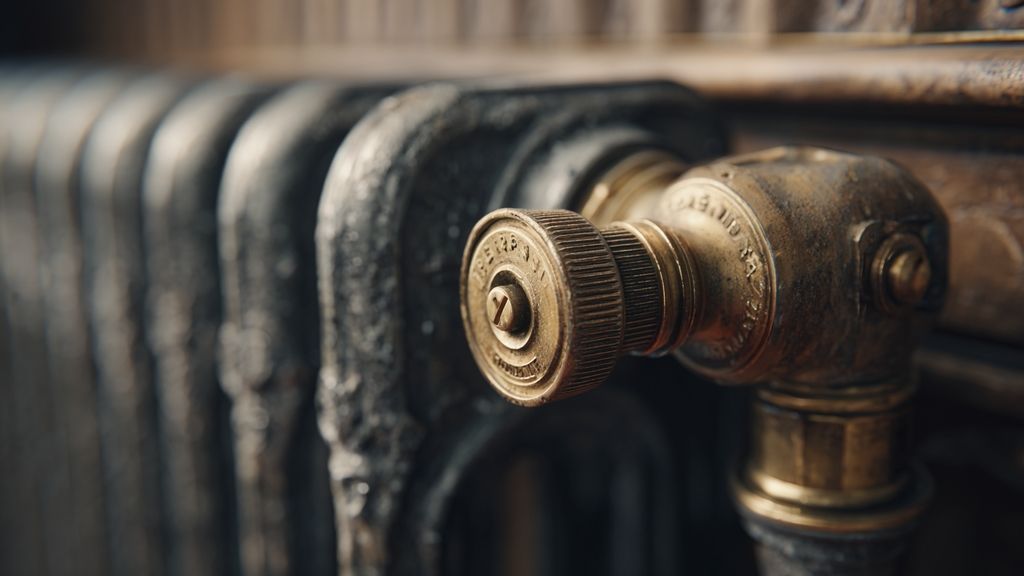
The vast majority of hot water radiators accept the installation of modern thermostatic valves. Some older or specific models, such as vintage cast iron radiators or tubular ones, may require adapters or adapted regulation to ensure compatibility and performance.
Regulation by thermostatic valves does not apply to electric radiators, which are not compatible with this type of device. Hot water radiators offer the possibility to adopt valve regulation to optimize thermal comfort and energy consumption.
Examples of compatible radiators
- Steel hot water radiators
- Aluminum hot water radiators
- Cast iron radiators with adapter
- Recent tubular radiators
- Hot water panel radiators
Can a thermostatic valve be installed on all radiators without exception?
It is recommended not to equip all radiators with thermostatic valves to avoid conflicts in automatic regulation, especially in the room where the room thermostat is located or near the boiler. One radiator should remain without head regulation to ensure safety and prevent system overpressure.
Manual regulation remains useful on the main radiator of the circuit, usually located near the boiler. This choice ensures a constant circulation of water and avoids any risk of overheating related to valve regulation.
🌍 Did you know?
The thermostatic valve is not an “all or nothing” switch. It contains a wax or gas bulb that expands according to the room’s heat to push a pin and gradually reduce the flow of hot water, in a completely mechanical way and without electricity.
Precautions to take during installation
- Do not cover the sensor
- Leave one radiator without a thermostatic valve
- Avoid obstacles in front of the thermostatic head
- Check compatibility with the heating system
For more details, I recommend consulting my guide to learn how to replace a self-piercing valve if you are working on your network. If your installation is old, the Parkside clearance can help you find a suitable adjustable wrench. And to go further, checking if you suddenly have no more hot water overnight after your manipulations can prevent many problems.
What types of regulation are offered by thermostatic valves?
Thermostatic valves come in different models to meet various needs in electronic regulation, connected regulation, or programmable regulation. Classic versions operate with a wax or liquid capsule that expands or contracts according to the ambient temperature, while electronic or connected models offer more precise and customizable settings.
Smart regulation allows remote control of the temperature in each room, programming time slots, or adapting heating to the occupancy of the home. This technology optimizes regulation by smart thermostatic valves to achieve energy savings and maintain stable comfort.
How to choose the ideal temperature per room with regulation by thermostatic valves?
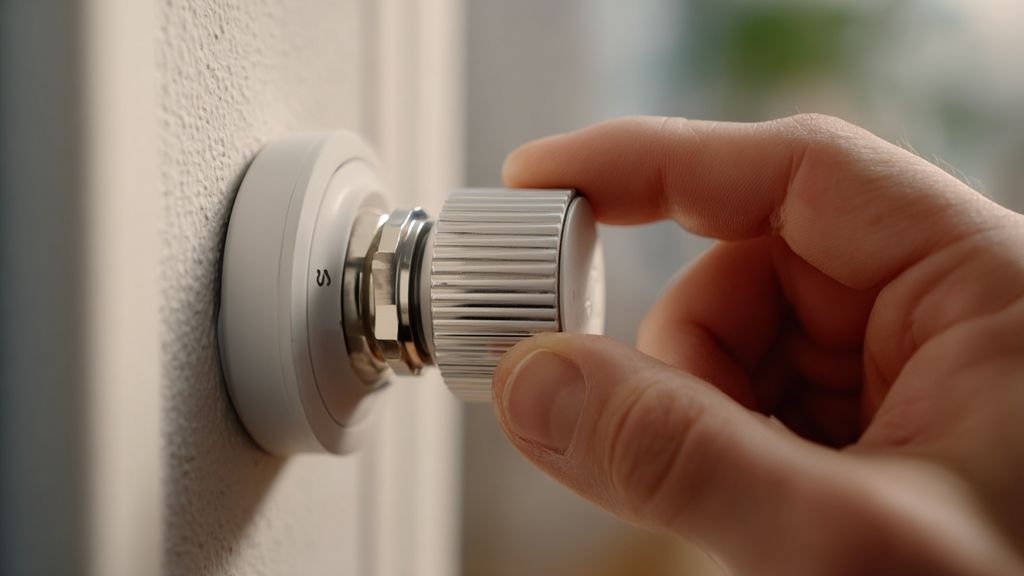
Regulation by thermostatic heads allows adjusting the temperature room by room according to use. General recommendations are based on comfort needs and energy savings, with precise settings for each area of the home.
Regulation by programmable thermostatic valves offers the possibility to lower the temperature at night or during absences, while maintaining an appropriate level of heat for living rooms or bedrooms. Regular system checks ensure reliable and durable mechanical regulation.
Recommended Temperatures by Room
- Infrequently used bedrooms: 15 to 16 °C
- Living rooms: 20 to 21 °C
- Bathroom: 22 °C
- Office: 19 to 20 °C
- Entrance or hallway: 17 to 18 °C
What are the essential steps to safely install thermostatic valves?
💡 Practical tip
In summer, remember to open all your thermostatic valves fully (position 5). This prevents the internal pin from seizing in the closed position due to limescale during the long months when your heating is inactive.
Installing thermostatic valves requires following certain key steps to ensure an effective and risk-free remote thermostatic valve regulation. It is necessary to turn off the heating, bleed the radiators, and check the tightness of the fittings when mounting the new thermostatic heads.
Capillary thermostatic valve regulation or sensor thermostatic valve regulation must be carried out carefully, especially in damp rooms where moisture can cause failures. The intervention of a certified RGE professional guarantees a compliant and safe installation.
In some Parisian buildings, the installation of thermostatic valves on radiators has helped reduce the collective heating bill by nearly 10% in a single season of automatic regulation.
⚠️ Common mistake
A common mistake is to hide a thermostatic valve behind a thick curtain or radiator cover. Heat stagnates around the sensor, which then prematurely closes the radiator while the rest of the room is still cold.
How to know if thermostatic valve regulation is suitable for your installation?
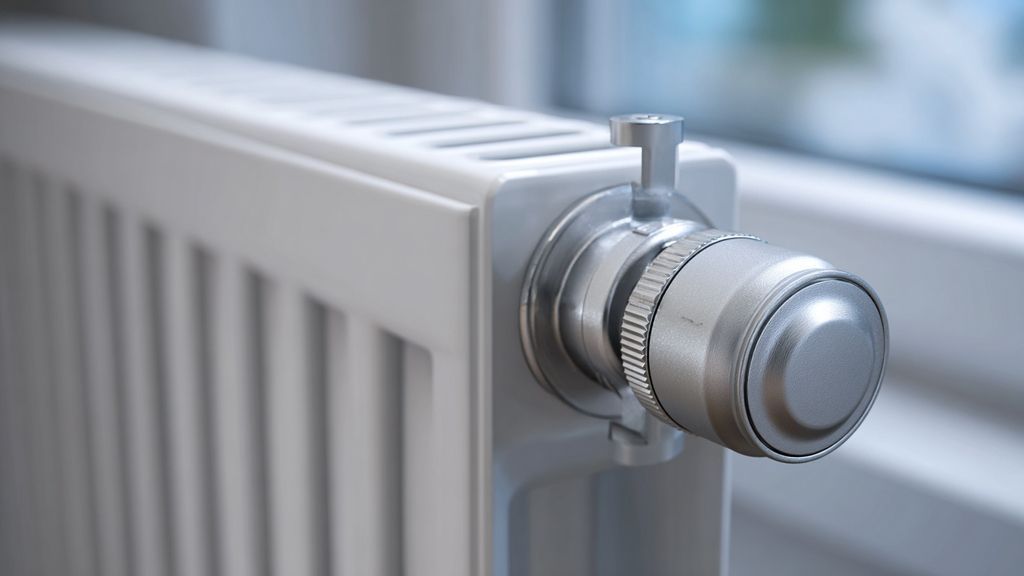
The compatibility of thermostatic valves depends on the type of heating network and the model of radiators present. A recent installation with standard pipes generally accepts thermostatic valve regulation without modification. For older networks, checking the pressure and fitting diameter ensures optimal adaptation and efficient regulation.
A quick diagnosis of the heating circuit helps identify any technical constraints. Radiators equipped with standard valves can often receive a thermostatic head after replacing the valve body. This replacement improves regulation by thermostatic heads and the distribution of heat in each room.
Collective heating systems sometimes require the agreement of the building management to install thermostatic valves. This process ensures harmonized regulation throughout the building and avoids hydraulic imbalances. A professional can advise on the most suitable thermostatic valve regulation for each situation.
Pressure and Flow Check
Mechanical regulation works properly if the water pressure and flow are appropriate. Insufficient flow or too high pressure can limit the effectiveness of thermostatic valves. A preliminary check before any intervention optimizes valve regulation and avoids unpleasant surprises after installation.
Evolution of heating standards
New regulations encourage programmable regulation and the installation of efficient thermostatic valves. These technical developments promote consumption reduction thanks to regulation by electronic or connected thermostatic valves. Following these recommendations allows adapting the home to current requirements and anticipating future needs.
- Check the pipe diameter
- Verify valve body compatibility
- Consult the radiator manual
- Seek the advice of a heating technician
- Inquire about local standards
What advantages does regulation by connected thermostatic valves offer ?
The installation of connected thermostatic valves provides centralized heating management from a smartphone or tablet. This connected regulation allows adjusting the temperature remotely, anticipating returns home, and monitoring consumption in real time. Intelligent control optimizes comfort and energy savings.
Regulation by connected thermostatic valves offers personalized scenarios based on lifestyle habits. It becomes possible to program temperature reductions during absences or increase heating before waking up. This flexibility improves energy management and system responsiveness.
Advanced features of connected thermostatic valves include alerts in case of malfunction or abnormal temperature. These notifications facilitate maintenance and monitoring of the radiator network, reducing the risk of breakdowns and ensuring reliable automatic regulation.
Compatibility with voice assistants
Connected thermostatic valves are often compatible with the main voice assistants on the market. This integration allows controlling the regulation via simple voice commands, offering modern and accessible user comfort for everyone.
Consumption data analysis
Connected regulation provides detailed reports on heating usage. These analyses help identify sources of waste and adjust programming for maximum efficiency. Access to this data promotes a proactive approach to energy optimization.
- Remote programming via app
- Alerts in case of unusual variation
- Personalized scenarios for each room
- Home automation integration
- Real-time consumption monitoring
How to improve thermal comfort with regulation by thermostatic valves ?
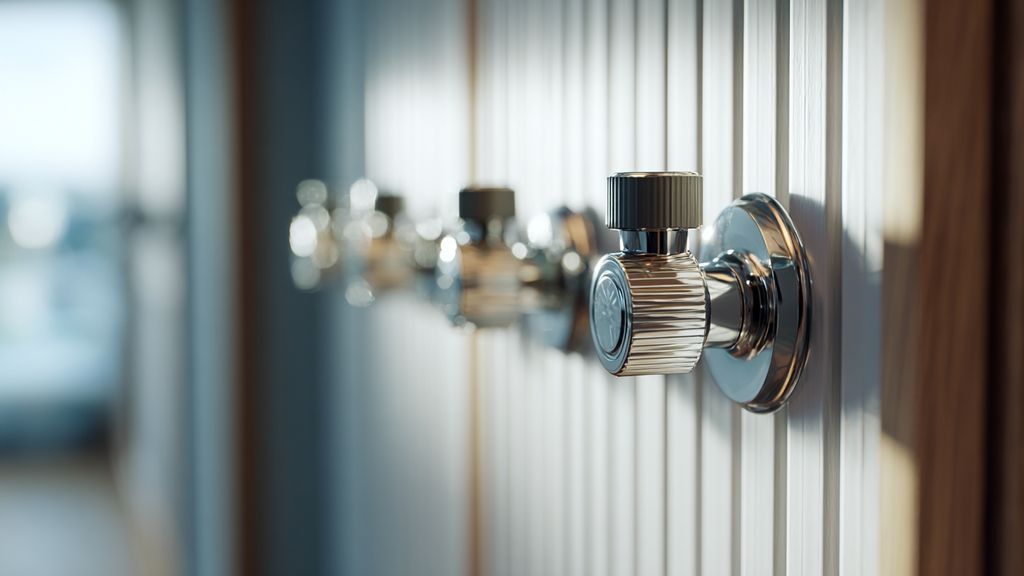
Thermostatic valve regulation allows the temperature to be adapted to the actual use of each space. Less frequented rooms benefit from a lower setting, while living areas maintain a constant warmth. This fine heating management improves overall comfort and avoids temperature fluctuations.
Thermostatic valve regulation with thermostat guarantees appreciable thermal stability. Temperature variations are limited, which reduces feelings of cold or overheating. The system automatically reacts to changes in occupancy or sunlight, maintaining a pleasant living environment.
The addition of thermostatic valves on radiators optimizes the circulation of hot water in the network. Priority areas receive the necessary heat without overconsumption. This thermostatic valve head regulation contributes to sustainable thermal balance and reduced heating costs.
Reduction of noise disturbances
A well-executed thermostatic valve regulation limits water circulation noises in radiators. The gradual adjustment avoids water hammer and ensures silent heating operation.
Adaptation to seasonal needs
Programmable thermostatic valve regulation easily adjusts during seasonal changes. It becomes simple to modulate temperatures according to the weather or occupancy of the dwelling, without complex intervention on the system.
- Individualized adjustment by room
- Increased responsiveness to temperature variations
- Less energy waste
What criteria to choose the best thermostatic valve regulation ?
The selection of a thermostatic valve regulation system is based on the analysis of the dwelling’s configuration and comfort expectations. Mechanical models are suitable for simple and robust management, while electronic or connected versions offer advanced settings and tailor-made regulation.
Compatibility with the radiator network and the presence of a room thermostat influence the choice of thermostatic valve regulation. A programmable or smart model easily integrates into an energy renovation project, with the possibility of evolving towards a complete home automation solution.
Budget, ease of installation, and manufacturer warranty are also criteria to consider. A well-chosen thermostatic valve regulation improves heating performance and enhances the dwelling’s value in the long term.
Mastering comfort requires precise regulation adapted to each need.
Practical FAQ on thermostatic valves and heating management
Can you install thermostatic valves yourself or should you call a professional?
Installing thermostatic valves remains accessible to a skilled DIYer, especially if the installation does not require a complete draining of the circuit. However, in case of doubt about compatibility or assembly, consulting a heating engineer helps avoid mistakes and ensures system reliability.
What to do if a radiator remains cold after installing a thermostatic valve?
A radiator that no longer heats properly after installing a valve may indicate an air purge issue, an assembly error, or insufficient water pressure. Check for air presence in the radiator and the proper functioning of the valve. If the problem persists, a professional inspection is necessary to ensure heating performance.