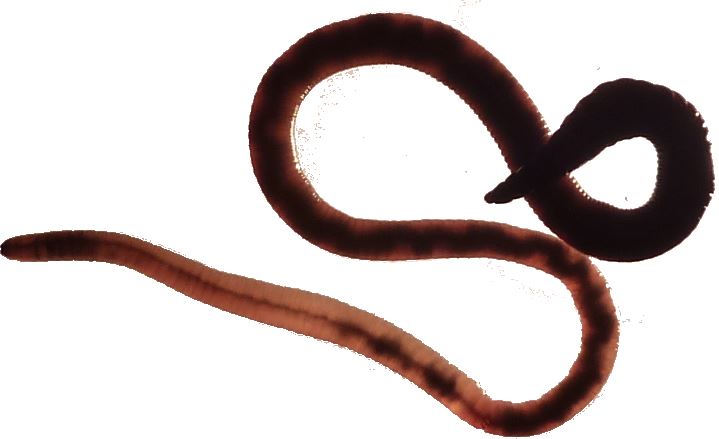
Discovering worms in the toilet instantly causes a feeling of disgust and concern for the hygiene of your home. This phenomenon often indicates the presence of a stubborn biofilm or a dried-out siphon, turning your pipes into an ideal pantry for opportunistic larvae. This comprehensive guide helps you identify these slimy intruders and offers effective natural solutions for lasting sanitation.
- Understanding the sudden appearance of worms in your toilet
- Identifying common specimens for an accurate diagnosis
- Effectively eliminating larvae and sanitizing the pipes
- Anticipating the return of pests and securing the installation
🗣️ My experience: I faced this problem in an apartment left empty for three weeks in the middle of summer. The price to pay for neglect was an invasion of tiny black worms lodged under the rim of the toilet bowl. The lesson learned is that simple scrubbing is not enough: the organic source must be treated to break their reproduction cycle.
Understanding the sudden appearance of worms in your toilet
After the visual surprise, one must ask what really attracts these critters to a place supposed to be clean.
The irresistible attraction of organic matter and moisture
The walls of the pipes accumulate a slimy biofilm made of tartar and residues. These organic sediments serve as an ideal pantry. Insects lay eggs there because their larvae find immediate food.
Stagnant moisture acts like a magnet for many species. Heat accelerates the metabolism of the eggs. Larval development becomes rapid within a few days.
- Biofilm rich in nutrients
- Temperature above 20 degrees
- Stagnant water not renewed
In fact, the appearance of worms in the toilet results from a balanced micro-ecosystem for reproduction.
The trap of dry siphons during prolonged absence
The siphon contains a water trap blocking insects. Without use, this water evaporates. The physical barrier eventually disappears, leaving the passage open.
Pests come directly up from the sewers. They colonize the bowl without any resistance, especially in secondary residences.
An evaporated water trap turns your pipes into an open highway for all underground insects seeking new territories.
Identify common specimens for an accurate diagnosis
To act effectively, you must know exactly what type of intruder you are dealing with, because not all require the same treatment.
Fly Larvae and Moisture Worms: The Frequent Culprits
The drain fly, or Psychodidae, is the most common source of dark larvae. These small worms crawl on damp ceramic. They feed exclusively on organic gelatin.
Sometimes finer, reddish mud worms are found. These are often mosquito or chironomid larvae.
Their life cycle is very short in humid environments. One laying can release hundreds of individuals. They transform into flying insects in less than two weeks.
Observe the shape of the specimens carefully. Their color and mobility provide valuable clues.
To deepen the maintenance of your sanitary facilities, I recommend using hydrochloric acid for toilets which allows for radical cleaning. The article on how to unclog a sink also provides useful tips for your pipes. And to go further, discovering the meaning of maggots offers interesting insight into these pests.
Distinguish Domestic Pests from Intestinal Parasites
| Criterion | Fly Larva | Intestinal Parasite (e.g., pinworm) |
|---|---|---|
| Visual Appearance | Gray or brown | Translucent white |
| Mobility | Crawls slowly | Wriggles actively |
| Origin | Pipe and siphon | Human body |
| Health Risk | None (nuisance) | Medical emergency |
Environmental larvae present no direct danger to your health. They are simply a sign of dirty pipes. Intestinal parasites, however, require urgent medical treatment.
If you experience itching or digestive troubles, consult a doctor. Do not confuse a plumbing problem with a medical condition.
🌍 Did you know?
A single drain fly can lay up to 200 eggs at once, and the complete cycle from egg to adult takes only 7 to 20 days depending on ambient temperature.
Effectively Eliminate Larvae and Sanitize Pipes
🍀 Good points
- Low-cost natural methods
- Possible sustainable prevention
- No risk for septic tanks
🔻 Limitations
- Requires multiple applications
- Sometimes persistent odors
Once the enemy is identified, it is time to take action to clean thoroughly and eliminate the nests.
Natural and ecological solutions to disinfect the toilet bowl
The mixture of baking soda and white vinegar creates an effervescent reaction. This foam lifts organic residues from the walls. Then pour boiling water to rinse everything.
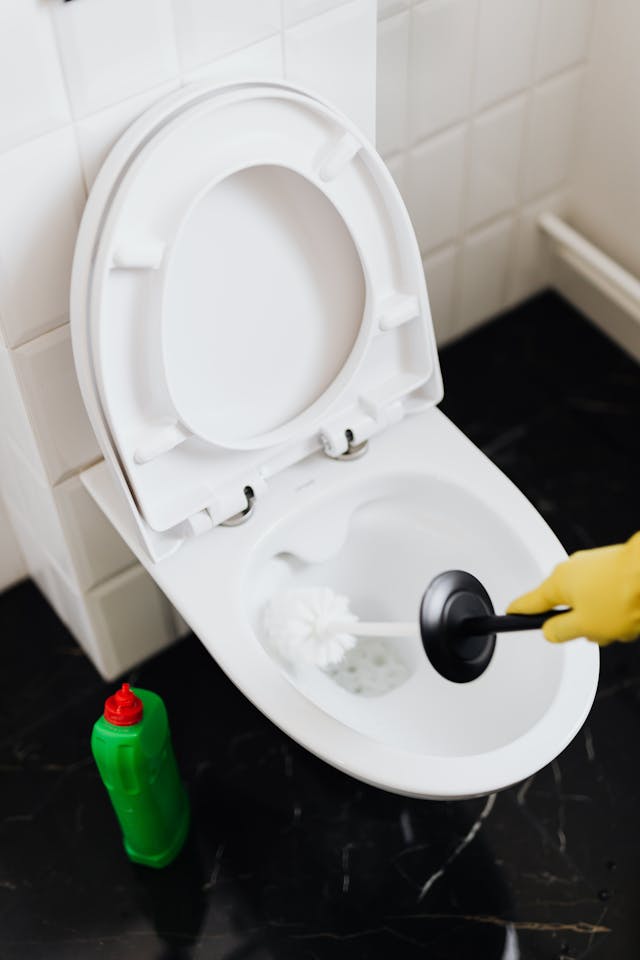
Mix baking soda and vinegar to lift organic residues, then rinse with boiling water.
Liquid black soap helps to drown the larvae by altering the water’s surface tension. It is a radical yet gentle method.
- Tea tree essential oils for disinfecting
- Peppermint oil as a repellent
- Apple cider vinegar to trap adults
These products respect your PVC pipes without polluting local groundwater.
⚠️ Common misconception
Many think that repeatedly flushing the toilet will drown the worms. This is false: these larvae have hydrophobic hairs that trap air bubbles, allowing them to survive total immersion.
Mechanical treatments and maintenance of clogged traps
Scrubbing with a brush is necessary to break the biofilm. Products alone are not enough against old layers. Focus under the rim of the bowl where eggs hide.
Inspect the toilet tank. Larvae can develop there if water stagnates too long.
Enzymatic solutions are preferable to chemical drain cleaners. They digest organic matter without destroying the septic tank flora.
Regular mechanical cleaning remains the best weapon to prevent the formation of new colonies.
💡 Practical advice
Pour 500 ml of boiling water into your pipes once a week. This simple habit destroys the nascent biofilm before insects have time to lay eggs there.
Anticipate the return of pests and secure the installation
Cleaning is a temporary victory if you do not fix the structural flaws of your installation.
Sealing Check and Condition of the Septic Tank
Check the condition of the seals at the base of the toilet. An invisible crack allows crawling insects to pass through. A newly redone silicone seal guarantees a completely airtight barrier.
A saturated septic tank pushes back gases and pests into the house. Regular maintenance prevents these unpleasant backflows. Watch for suspicious odors in your bathroom.
To test the seal, use a dye in the flush. Observe if any leaks appear.
Dry seals crack over time. Replace them at the first obvious signs of wear.
Maintenance Rituals for Dry Toilets and Ecological Systems
Waterless systems require strict management of the carbon to nitrogen ratio. Add enough sawdust to dry out the materials. This prevents flies from finding a moist place to lay eggs. Always cover the bucket well after use.
If larvae persist despite your efforts, a professional must intervene. A plumber will check the vent of your network.
A perfect balance between dry materials and moisture is the only natural barrier against the invasion of fungus gnats.
Prevention is a daily task. Be vigilant to the slightest changes in your installation.
Eliminate the nourishing biofilm, restore the seal of traps, and adopt regular mechanical cleaning to permanently banish any intruder. These simple actions transform your pipes into a sanctuary of cleanliness, freeing your mind from the appearance of worms in the toilet. Finally regain the serenity of a healthy and impeccably maintained home.
FAQ
Why do small worms suddenly appear in the toilet bowl?
The appearance of these intruders is often a sign of a feast invisible to our eyes: the biofilm. The walls of your pipes naturally accumulate organic residues and limescale that form a gelatinous layer. It is in this ideal pantry that insects, like the fungus gnat, choose to lay their eggs, because the constant moisture and ambient warmth provide a perfect cradle for rapid larval development.
How can I tell if they are fly larvae or intestinal parasites?
Visual observation is your best ally to clear up the doubt. Drain fly larvae are generally dark, grayish or brownish, and crawl on the wet ceramic. In contrast, intestinal parasites like pinworms are white, translucent, and tend to wiggle. If the former indicate a simple need to clean the pipes, the latter involve a medical issue requiring prompt consultation.
Is there a natural solution to eradicate these larvae without chemicals?
Absolutely, and nature does it well! An effervescent mixture made of 200g of baking soda, 20cl of white vinegar, and a pinch of salt helps to loosen organic residues where nests hide. After letting this active foam act for about thirty minutes, a rinse with boiling water is often enough to sanitize the situation while respecting the integrity of your PVC pipes.
Why do the worms come back after a long absence from the house?
This is the mystery of the dry trap coming into play. Normally, the water seal in your toilet acts as a sentinel blocking the passage of pests. During a prolonged absence, this water evaporates, turning your pipes into a real highway for insects coming up from the sewers or the septic tank. Without this physical barrier, they freely colonize the bowl.
How to sustainably prevent the return of these pests in my pipes?
Prevention relies on rigorous hygiene and technical maintenance. Regular mechanical brushing with a bottle brush, especially under the rim of the bowl, breaks the biofilm before it becomes a nest. At the same time, check the tightness of your silicone seals at the base of the toilet; a simple crack can become a secret entry point for crawling insects seeking new territories.