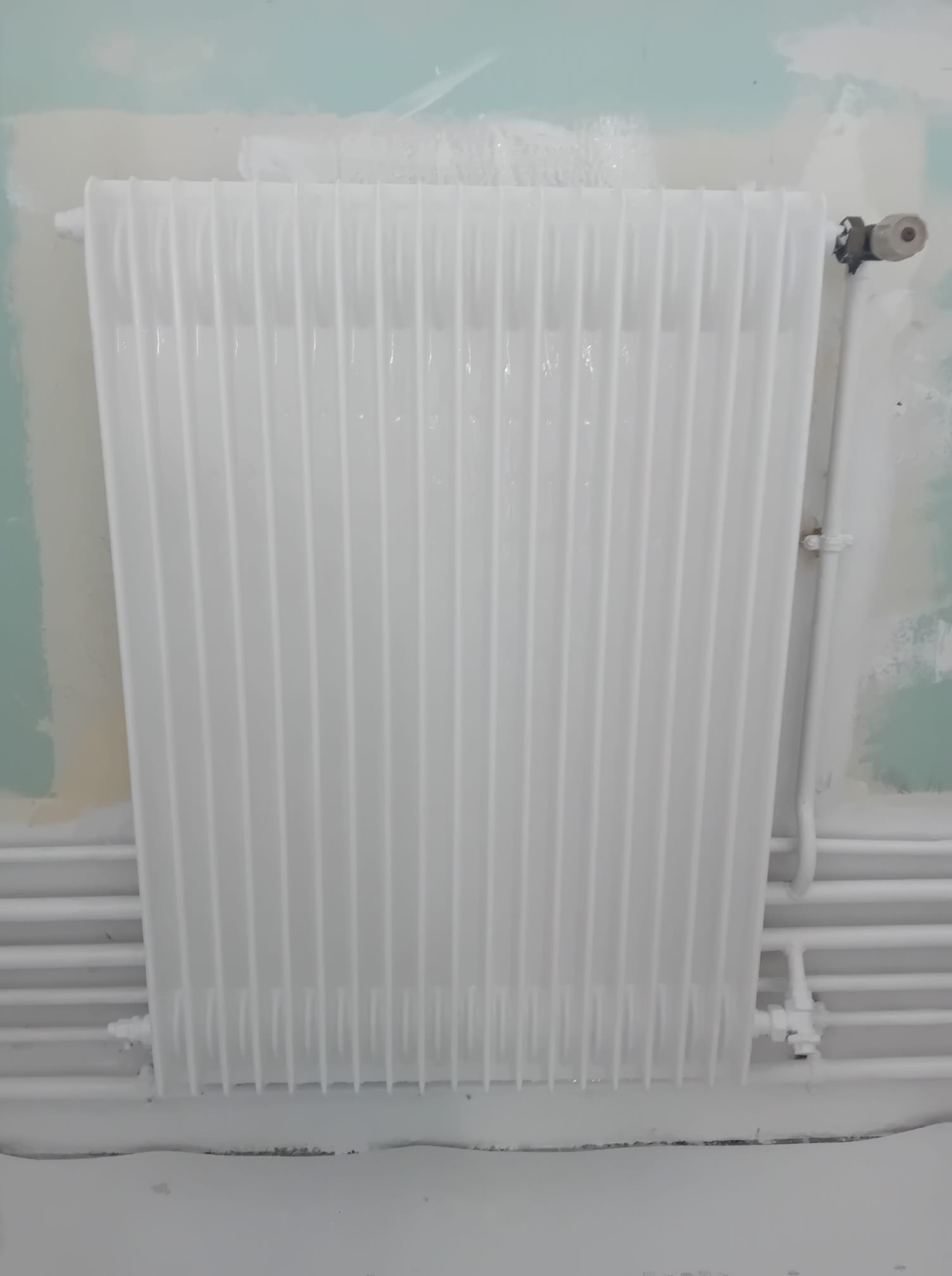
Painting PVC pipes may seem like an intimidating task. However, with the right techniques and appropriate tools, you will achieve a flawless result. Whether to harmonize your outdoor or indoor installations with the rest of your decor, painting on PVC allows these often visible elements to blend into the overall aesthetic.
Essential preparation: cleaning and sanding the PVC
The crucial first step to successfully painting PVC pipes is to properly prepare the surface. This starts with thorough cleaning. It is essential to remove all traces of grease, dust, or residue that could impair paint adhesion. Use a cloth soaked in soapy water then rinse thoroughly.
After cleaning, sanding is an essential step. Lightly sanding the PVC surface with fine sandpaper creates a slightly rough texture. This technique facilitates the adhesion of the primer and paint. Be careful not to press too hard while sanding to avoid deeply scratching the material.
Applying the primer and choosing the undercoat
| Step | Objective | Importance |
|---|---|---|
| Degreasing | Remove greasy film from PVC | ★★★★★ |
| Light sanding | Promote adhesion | ★★★★ |
| PVC undercoat | Optimal grip | ★★★★★ |
| Finishing paint | Aesthetics & protection | ★★★★ |
Using a primer is essential before applying the finishing paint. A specific PVC primer will significantly improve paint adhesion and ensure a durable finish. Apply the primer in thin, even coats, always respecting the drying time recommended by the manufacturer.
Choosing a good undercoat is just as important. It must be compatible with the PVC and the type of paint you will use. This choice will also determine the longevity and resistance of your paint, especially against UV rays if it is intended for outdoor use.
Weather protection for outdoor pipes
For PVC pipes located outdoors, you need to choose a paint offering excellent UV protection. Paints specifically designed for outdoor use contain additives that prevent fading and cracking caused by the sun. Also ensure that your paint resists temperature variations.
Besides exterior paint, preparation often includes applying water-repellent products to provide a double barrier against natural elements. This not only adds a layer of protection but also extends the lifespan of the applied paint.
The different types of paint for PVC
Once your surface is ready, it’s time to choose your paint. Although several options are available, not all are suitable for PVC. Some of the best options include acrylic paint and spray paint.
Acrylic paint is commonly used because it easily adapts to plastic surfaces. Easy to apply with a brush or roller, it offers good value for money. Spray paint, on the other hand, ensures even coverage, especially for hard-to-reach areas, such as pipe corners.
Advantages of spray paint
Spray paint has various advantages. It allows for quick and clean work. The sprayer ensures a uniform distribution of paint, ideal for curved or complex surfaces like PVC pipes. Moreover, it dries quickly, thus reducing the time between each coat.
However, its use requires certain precautions: protect surrounding surfaces with tarps and wear a mask to avoid inhaling paint particles. Application in a well-ventilated area is strongly recommended to limit risks related to fumes.
Application techniques and finishes
When applying paint, use long and steady strokes to achieve a smooth finish without streaks. For small sections or complex joints, do not hesitate to opt for a fine brush or a suitable roller. The goal is to ensure complete coverage without thick layers that could peel.
After applying the paint, let it dry according to the recommendations. Often, two coats are necessary for an optimal finish. Between each coat, check that the surface is completely dry and gently apply the next one to ensure perfect adhesion.
Tips for a professional finish
To guarantee a professional-looking result, pay attention to details. Avoid drips by properly loading your tool (brush, roller, or spray). If drips appear, correct them immediately with a soft cloth.
Remember to respect the ideal weather conditions: a temperature neither too cold nor too hot, and above all keep surfaces sheltered from the wind during application to prevent dust from sticking.
To succeed in your interior renovations, discover how to work plexiglass cleanly: explore the basics for effectively sanding your surfaces: and learn to use resin paint for durable finishes.
FAQs about painting PVC pipes
Start by cleaning the pipe with soapy water to remove any dirt. Then, lightly sand the surface with fine sandpaper to promote adhesion of the primer and paint. Finally, apply a specific PVC primer to ensure a solid base.
No, not all paints are suitable for PVC. Prefer paints specially formulated for plastic, such as acrylic paints and spray paints. These products offer better compatibility and ensure optimal durability.
Use an exterior paint resistant to UV rays to protect the coating from weather elements. Also apply a water-repellent treatment before painting to enhance protection. Finally, ensure regular maintenance by gently cleaning without abrasive products.
To paint a PVC pipe effectively, equip yourself with sandpaper, a PVC primer, acrylic or spray paint, as well as brushes and/or a sprayer. A protective tarp is also recommended to cover adjacent surfaces.