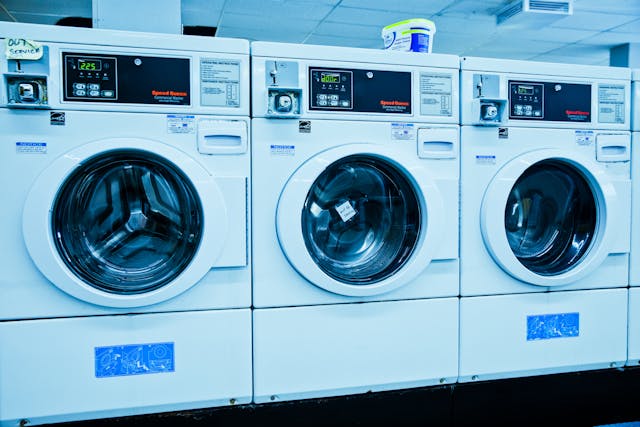
Does your peace evaporate as soon as your washing machine sounds like a jackhammer during the spin cycle? This deafening racket, often caused by tired shock absorbers or a detached counterweight, turns your laundry room into a real demolition site. This guide presents precise diagnostics to identify these mechanical failures and reveals how to restore Olympic silence with proven technical solutions.
- Why does your washing machine imitate a jackhammer?
- Mechanical failures hidden behind the knocking sounds
- Intruding objects and chronic drum instability
- Strategies for lasting silence and limits of solo troubleshooting
🗣️ My experience: In 2024, my machine started moving on its own in the laundry room during each cycle at 1200 RPM. I thought the drum was broken when it was simply a sock stuck in the drain filter. The lesson? Before panicking, always check the simple things: the filter, forgotten transport brackets, and floor stability.
Why does your washing machine imitate a jackhammer?
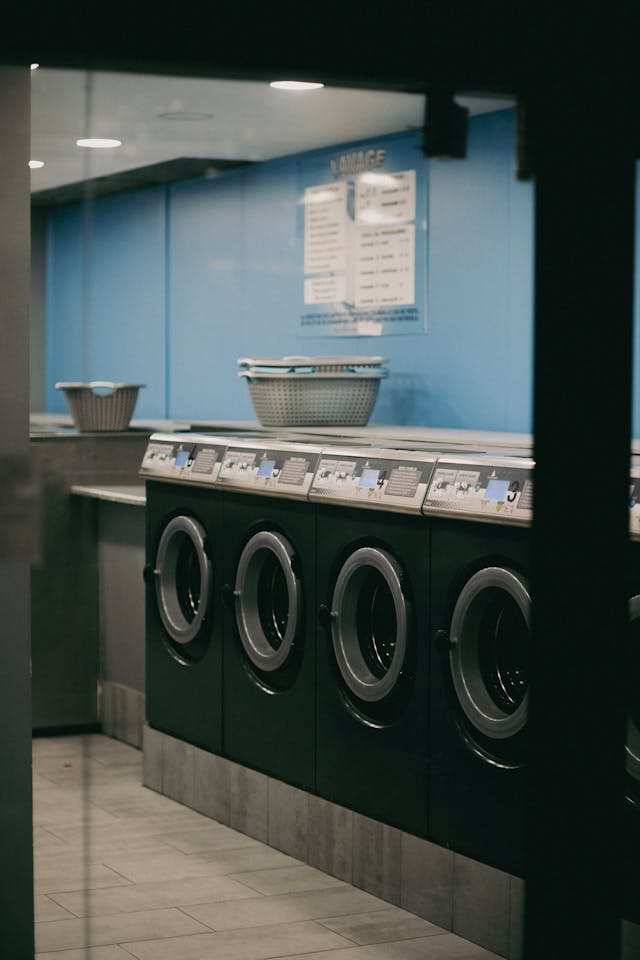
There is nothing more annoying than hearing your home turned into a construction zone by a simple laundry cycle. Yet, this sudden racket often hides a precise mechanical logic that should be deciphered.
Distinguishing airborne noises from contact noises
Airborne noises come from the motor or the pump. These are smooth sounds. They do not make the walls shake.
The drum bangs violently during contact noises. Vibrations spread through the floor. The entire room then seems to shake under the effect of repeated impacts.
A jackhammer noise is rarely a simple whistle; it is a shockwave that travels through your appliance’s body.
It is imperative to unplug the machine from the electrical outlet before any intervention to avoid any risk of electric shock.
Locate the origin of the impact during spinning
Observe the tub during acceleration. The movements become erratic. The drum seems to want to escape its metal housing.
Does the noise intensify with heavy sheets? The knocks against the side walls indicate a major imbalance.
- Dull knocks against the frame
- Visible movement of the appliance
- Cyclic noise that speeds up with the revolutions per minute
If the washing machine hammering noise persists, inspect the counterweights. These stabilizing blocks can crack, causing deafening hammering as the speed increases.
Mechanical failures hidden behind the knocking noises

Once the type of noise is identified, you need to lift the lid to inspect the vital components that ensure rotation.
Bearings: Airplane takeoff noise. Counterweights: Heavy knocks at high speed. Pulley: Clicking or dry knocks. Belt: Whistling or knocking against the drum.
Diagnosing the condition of bearings and bushings
This whistling reminiscent of a jet engine often indicates seized bearings. Turn the drum manually with the machine off. A dull growl usually confirms significant wear of the steel balls.
Then inspect the back of the drum. Rust streaks indicate a fatal seal leak.
Check the axial play. The drum must never wobble.
Testing the shock absorbers’ resistance by oscillation
Press firmly on the drum. It should rise back without bouncing. An excessive spring effect indicates completely worn-out shock absorbers that no longer stabilize anything.
Carefully examine the suspension rods. Look for traces of oil or grease. Broken mounts cause dry knocking noises.
Check the upper springs. They maintain the overall balance.
Inspecting the pulley and belt tension
Check the tightening of the large central nut. A loose pulley always knocks with each direction change. It’s a simple fault, but particularly noisy.
Examine the condition of the rubber. A frayed belt can whip violently against the inner walls, mimicking a washing machine hammering noise.
Align the motor shaft. A slight misalignment causes annoying parasitic vibrations.
Intrusive objects and chronic drum instability
Sometimes, the mechanics are sound, but a simple intruder or a poor adjustment turns the appliance into a construction machine.
Free the drain filter and the tub from foreign objects
Open the drain hatch. Coins love to lodge there. They create an unbearable metallic racket during drainage.
Inspect the space between the drum and the tub. A bra wire can get stuck there. It scratches the metal with every turn. Remove the heating element to access this dark area.
Disassemble the heating element to create a direct access point and retrieve stuck objects such as lingerie wires or coins.
A simple forgotten paperclip can generate a machine gun noise at 1200 revolutions per minute.
To go deeper, I recommend consulting my guide on the weight of washing machines which complements this topic well. Knowing how to install a machine without a water supply also provides useful insights for your setups. And to go further, my opinion on the Murfy service offers interesting perspectives for your repairs.
Adjust the level and load distribution
Adjust the adjustable feet precisely. The appliance must absolutely not wobble. Use a spirit level to confirm perfect horizontality.
⚠️ Warning
Overloading the drum thinking to save time. An overfilled machine creates a significant unbalance (load imbalance) that strains the bearings and can cause the drum to bang against the walls, creating a deafening racket.
Understand the unbalance phenomenon. Washing a single heavy towel unbalances the weight. The drum then violently bangs against the walls, mimicking a jackhammer washing machine noise.
| Possible cause | Visual symptom | Corrective action |
|---|---|---|
| Poorly adjusted feet | Wobbly appliance | Screw/unscrew the feet |
| Uneven load | Drum banging | Distribute heavy laundry |
| Slippery floor | Lateral movement | Install a non-slip mat |
| Overloaded machine | Extreme vibrations | Remove some clothes |
Strategies for lasting silence and limits of solo troubleshooting
🍀 Advantages
- Immediate acoustic comfort
- Protection of bearings
- Preserved neighborhood
🔻 Limits
- Sometimes unsightly accessories
- Requires handling
To prevent the noise from returning, some good habits and a clear analysis of costs are necessary.
Adopt Acoustic Insulation Accessories
Install non-slip pads under the feet. A thick anti-vibration mat also absorbs shock waves. This protects your neighbors and your tiles.
🌍 Did you know?
The energy label now mandatorily displays the noise level in decibels for the spin cycle. A difference of only 3 dB between two models means that one is twice as loud as the other to the human ear.
Systematically use laundry nets. They hold rigid items and clips. Always respect the weight limits indicated by the manufacturer.
- Recycled rubber mats
- Silicone pads
- Zipped protective nets
💡 Practical tip
Check the levelness of your appliance with a spirit level. If the machine is not perfectly straight, the shock absorbers wear unevenly, which exponentially increases noise over the months.
Assess the Profitability of a Complex Repair
Identify modern thermowelded tubs. On these models, changing a bearing is almost impossible. You then have to replace the entire washer block.
On recent machines equipped with thermowelded tubs, bearings cannot be replaced alone. Complete block replacement often exceeds the value of the appliance.
Compare the price of parts with the age. If the machine is ten years old, think carefully. A professional intervention can exceed the residual value.
Accept your own technical limits. A poorly reassembled tub often causes water damage.
Identify the source of shocks, from worn bearings to tired shock absorbers, to silence this noise. Inspect your filters and stabilize the appliance now to preserve its mechanics. Act quickly to transform your jackhammer-sounding washing machine into a newly silent and efficient ally.
FAQ
Why does my washing machine make a jackhammer noise during spinning?
This deafening noise, reminiscent of a construction machine, often originates from a major load imbalance, called the unbalance phenomenon. When the laundry clumps on one side of the drum, the centrifugal force throws the tub against the body walls, creating cyclic shocks of unprecedented violence.
Another common cause lies in the pronounced wear of the shock absorbers or the loosening of the concrete counterweights. If these stabilizing elements no longer play their role, the appliance loses its anchorage and resonates, turning each rotation into a striking shock wave that shakes your entire interior.
What are the signs that my washing machine bearings are worn out?
The agony of the bearings, or bushings, first manifests as a shrill whistle, similar to the takeoff of a jet engine, which intensifies as the speed increases. At an advanced stage, this whistle turns into a dull, metallic growl, a sign that the steel balls are seized or rusted due to a seal leak.
To confirm this diagnosis, spin the drum manually with the machine off: if you feel rough resistance or notice abnormal play between the drum and the door seal, replacement is inevitable. Note that on some modern models with thermowelded tubs, this failure unfortunately requires changing the entire washing unit.
Can a foreign object cause violent metallic clanking?
Absolutely, and the intruder is sometimes smaller than you might imagine. A simple bra wire, a coin, or even a paperclip forgotten in a pocket can slip between the tub and the drum. At high speed, these objects strike the metal with the rapidity of a machine gun, generating an erratic and alarming hammering noise.
It is also wise to inspect the drain filter and the pump cavity. If debris is lodged there, the pump may strain and emit dry clanks during water evacuation. A regular cleaning of these areas often restores the original silence of your appliance without complex technical intervention.
How can I tell if my machine’s shock absorbers are completely worn out?
The test is simple and very revealing: apply firm, vertical pressure on the drum to push it down, then release it abruptly. If the drum bounces back with excessive spring effect or continues to bounce several times before stabilizing, your shock absorbers are definitely out of service and no longer dampen the tub’s movements.
Visually, traces of oil or grease along the suspension rods confirm an internal hydraulic leak. When these parts lose their absorption capacity, the tub is no longer supported and violently strikes the frame, causing those characteristic contact noises like a jackhammer in action.
Is it risky to repair a machine making abnormal noises by yourself?
Caution is advised, as the mechanics of a washing machine hide significant tensions and sensitive electrical components. Before any handling, it is imperative to unplug the appliance from the power supply to eliminate any risk of electrocution. While some operations like adjusting the feet or cleaning the filter are accessible, replacing the bearings or the tub requires advanced technical expertise.
An error when reassembling a tub can cause devastating water leaks or worsen the appliance’s imbalance. If the noise persists despite your usual checks, calling the manufacturer’s technical service or a professional repairer remains the wisest strategy to ensure the longevity of your equipment.