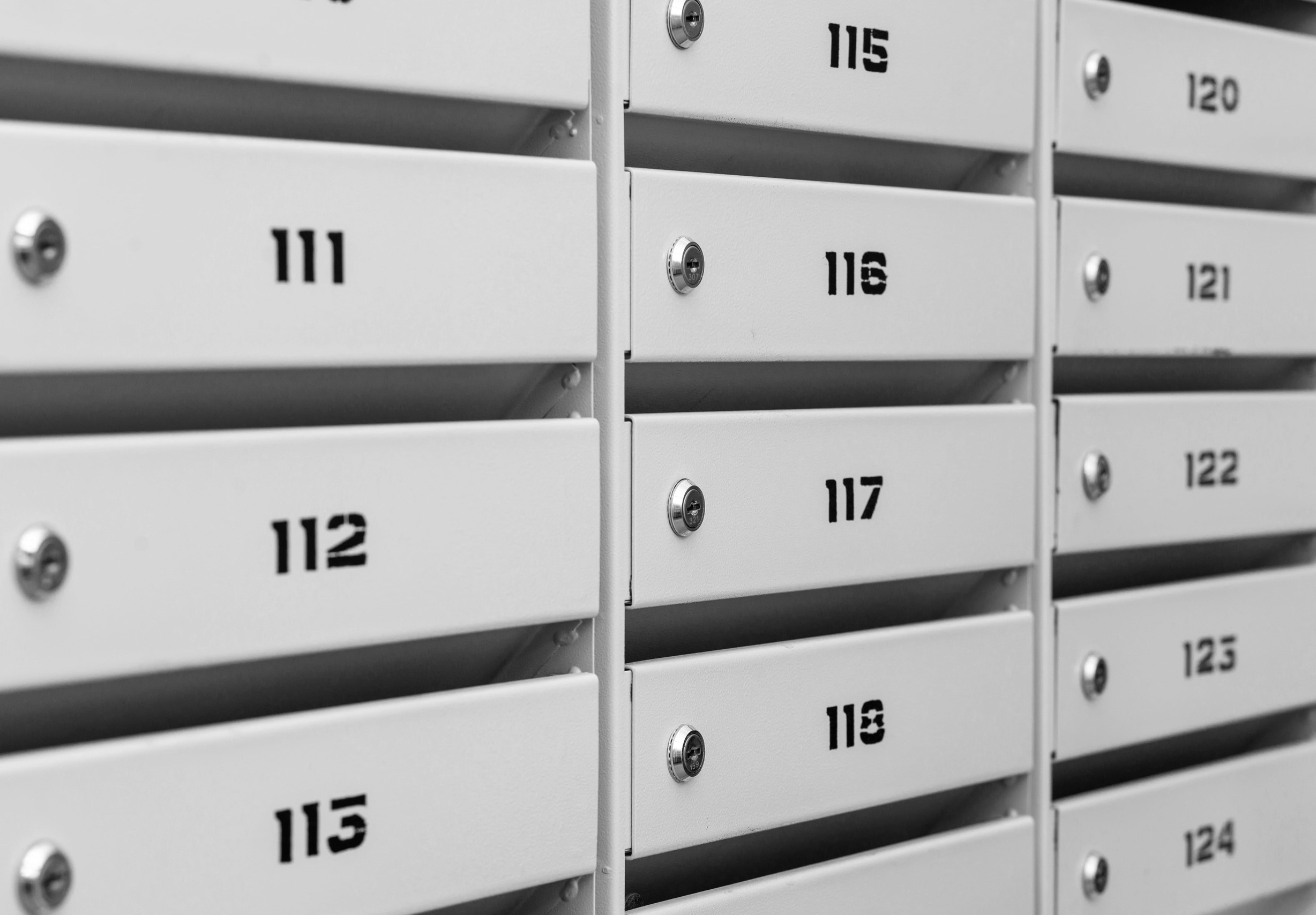
A mailbox block is not chosen at random, especially in a building where uses are multiple and sometimes restrictive. Between current standards, space constraints, and residents’ needs, several parameters come into play. A poorly adapted solution can quickly become a source of malfunctions or dissatisfaction. Conversely, a thoughtful choice facilitates daily mail management. It is therefore relevant to take specific criteria into account before making a decision.
📋 In brief: Personally, I recommend choosing a mailbox block starting first from the number of housing units, with at least 1 compartment per apartment and a margin if the building evolves. I also look at durability, compliance, the lock, and location before design. A good block avoids distribution errors, secures the mail, and gives a better first impression in common areas.
Understanding regulatory and technical constraints
Even before considering aesthetics or price, compliance with standards remains an essential starting point. In France, the dimensions of compartments, accessibility, and installation height are regulated to ensure efficient mail distribution. This is not just an administrative detail, as non-compliant equipment can lead to refusals of distribution by postal services. In most cases, these requirements apply to both new buildings and major renovations.
🗣️ My experience: In a small condominium of 12 units, I have already seen a block chosen solely for its price, around 350 euros, without checking the depth of the compartments or the quality of the locks. Result: refused parcels, stuck mail, and early replacement after 2 years. The lesson is simple: it is better to compare durability before price.
Other technical constraints must be anticipated, notably the location planned for installation. The available space directly influences the type of block possible, whether wall-mounted or freestanding. A space that is too narrow can limit options, while a spacious lobby offers more freedom. It is also useful to consider exposure to weather if the mailboxes are installed outdoors. Some materials resist moisture or temperature variations better than others, which can make a difference over time.
Adapting the block to the number of housing units
The sizing of the mailbox block logically depends on the number of housing units in the building. This relationship seems obvious, but it deserves particular attention. An undersized block can lead to a lack of compartments or improvised solutions that are impractical. Conversely, an oversized unit unnecessarily occupies space and can visually weigh down the whole. It is therefore preferable to anticipate precisely the current needs and, if possible, future developments.
| Number of housing units | Recommended format | Indicative budget | Point to check |
|---|---|---|---|
| 2 to 4 | Small wall-mounted block | 120 to 300 euros | Indoor or outdoor installation |
| 5 to 12 | Standard collective block | 300 to 800 euros | Individual locks |
| 13 to 24 | Modular block | 800 to 1,800 euros | Postal worker accessibility |
| 25 and more | Custom installation | 1,800 euros and up | Standards and maintenance |
In certain configurations, especially in developing condominiums, planning a few extra compartments can prove wise. This margin allows for absorbing possible transformations, such as the division of apartments or the addition of new units. However, it is important to remain measured so as not to unbalance the installation. The internal organization of the block also plays an important role, as a clear layout facilitates the identification of the boxes and limits distribution errors.
Choosing materials suited to the use
The choice of materials directly influences the durability and maintenance of the mailbox block. Galvanized steel, for example, is often favored for its corrosion resistance, while aluminum appeals due to its lightness and good longevity. Plastic, for its part, may be suitable in certain protected environments, but it has limitations in terms of robustness. It is not just an aesthetic choice, even though appearance remains important in a building lobby.

Daily use must also be taken into account, as the boxes are handled several times a day. Materials that are too fragile risk deteriorating quickly, especially in high-traffic buildings. Added to this is the issue of maintenance, often overlooked at the time of purchase. A material that is easy to clean and resistant to marks helps maintain a neat appearance longer. This criterion contributes to maintaining a good image of the building.
Taking security and accessibility into account
🌍 Did you know?
In a building with 20 apartments, an improperly sized block can quickly become a daily friction point: mixed mail, fragile locks, and premature replacement often cost more than a robust model from the start.
The security of mailboxes is an often underestimated issue, even though it directly concerns the confidentiality of mail. Locking systems must be reliable and suited to collective use. Quality locks limit the risks of break-ins or damage, which reassures residents. Some models offer reinforced devices, but their usefulness depends on the context of the building and its environment.
⚠️ Common mistake
Choosing only the cheapest model is a mistake. In a building, the mailbox block is used every day by residents and the mail carrier: a fragile lock or a compartment that is too small quickly becomes a real problem.
Accessibility is another essential aspect, particularly for people with reduced mobility. Standards impose specific heights to guarantee equitable access to all occupants. A poorly thought-out installation can complicate daily use, or even exclude some users. It is therefore recommended to integrate these criteria from the project design stage. Good accessibility improves not only comfort but also the overall compliance of the equipment.
Integrating the block into the building’s aesthetics

Beyond its practical functions, a mailbox block contributes to the building’s image. Its design, finishes, and colors must harmonize with the existing environment. A model that is too standard may seem impersonal, while a more refined solution adds a touch of visual coherence. This choice partly depends on the building’s architectural style, whether modern or more traditional.
💡 Practical tip
Before purchase, count the exact number of units, add 1 compartment if needed for building management, then measure the available wall space with at least 10 cm of clearance around the block to facilitate installation.
However, visual integration should not take precedence over functionality. A balance must be found between aesthetics and practicality, so as not to sacrifice usability for appearance. In some cases, customization options allow adjusting the look without compromising quality. This may include specific finishes, suitable colors, or custom configurations. This approach helps enhance the building’s entrance, often seen as a representative space.
To enhance entrance security, I recommend security bars, which complement this topic well. If the block is placed in an older lobby, changing a lock can also prevent overly easy access. And to manage residents’ keys, key duplicates provide useful insight.
FAQ about the mailbox block
How many mailboxes should be planned in a building?
At least one mailbox per unit should be planned. In a condominium, it may be useful to add an extra compartment for the property manager, caretaker, or future needs.
Which material should be chosen for a mailbox block?
Galvanized steel remains a robust choice for common areas. For outdoor installation, opt for a model treated against corrosion and suitable for weather conditions.
Is a standardized block required for a building?
Yes, a collective block must comply with the dimensions and accessibility necessary for mail distribution. This facilitates the mail carrier’s access and limits delivery problems.