📋 The essentials at a glance: Personally, I believe that changing your water heater can save up to 15% on your energy bill if the old model was scaled. It is a task accessible to patient DIYers, provided that electrical safety rules are strictly followed. By following the draining and connection steps, you will regain optimal thermal comfort by the next day.
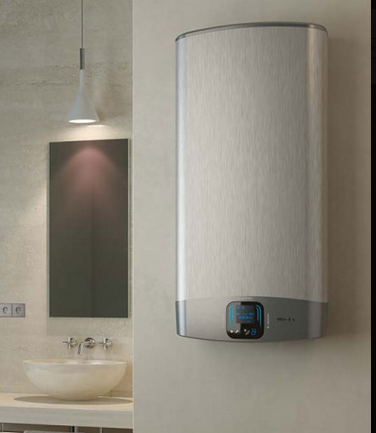
An electric water heater is among the equipment that ensures thermal comfort at home. It contributes to the production of domestic hot water in daily life.
Just like electrical devices such as a cordless screwdriver, boiler, angle grinder, or radiator, it wears out over time.
Also called a hot water tank or cumulus, this type of water heater has a limited lifespan. When the time passes, it gradually breaks down.
To avoid reaching that point, it is essential to replace it properly. If you are a weekend DIYer, it is better to entrust this task to a professional.
📍 My experience: During my first replacement in 2022, I underestimated the weight of a 200-liter tank still full of lime scale. Even emptied, it weighed nearly 60 kg due to deposits, which made removal dangerous alone. The lesson is simple: never attempt to lift or handle an old water heater without the help of a second person or a water heater lift.
What is an electric water heater?
Before detailing the replacement steps of an electric cumulus, it is appropriate to provide you with its definition to better understand the concepts.
Unlike the solar water heater and the thermodynamic one, the electric model uses electrical energy to produce domestic hot water.
🍀 Advantages
- Simple and inexpensive installation
- Hot water available immediately
- Maintenance limited to the anode
🔻 Limitations
- High electricity consumption
- Sensitivity to lime scale (scale)
| Step | Description |
|---|---|
| 1. Cut off the power | Unplug the water heater from electricity and close the water supply to avoid any risk of accident. |
| 2. Drain the water heater | Open the drain valve or use a hose to evacuate all the water contained in the tank. |
| 3. Disconnect the connections | Unscrew the cold and hot water pipes, as well as the electrical cables connected to the water heater. |
| 4. Remove the old water heater | Dismantle and remove the device from its location, taking care not to damage the supports or walls. |
| 5. Prepare the installation of the new one | Check the condition of the fittings, install new seals if necessary, and position the new device. |
| 6. Connect water and electricity | Connect the inlet and outlet water pipes, then plug in the electrical system according to standards. |
| 7. Fill the tank | Open the water supply and purge the air by letting hot water run until a steady flow is established. |
| 8. Commission | Restore the electrical power and check that the water heater is working properly, without leaks. |
Thanks to it, you only have to enjoy good hot baths daily. You can do the dishes or wash your clothes without freezing your hands. There are many advantages, but these are just better examples among many others.
In general, this water heater works by accumulation. It is equipped with a large tank that is filled with cold water.
Then an integrated heating element heats it once for the daily needs of the whole day. The hot water provided will be stored in the tank.
Some models operate by stratification. When hot water is drawn, cold water enters through the lower part of the tank. Then the remaining hot water rises to meet your needs.
🌍 Did you know?
A water heater set at 65°C consumes about 20% more energy than a device set at 55°C, while scaling twice as fast.
When to replace your water heater?
After 10 or 15 years, replacing the device is strongly recommended. This allows you to avoid potential breakdown risks.
Even if you have maintained it well, the water heater gradually wears out. Its performance will decrease over time. Replacing it helps you save energy.
Its lifespan depends on countless parameters such as the type of its heating element, the quality of the model, the hardness of the water, frequent descaling of the tank, fittings, and the heating element.
That is why some models last up to about fifteen years, while others break down in 8 to 10 years. Fortunately, their signs of aging are easy to diagnose as follows:
When the device provides water that is less and less hot, it gives you a sign of its end of life. Sometimes the water flows slowly or takes time to heat up.
At certain times, the sanitary water changes color or drops of water fall from the tank. The device leaks or rust appears at its base. All these situations should not be taken lightly.
They can alert you to the aging of your water heater. There are no other solutions than its replacement.
Before taking action, check that the gas connection is feasible. Installing the gas water heater requires extreme precision. In any case, expect a cost between €550 and €880.
The extra-flat model is currently very popular. It stands out for its heating capacity, which is twice as fast as its competitors. Its installation is child’s play, as it takes up very little space in its location.
Unlike other models, the electric one costs less to purchase. But when it comes to energy consumption, it is surpassed by the solar and thermodynamic models. To avoid mistakes, it is best to entrust their installation to a qualified technician.