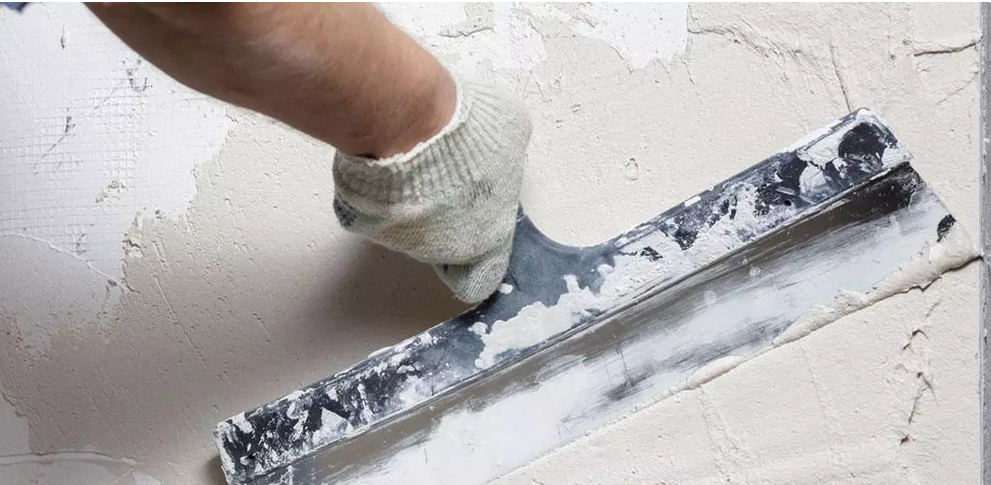
Before enhancing a small balcony or installing a garden arbor, why not start with interior renovation? Over time, the wall becomes moderately damaged. It seems necessary to modernize it while changing the ambiance in the house a bit.
Lime plaster is the ideal material for covering interior walls. Certainly, it is not new. Its use dates back to antiquity. Yet, lime continues to attract many people for dressing walls and facades. To discover more on the subject, we invite you to consult this article summarizing multiple essential pieces of information.
📋 In brief: Personally, I consider lime plaster to be the only coating that truly respects old buildings, as it allows the walls to breathe by evacuating up to 95% of stagnant moisture. It is an ecological and healthy solution that naturally prevents the appearance of mold. Its textured finish brings an authentic charm that no synthetic plaster can imitate.
What is lime plaster and how is it made?
There are a number of plasters, but lime plaster is particularly recommended for wall coverings in old constructions.
Lime plaster is a protective layer for both interior and exterior surfaces. It facilitates the passage of moisture between the wall and the outside, which optimizes hygrometric comfort in the dwelling. It has already proven itself not only in construction but also in the insulation of habitats since antiquity.
🗣️ My experience: During a 2024 project in an old stone house, the owner had mistakenly used cement, which trapped water in the walls. After removing everything to apply hydraulic lime plaster, the humidity level dropped within a few weeks. The lesson learned: on old buildings, cement is the number one enemy of your walls.
Lime plaster is characterized by its powdery and white form, which results from the thermal decomposition of limestone. There are two types of lime plaster.
Natural hydraulic lime contains a variable proportion of clay. When this percentage increases, its strength and vapor permeability increase.
As for air lime, it comes in powder or paste form. Also known as fat lime, it is distinguished by its whiteness. This material is more suitable for interior plasters.
To make lime plaster, it is imperative to respect the correct proportion. With 1 volume of hydraulic lime for example, you use 3, 4, or 5 volumes of sand. For mixing, always start with the sand, then the lime, and finally add the water.
🌍 Did you know?
Lime plaster absorbs CO2 throughout its carbonation (drying) process. It is estimated to recover a large part of the emissions released during its manufacture.
If you plan to create a colored plaster, use pigments, preferably 20 % by weight of the mixture. Adding a few drops of dishwashing liquid is necessary to ensure the fixation of the pigments.
What are the advantages of using lime plaster in construction?
🍀 Good sides
- Regulates natural humidity
- Antibacterial and antifungal
- Flexible (prevents cracks)
🔻 Limits
- Slow setting (patience required)
- Irritating to skin (gloves!)
- Moisture protection: It is capable of reducing potential moisture-related problems. Although it is breathable, it is waterproof against runoff water, protecting the substrate from weather damage.
- Natural regulation: This material also stands out for its natural quality capable of regulating the room’s humidity. It significantly improves indoor comfort in a dwelling.
- Energy savings: Even better, it allows you to save energy. When the walls appear dry, there is no need to use powerful heating.
- Enhanced insulation: Lime is also among insulating materials. For better thermal and acoustic insulation, you can add flax particles.
- Healthy atmosphere: Unlike other wall coverings, it is a healthy layer that purifies the atmosphere. It has antiseptic and bactericidal properties. If you use it in a damp room, it limits mold growth.
- Universal compatibility: Easy to work with, lime plaster respects any material. If needed, you can remove it without damaging the work.
- Flexibility and aesthetics: Flexible, it easily adapts to all substrates. It is also very decorative. When mixed with natural pigments, it offers a wide palette of tones.
How to prepare a surface to receive lime plaster?
When you plan to make a screed, some preparations are necessary. It’s the same with lime plaster.
Before applying it, you must always start by preparing the substrate. It must be healthy and clean to receive the material. Make sure to clean it well. Once this step is done, rinse with clear water.
If you notice imperfections such as cracks, try to repair them. Make sure this correction is not visible from the outside. If you plan to apply the plaster on a wall, wet it one day before.
During this preparation, gather all the materials to be used such as a bucket, a cement mixer, a trowel, and more. Since lime is a very corrosive material, it is important to wear protective equipment.
What tools are necessary to apply lime plaster?
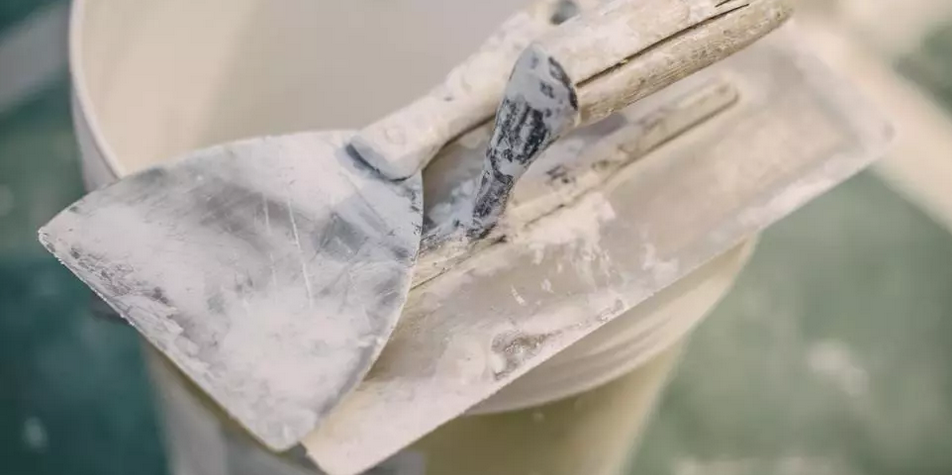
There are several accessories that can be used to apply this type of plaster. Their common feature lies in their ease of use.
There is no need to be a professional painter to handle them properly. With some practice, you can use them according to the rules of the art.
The trowel is the classic tool for applying plaster to walls. Although they come in various shapes and sizes, the important thing is to choose one that is not too large.
The cat’s tongue resembles the trowel, but it is rather thin. As for the float, prefer a wooden model. It is used to hold the plaster on its surface.
That said, the smoother is equally necessary when applying lime plaster. This tool is particularly useful during finishing.
Besides that, you need a sponge float, a concrete mixer, and of course, protective equipment such as a mask and special glasses.
⚠️ Warning
Never work with lime in full sun or strong wind. The plaster would dry too quickly (it is said to “burn”), which would cause micro-cracks and the material to crumble into dust.
How to apply lime plaster on a wall?
| Step | Description | Practical tips |
|---|---|---|
| Surface preparation | Clean the wall, remove dust, dirt, and any old non-adherent paint. | Slightly moisten the wall the day before to promote plaster adhesion. |
| Choice of plaster | Prepare a mix of aerial or hydraulic lime with sand and water according to the type of wall. | Use hydraulic lime for exterior or damp walls, and aerial lime for interior finishes. |
| Application of the gobetis layer | Apply a first very liquid layer to promote plaster adhesion. | Use a trowel or brush to evenly spread the gobetis over the entire surface. |
| Application of the body coat | Spread a thick layer (1 to 2 cm) that serves to level and structure the wall. | Work in cross passes for better adhesion and smooth with a mason’s straightedge. |
| Application of the finishing coat | Apply a thin decorative layer (3 to 5 mm) with or without natural pigments. | Use a float to achieve the desired effect: smooth, brushed, or textured. |
| Drying and protection | Let dry slowly sheltered from wind and direct sun for several days. | Protect the surface with a breathable veil or tarp to avoid cracks. |
| Wall maintenance | Clean with a soft brush and clear water in case of dirt. | Avoid chemical products that could alter the natural properties of lime. |
Lime plaster proves to be much more practical than cement. It provides a working time of two hours before drying. After proper preparation, you can work the material directly. You must wait two days between each application for multiple layers. Remember that lime plaster dries by air contact to harden.
First, apply a bonding coat or a fixative preparing the wall to receive the plaster. Then apply the plaster onto the surface.
The last step is to use black soap and wax. You can also use a damp sponge to give a shiny effect to the wall. This also allows the lime plaster to unify quickly.
🔧 Tip
Always thoroughly moisten your wall the day before and just before application. A dry wall would absorb all the water from the plaster, preventing proper adhesion.
How to add color to a lime plaster?
It is easy to tint this protective layer. To do so, use ochres, a scale, a mixer, and indeed a lime plaster.
Avoid adding pigments directly into the plaster. You must first mix the coloring materials with water in a bowl to obtain a creamy texture. Then let it rest for a few hours.
Next, incorporate the mixture into the plaster and use an electric mixer to blend it with the lime. Do not stop until you have a uniform color.
How to maintain and repair lime plaster?
To preserve the plaster’s shine, try to regularly clean the surface with a vacuum cleaner or a damp cloth.
It is not recommended to use abrasive cleaners or harsh chemical substances, as they may damage the material.
To protect the plaster substrate from weather conditions, consider waterproofing it several times. Many products are designed for this purpose.
If the surface has cracks, it can be repaired. Simply add a fresh layer of plaster on the affected area.
When lime plaster loses its brightness, you can lightly sand it to refresh it. Once the surface layers are removed, apply a new tint.
Frequently Asked Questions
This layer is used both indoors and outdoors. Even if the residence is located near the seaside, certain types such as those based on hydraulic lime tolerate moisture and water.
This plaster is particularly suitable for old constructions. Since it is a traditional material, it is perfect for renovating a facade in a rural environment.
Despite the many advantages of lime plaster, it is not as resistant as cement plaster. When you scratch it, it crumbles unlike the other. The latter generally remains intact.