Weld-free plumbing is now established as an essential solution for those seeking fast, secure, and economical installations. Thanks to the evolution of techniques and materials, it is now possible to carry out plumbing work efficiently without resorting to traditional welding. Let’s discover together the advantages and applications of weld-free fittings, whether they are made of copper, brass, or in the form of biconical fittings.
📋 Key points: Personally, I believe that the advent of mechanical fittings has saved many DIY weekends. Did you know that 70% of domestic leaks can now be repaired without using a blowtorch? Thanks to multilayer or PEX, extending a network becomes child’s play, even for those who have never held a soldering lamp in their life.
Advantages of weld-free fittings
🍀 Pros
- No fire risk
- Ultra-fast implementation
- No need for professional skills
🔻 Cons
- Unit price of fittings
- Bulkiness of fittings
Choosing weld-free plumbing offers many advantages compared to conventional methods. First, the use of mechanical fittings allows for a considerable time saving on site. Without the need to prepare welding stations or wait for welds to cool and be checked, everything becomes faster.
Furthermore, weld-free fittings provide enhanced safety. The absence of flame reduces fire risks, making this process particularly attractive in environments where heat poses a potential hazard. Moreover, the fittings are often designed to be foolproof, thus minimizing possible leaks.
📍 My experience: During my bathroom renovation in 2024, I had to work in a tight corner under a wooden floor. Using a blowtorch was far too risky for the structure. I switched to push-fit fittings, and the seal was done in 30 seconds flat. The lesson? Fire safety and speed more than compensate for the slightly higher price of the fittings.
Easy installation thanks to mechanical fittings
A weld-free installation is generally very simple, accessible even to DIY enthusiasts. The quick fittings used here eliminate the need for advanced welding skills. They can be screwed, clipped, or tightened in place, thus reducing the need for specialized equipment or specific training.
With brass fittings and copper fittings specially designed to be integrated without welding, assembly becomes intuitive. These materials are not only durable but also corrosion-resistant, ensuring the longevity of the installation.
🌍 Did you know?
The multilayer tube contains a real aluminum layer sandwiched between two layers of polyethylene. It is this metal sheet that gives it its “shape memory,” allowing the pipe to remain bent without accessories.
Available types of fittings
To meet all needs, several types of weld-free fittings have been developed:
- Biconical fittings: perfect for rigid piping, they guarantee optimal sealing thanks to their specific design.
- Compression fittings: these fittings are widely used, especially to assemble metal pipes such as copper and stainless steel.
⚠️ Classic trap
Over-tightening a bicone or compression fitting. Excessive tightening can crush the tube or crack the nut, causing a micro-leak initially undetectable but disastrous after a few weeks under pressure.
- Push-fit fittings: requiring minimal manual insertion, these fittings are installed extremely quickly.
You can thus choose from different designs depending on the type of project and the available budget. Each model has been designed to offer easy installation and avoid complications related to the precision work required with traditional welding.
To go deeper, I recommend learning how to properly use plumber’s hemp which also provides useful tips for your threading. And to go further, knowing how to repair a water leak offers interesting insight.
Comparison between weld-free and traditional fittings
Comparing weld-free fittings to traditional solutions helps to understand the reasons behind their growing popularity. Let’s look at this in more detail:
| Criterion | Weld-Free Fittings | Traditional Fittings |
|---|---|---|
| Installation | Fast and without special equipment | Often laborious, requires special tools |
| Safety | High, no flame needed | Increased risk due to use of blowtorches |
| Long-term cost | Cost reduction by saving time | Can be more expensive due to increased labor time |
| Corrosion resistance | High, depending on chosen materials (brass/copper) | Varies, often lower for some unprotected metals |
Practical tips for performing weld-free plumbing
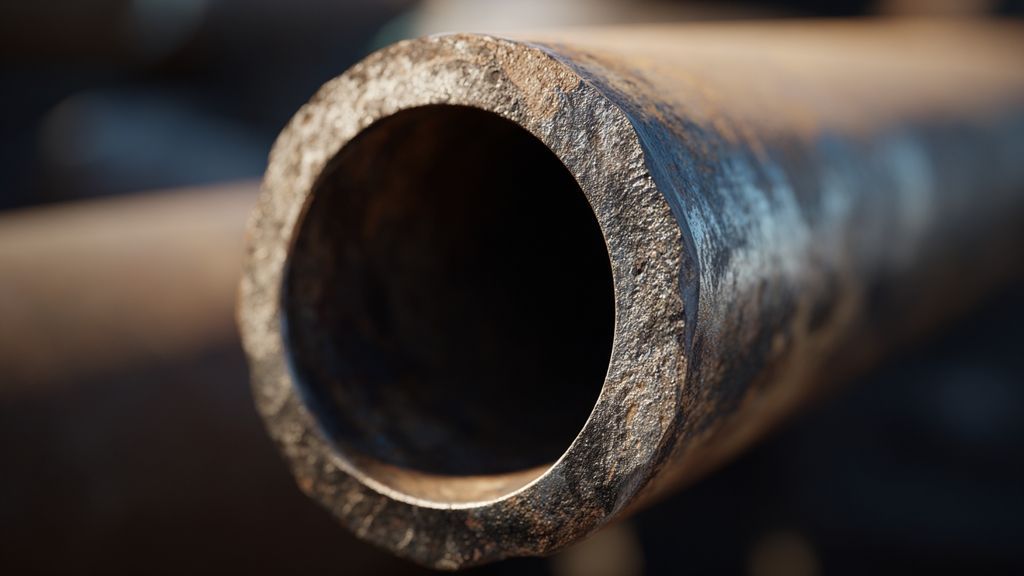
Some useful habits guarantee the success and durability of your weld-free plumbing project. First of all, make sure you have chosen the right type of fitting for each section of your plumbing network. For example, favor biconical fittings for sections subjected to high pressures.
🔧 Tip
Always use a pipe cutter rather than a hacksaw. A perfectly perpendicular and burr-free cut is the only guarantee of a perfect seal on solderless fittings.
Additionally, always remember to clean the ends of the pipes before assembling the fittings. This crucial step prevents any dirt buildup and ensures a watertight connection. Don’t forget to check each installation point to ensure they do not allow any unwanted leaks.
Maintenance of solderless plumbing systems
Although solderless fittings require little maintenance, regular inspection is still recommended to prevent potential issues. Pay attention to possible signs of leaks or deterioration at the joints.
If intervention or replacement is needed, it is often done easily and without the need for complex disassembly. The modular system adapts perfectly to repairs carried out without excessive interruption of water flow.
FAQs about solderless plumbing
What is the main advantage of solderless fittings?
The main advantage lies in their ease and speed of installation. No need for heavy or expensive equipment, thus reducing implementation time. This significantly contributes to a time saving on large-scale projects or during simple home renovations.
Are all solderless fittings compatible with all types of pipes?
No, each fitting must match the type of pipe used. Make sure to check compatibility between brass fittings, copper, or other materials with your system. This not only ensures the strength of the joint but also its lifespan and water efficiency.
How do I know if my solderless fittings need maintenance?
You should monitor your fittings at least annually. Look for signs of moisture around the joints, a characteristic sign of a potential leak. If adjustments are necessary, gently tighten the fittings without excessive force. Sometimes, replacing worn parts ensures the system’s seal is maintained.
Are plumbing systems with solderless fittings durable?
Yes, when properly done, these systems show excellent durability. Using materials such as brass or copper increases their resistance to varied environmental conditions, ranging from high humidity to extreme temperatures. Thus, investing in a correct installation offers peace of mind and prolonged use.