

📋 Essential to remember: Personally, I believe that the use of sodium chlorate must be extremely regulated because it is a powerful but non-selective product. Since its ban in 2010 for phytosanitary use, it has been replaced by more environmentally friendly solutions. About 90% of amateur gardeners now turn to acetic acid or thermal weeding to achieve similar results.
Impeccable garden, peaceful maintenance, and guaranteed safety: weed management without harmful products attracts all those who wish to preserve nature around their home. Between health risks, invisible pollution, and regulatory constraints, the choice of herbicide deserves careful consideration. Discover how to adopt natural, effective, and environmentally respectful methods to protect your soil and sustainably enjoy a healthy outdoor space, without compromising tranquility.
📍 My experience: I remember a neighbor who, in 2008, used this product on his gravel driveway just before a heavy storm. The runoff ended up in his vegetable garden, destroying his entire tomato harvest in less than 48 hours. The lesson learned is that the persistence of these substances in the soil is a major risk for the entire garden ecosystem.
What is sodium chlorate and why has its use as a herbicide marked history?
👍 Advantages
- Lightning-fast action
- Long-lasting effect
- Easy to spread
👎 Disadvantages
- Banned from sale
- Pollution of groundwater
- Fire risk
Sodium chlorate is a powerful oxidizer long used as a non-selective herbicide in gardens and outdoor spaces. This product appears as a white or yellowish powder, very soluble and sensitive to moisture, capable of destroying all plants and weeds on contact, including roots through a dehydration effect and destruction of plant tissues.
The rapid action of the herbicide attracted many users seeking effectiveness against unwanted vegetation. However, the product’s persistence in the soil and the risks of explosion during handling led to a progressive ban due to dangers to health and the environment.
Notable properties and uses
| Substance | Effectiveness | Action time | Ecological impact |
|---|---|---|---|
| Sodium chlorate | Radical | 3 to 5 days | Very high (banned) |
| Acetic acid | Medium | 24 hours | Moderate |
| Boiling water | Localized | Immediate | None |
| Bicarbonate | Selective | 7 days | Low |
- Non-selective herbicide: destroys all plants indiscriminately
- Rapid effectiveness on weeds and stumps
- Persistence in the soil up to 6 months
- Historical use in agriculture, roadways, and private gardens
- Possible explosion in case of mishandling
For a gentler approach, I recommend using baking soda, which offers an interesting alternative in the garden. If you have more persistent invaders, the use of hydrochloric acid is sometimes mentioned, although it requires great caution. Finally, for maintaining your green spaces, a wireless robotic lawn mower allows you to keep a clean lawn without any chemical products.
What are the dangers related to the toxicity and pollution of sodium chlorate?

The toxicity of sodium chlorate is recognized for human and animal health. Ingestion or direct contact causes serious disorders, with risks to the digestive mucosa, blood, kidneys, and a real danger for domestic and farm animals.
The pollution of the soil and the environment is explained by the strong persistence of the product and its leaching by rain and runoff, which lead to the contamination of surface waters, groundwater tables, and sensitive aquatic environments.
Major risks to know
- Toxicity for humans and animals
- Contamination of waters and groundwater tables
- Long persistence in the soil
- Effects on aquatic fauna and flora
- Possible skin and respiratory irritations
How is the ban on sodium chlorate explained and what regulations govern this product?
The European regulation enacted the ban on the herbicide sodium chlorate as early as 2009, reinforced by the Labbé law for individuals and local authorities. This decision aims to limit the risks of pollution, toxicity, and explosion related to the handling and use of the product on French territory.
The sale, purchase, and use of this herbicide are now prohibited, although old stocks or non-compliant purchases sometimes remain, exposing users to sanctions and increased risks for health and the environment.
Main points of the regulation
- Ban on sale and use since 2010
- Extension to individuals since 2019
- Sanctions in case of unauthorized purchase or use
- Strengthened control of phytosanitary products
What are the effects of sodium chlorate on soil, the environment, and water?

Sodium chlorate causes a disruption of the biological process of the soil, preventing the regrowth of plants over a long period due to its persistence. This persistence promotes the infiltration and leaching of the product into the groundwater and surface waters during heavy rainfall or runoff.
The contamination of waters and the pollution of natural environments are accompanied by a direct impact on local biodiversity, with risks for aquatic organisms and terrestrial animals exposed to residues of the herbicide.
What natural and safe alternatives should be favored for weed control without danger?
In light of the ban on sodium chlorate, several natural methods allow the elimination of weeds without risk of pollution or toxicity. These solutions respect the soil and the environment, while offering satisfactory effectiveness for the maintenance of outdoor spaces.
Unsalted boiling water, diluted white vinegar, mulching, manual weeding, and moderate use of table salt represent simple, accessible alternatives that are safe for users, animals, and surrounding plants.
Safe alternatives for weed control
- Unsalted boiling water poured on the weeds
- White vinegar diluted to 50% sprayed locally
- Organic or mineral mulching to limit regrowth
- Manual weeding with appropriate tools
- Moderate use of table salt
⚠️ Common misconception
Many believe that table salt is an “innocent” natural alternative. This is a mistake: salt sterilizes the soil permanently and destroys the microfauna in the same way as certain chemicals.
In 2019, some amateur gardeners attempted to manufacture sodium chlorate artisanally, causing an accidental explosion in a town in eastern France.
🌍 Did you know?
Sodium chlorate was once used in the manufacture of homemade explosives, which also influenced the decision to tighten its regulation and distribution to the general public.
How to recognize accidental sodium chlorate contamination on a plot?
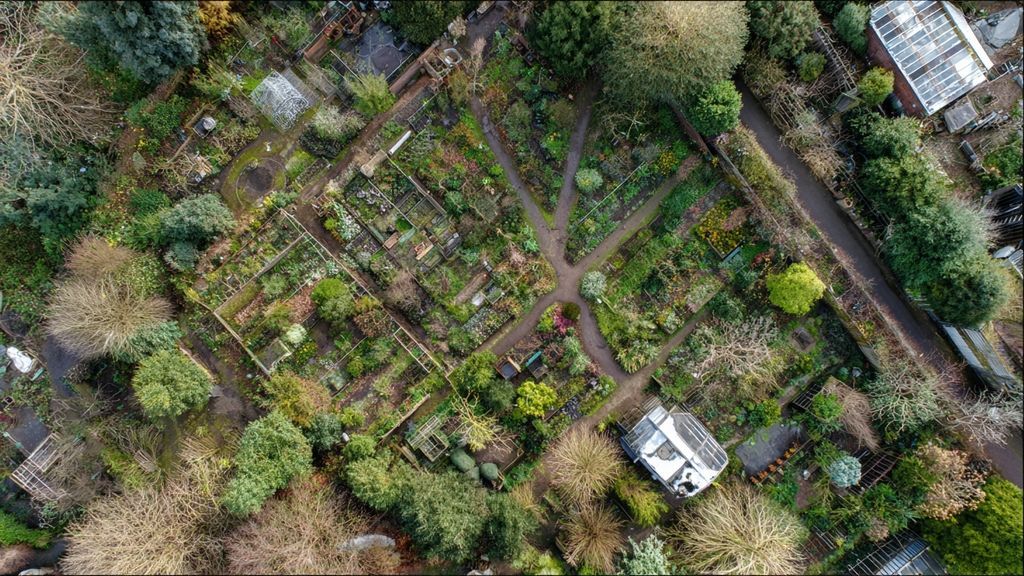
The sudden appearance of completely sterile areas, where no plants or weeds grow back for several months, often signals the persistence of the herbicide. Whitish traces on the surface of the soil or a slightly chlorinated smell can also indicate the presence of sodium chlorate. This phenomenon is frequently accompanied by an absence of insects or biological activity, a consequence of the product’s toxicity.
Soil pollution can manifest as a slowdown in the decomposition of organic matter and difficulty in cultivating new plant species. The effects of leaching become visible after heavy rainfall, when abnormal puddles or runoff persist on the plot, a sign of infiltration of the herbicide into the aquifers and groundwater.
Domestic animals instinctively avoid contaminated areas, which can serve as an additional indicator. If doubt persists, a soil analysis can detect contamination by residues of sodium chlorate and assess the extent of the pollution to adopt appropriate corrective measures.
Consequences on local biodiversity
The use of nonselective herbicides such as sodium chlorate leads to a sharp decline in plant and animal diversity. The disappearance of plants and the disruption of the biological process of the soil deprive insects, worms, and small mammals of their habitat and food. This action causes a lasting imbalance in the ecosystem, sometimes favoring erosion and diffuse pollution.
Detecting the presence of the product in water
Contamination of waters by sodium chlorate is detected through specialized laboratory tests. Unusual coloration, the death of fish or invertebrates, or a chemical odor indicate pollution of aquifers or nearby streams. Vigilance is required during runoff or when using wells located near treated areas.
- Persistent sterile zones on the plot
- Absence of insects and earthworms
- Chlorinated smell or white traces on the soil
- Abnormal puddles after rain
- Soil analysis in a laboratory
Why prioritize prevention and sustainable weed management?
Weed control relies on preventive techniques that respect the environment, limiting pollution of soils and waters. Mulching, crop rotation, and maintaining a vegetative cover reduce unwanted germination and the spread of weeds, while preserving the life of the soil.
The use of mechanical methods, such as manual or thermal weeding, reduces the risks of contamination and protects biodiversity. Regular maintenance, combined with careful observation, allows anticipating the appearance of weeds without resorting to substances with high toxicity or strong persistence.
Adopting sustainable management contributes to the health of the garden, the safety of users, and the preservation of natural resources. This approach promotes a balance between aesthetics, efficiency, and respect for the environment, while avoiding the dangers associated with banned products.
Role of mulching in prevention
Mulching limits light at the soil level, which prevents the germination of weeds and protects moisture. It reduces maintenance frequency, improves the soil structure, and promotes microbial life, without risk of pollution or toxicity.
Advantages of thermal weeding
Thermal weeding eliminates weeds by thermal shock, destroying the plant tissues on the surface. This method leaves no residue, avoids contamination of soils and waters, and preserves the safety of users and the environment.
- Organic or mineral mulching
- Regular manual weeding
- Appropriate thermal tools
- Crop rotation
- Preventive maintenance of paths and borders
Can choosing a natural herbicide guarantee a healthy and sustainable garden?

Opting for natural and non-selective solutions to manage weeds ensures the preservation of the soil, protection of the environment, and safety of occupants. This approach promotes the health of plants, limits pollution, and reduces the risks of contamination of waters and aquifers. Thoughtful and regular maintenance, combined with mechanical or thermal methods, guarantees a pleasant, sustainable outdoor space without danger for future generations.
💡 Practical tip
For effective chemical-free weeding, always work on young plants. A 2-year-old dandelion root will be 5 times harder to eliminate than a young spring shoot.
“Nature protects itself better than we think; it just needs to be guided in the right direction.”
Frequently asked questions about weeding and garden safety
Why is sodium chlorate banned?
It was withdrawn from the market due to its toxicity to aquatic organisms and its nature as a strong oxidizer, presenting risks of fire and explosion during storage.
What can replace sodium chlorate for weeding a driveway?
Thermal weeders or potato cooking water (rich in starch and boiling) are excellent alternatives for gravel or paved surfaces.
What is the persistence duration of chlorate in the soil?
Sodium chlorate can remain active and prevent any regrowth for a period ranging from 6 months to 1 year, rendering the soil sterile throughout this time.
Publications similaires :
 Homemade wardrobe: ideas and tips
 Energy voucher: Conditions, amount, and procedures to benefit from it in 2026
 Sink drain diameter
 Exterior insulation price for a 100m2 house
 Ribiland: reliable and efficient garden tools for all your outdoor work
 Placostil Prices: costs, materials, and rates per m² for your partitions