When you keep working all week long, you don’t even have time to carry out maintenance or repair tasks at home. For this reason, small DIY jobs must be postponed to the weekend.
When you are an amateur in the field, you have often heard your relatives tease you with the terms: Sunday handyman. The problem is, you haven’t even understood the true meaning of the expression. The following definition will help you grasp the meaning well.
📋 The essentials at a glance: Personally, I consider that becoming a good Sunday handyman is above all a matter of patience and gradual equipment. Did you know that 65% of French people say they do their own small renovation jobs to save money? It’s an excellent way to take ownership of your home while developing immense personal satisfaction.
What is a Sunday handyman?
The term handyman is easily understandable. It refers to a person who likes to do DIY. The word DIY itself refers to a manual activity sometimes done by amateurs. The operation involves repairing, improving, maintaining, or making small objects.
📍 My experience: In March 2025, I tried to fix a heavy shelf without checking the nature of my wall. I used drywall anchors on concrete, and everything collapsed in less than 10 minutes. Lesson learned: the Sunday handyman must spend 80% of his time analyzing and preparing, and only 20% acting concretely.
DIY is practiced in various trades requiring the use of many tools such as the cordless drill, jigsaw, hammer drill or the angle grinder.
The task can involve tiling, electricity, construction work, painting, plumbing, garden maintenance, decoration, and many others.
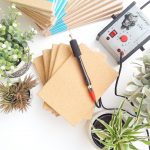
Some operations have an artisanal nature like basketry work, cabinetry, or pyrography. The latter requires, for example, the use of a professional pyrographer to have a quality piece.
🍀 Advantages
- Real financial savings
- Pride in work accomplished
- Total customization
🔻 Limitations
- Significant time spent
- Risk of minor injuries
When an individual is skilled with their hands and masters DIY work very well, we talk about a good handyman. On the other hand, Sunday handyman has a pejorative meaning.
To better clarify our ideas, let’s first discover the meaning of Sunday. The expression originates from the traditional calendar referring to the day off. At that time, one does not engage in paid activities, but does DIY for pleasure. Consequently, there is a lack of rigor in the execution, which expresses a lack of seriousness in the term: of Sunday.
A Sunday DIYer therefore refers to a person who does DIY and has some difficulties completing their tasks. They can be described as inexperienced in the field. This novice undertakes small renovation and maintenance jobs at home, without having to resort to a professional handyman.
🌍 Did you know?
The expression “Sunday DIYer” is not necessarily pejorative. In France, DIY is the second favorite hobby of adults after gardening, generating a market of more than 30 billion euros per year.
What type of DIY to do on Sunday?
When you practice on Sunday, you act out of passion, but not under pressure. You discover many repairs and maintenance operations waiting for you every weekend.
Sunday DIY applies to basic tasks that do not require any particular skills or extensive experience.
You just need to manage to carry out tasks yourself that are generally reserved for professionals. This helps stimulate your creativity. The more you apply yourself, the more you enjoy it.
| Type of DIY | Description | Points to check before starting | Practical advice |
|---|---|---|---|
| Light indoor DIY | Quiet small jobs like assembling furniture, tidying up, wall decoration, or repairing locks. | Check that the tools do not generate disturbing noise. | Use manual tools rather than electric ones to avoid nuisances. |
| Painting and finishing | Touching up walls, varnishing furniture, decorative painting. | Ventilate the room to avoid strong odors. | Prepare the surface the day before to save time on the day. |
| Manual repairs | Changing handles, installing seals, small fixings. | Have all necessary parts and tools. | Favor simple jobs to avoid disturbing neighbors. |
| Light gardening work | Plant care, manual weeding, planting flowers. | Check that the activity is allowed in the municipality on Sunday. | Use manual tools rather than motorized ones. |
| Creative DIY | Making decorative objects, upcycling, sewing, small assemblies. | Ensure the workspace is clean and organized. | Prepare materials in advance to avoid wasting time. |
🔧 Tip
Always take a photo of your connections or parts before disassembling them. It takes 2 seconds and will save you when reassembling, avoiding “extra” parts.
Small Sunday DIY jobs
There is a variety of domestic tasks related to DIY. Sunday DIYers generally take on small renovation and interior fitting jobs during this free day.
There is no need to be a pro to repaint an old piece of furniture or wall. You can also change the curtains in the living room. Take advantage of the moment to replace the lighting fixtures or clean the windows.
Sunday is the right time to repair household appliances. Consider giving your furniture a fresh new look. Using a multifunction tool allows you to save a huge amount of time.
In plumbing, an endless number of activities fill your Sunday. Changing seals or hoses, replacing a faucet, repairing a water leak, installing a water heater, unclogging a drain, there are many tasks you can do on Sunday.
If you work outside, just as many small jobs can be done, especially maintaining the green space. Try to fix fence problems.
Take a look at how your devices such as your electric branch cutter, lawnmower, pneumatic pruner are working. Perform maintenance if necessary.
Take the opportunity to make a trellis. To strengthen the protection of your outdoor space, consider installing security equipment or a worksite floodlight.
If you don’t finish your DIY project, you can continue next Sunday, as there is no rush.
Basic tools for the Sunday DIYer
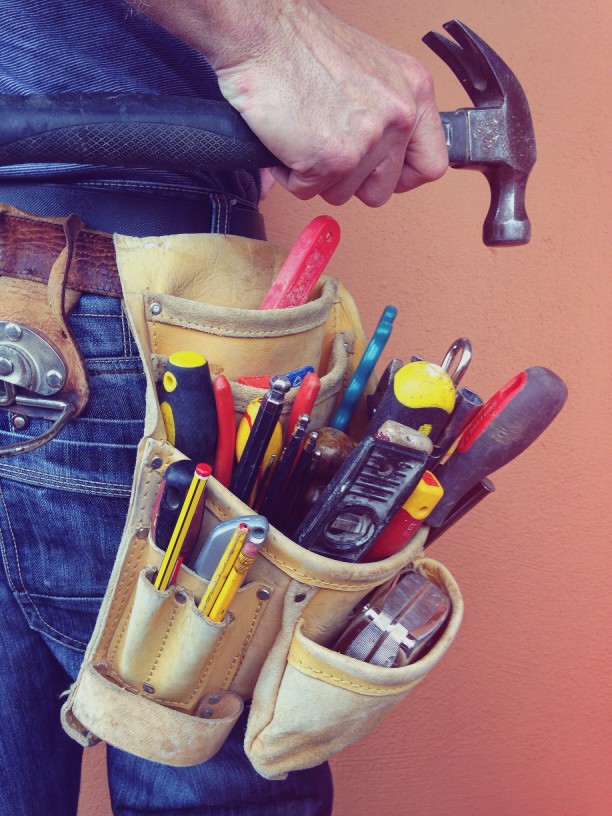
To successfully carry out all the tasks mentioned above, it is essential to equip yourself well. For most of your DIY activities, the use of a hammer is necessary.
You need it to fix or remove nails. It is also useful for straightening a support. Depending on the intended use, it comes in many models such as the carpenter’s hammer, framing hammer, tile setter’s mallet.
Whatever your project, it seems unthinkable to DIY without a drill. Whether screwing, unscrewing, drilling or perforating, this device greatly facilitates your tasks.
It is usually equipped with bits, drills, cutters, rotary brushes, a tray, and many other parts depending on the model.
⚠️ Common misconception
Thinking that “entry-level” tools are enough to start. A bad screwdriver that slips or a drill lacking torque will put you off DIY. It is better to rent quality equipment than to buy disposable low-end tools.
The saw is also among the essential tools. Since cutting is inseparable from DIY, this device plays a decisive role in carrying out your small jobs.
Because it is very useful for every project, manufacturers offer a large number of models such as the circular saw, Japanese saw, jigsaw, double-blade saw, band saw, professional table saw, etc.
As hand tools, the screwdriver, pliers, cutter, spirit level, putty knife, scraper, square, chalk line, clamp, and step ladder are inseparable from DIYers.
Similarly, the wrench is indispensable for tightening or loosening, assembling or disassembling, tightening or loosening.
Like the saw or pliers, there are various types of wrenches, namely the Allen key, ratchet flat wrench, open-end pipe wrench, and adjustable wrench.
Importance of protective equipment
Even if you are a weekend handyman, it is strongly recommended to always wear protective equipment during any intervention.
It should be noted that DIY is one of the main causes of injuries at home. Although it is a hobby in itself, it is wise to take safety measures.
Protective glasses are not only intended for professionals. They protect you from sparks and shards. As for gloves, these accessories prevent possible cuts, pinches, and burns.
It is advisable to wear thick clothing with long sleeves. As a precaution, you can always inquire about the measures to take in case of an accident.
Which DIY works are allowed on Sundays?
- Municipal regulations: Almost all cities impose laws regarding noise. It is essential to stay informed to avoid making a mistake.
- Respect for neighbors: Of course, everyone can build, maintain, or repair something at home. However, know that every individual also has the right to enjoy peace at home. If your DIY project causes noise, it may disturb your neighbors.
- Amicable solution: There is nothing better than proposing an amicable agreement. Otherwise, postpone your noisy DIY work to the authorized hours. From Monday to Friday, you can work between 8:00 a.m. and 6:00 p.m. On Saturdays, you have from 9:00 a.m. to 12:00 p.m. and then 3:00 p.m. to 7:00 p.m.
- Authorized hours on Sunday: Generally, you can do DIY work between 10 a.m. and noon on Sundays. You can therefore drill, saw, or sand with devices generating some noise during these time slots.
Frequently Asked Questions
Sunday handyman refers to a person who enjoys DIY, but is still an amateur. They take pleasure in repairing or making things, but do not have particular skills for the project.
To become an effective Sunday handyman, it is important to plan projects in advance, get the right tools and materials, and follow tutorials and detailed instructions. It is also helpful to surround yourself with experienced people and keep up to date with the latest trends in DIY.
The basic tools a Sunday handyman should have are: a jigsaw, a screwdriver, a hammer, a spirit level, a drill, a pair of pliers, a toolbox, and a set of screwdrivers and screwdriver bits. It is also practical to have a hacksaw, a miter saw, a band saw, a hand saw, a chainsaw, a reciprocating saw, and a hand saw.