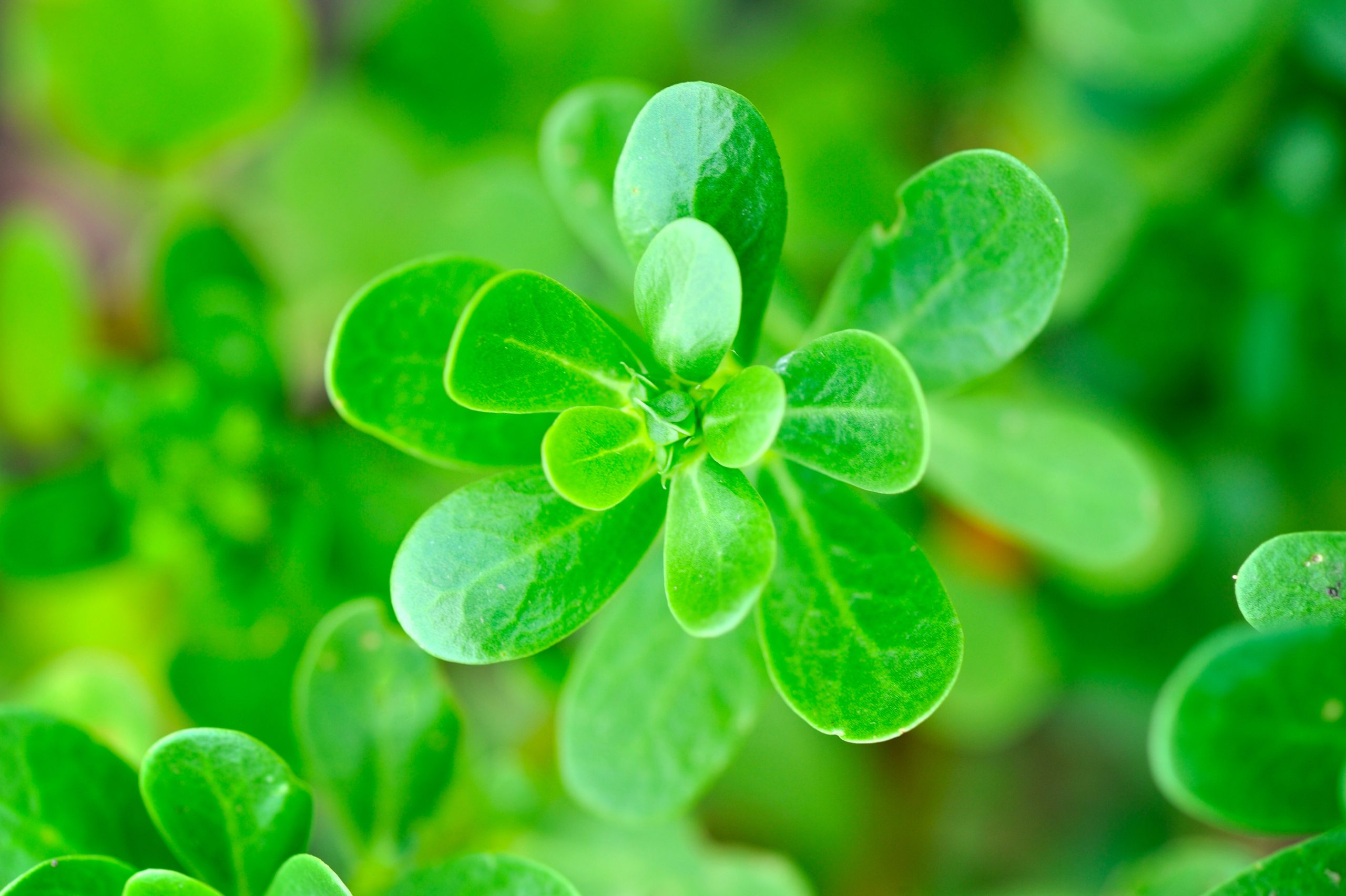
Purslane, a plant widespread in many gardens and vegetable patches, often intrigues with its dual identity. On one hand, some cultivars are eaten in salads, while other varieties raise questions about their potential toxicity for humans and animals. Between unknown dangers and precautions to be observed, it is essential to clearly distinguish the edibility of purslane according to its uses and environment.
Summary of my analysis: In my opinion, purslane (Portulaca oleracea) embodies the perfect garden paradox: a succulent plant delicious in salad that can become a real poison under certain conditions. I believe that purslane’s toxicity is often misunderstood, as it does not lie in an immediately deadly molecule, but in its high concentration of calcium oxalates. My editorial viewpoint is that it is absolutely necessary to distinguish garden purslane from ornamental purslane, as confusion between the two varieties can turn a healthy meal into a very painful digestive experience.
What is purslane and what are its characteristics?
Purslane (Portulaca oleracea) is a common herbaceous plant throughout Europe and Asia. It is recognized by its fleshy leaves and small yellow flowers that open under the morning sun. This plant grows easily in poor or sandy soils, which explains its abundant presence even in neglected places.
Botanists differentiate several types of purslane, but not all present the same toxicity risks. The wild variety sometimes differs from the cultivated purslane, also called “garden purslane,” whose consumption in normal quantities generally remains safe for healthy adults.
To limit the spread of wild purslane between your paving stones, applying a polymer sand after thorough cleaning is a durable and aesthetic solution. If you prefer more traditional mechanical maintenance, regular use of a battery-powered string trimmer will help contain the growth of unwanted weeds along your edges effortlessly. Finally, for denser areas or gravel paths, occasional use of a pressure washer will greatly facilitate the removal of fleshy roots embedded in the gaps.
Risk analysis related to the consumption of purslane
| Risk factor | Substance involved | Potential consequence |
| Massive ingestion | Calcium oxalates | Irritation of oral mucous membranes: Then: nausea |
| Kidney health | Oxalic acid | Risk of kidney stone formation in sensitive individuals |
| Animals (dogs/cats) | Oxalate crystals | Acute kidney failure in case of high consumption |
| Botanical confusion | Ornamental varieties | Increased toxicity due to the presence of saponins |
| Soil origin | Nitrates | Accumulation of nitrogen compounds if the soil is over-fertilized |
| Preparation method | Raw consumption | Maximum concentration of irritating substances |
Where does purslane toxicity reside?
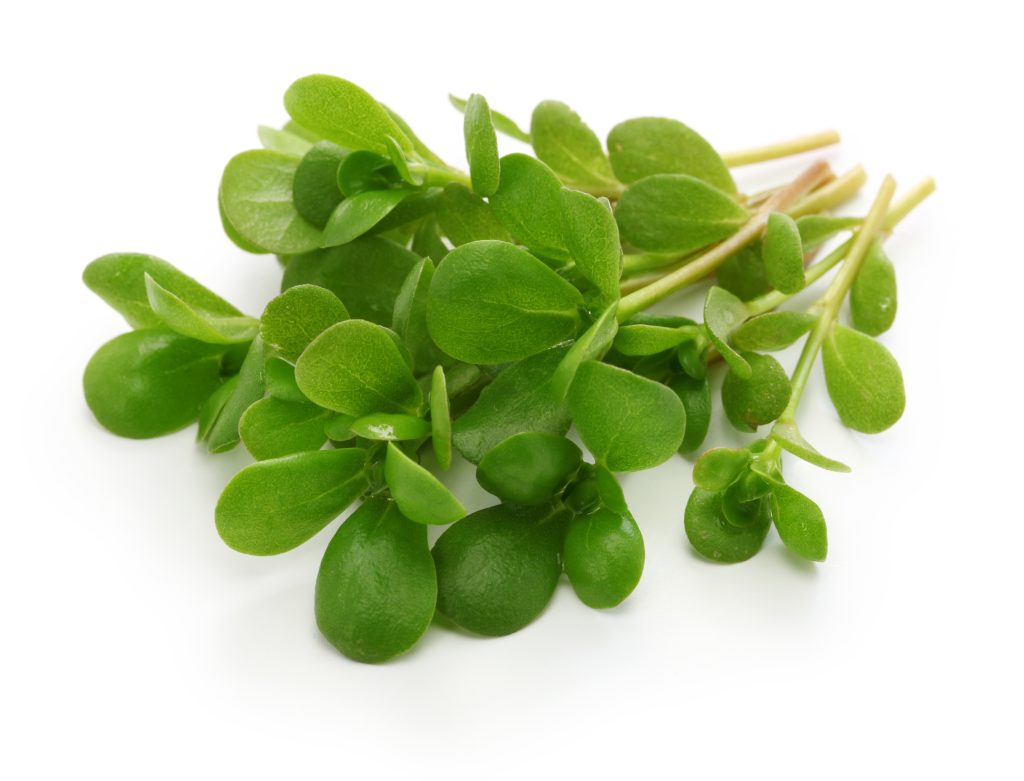
The toxicity of purslane mainly comes from the presence of calcium oxalates. These crystals can cause digestive disorders when ingested in large quantities, especially in sensitive individuals or certain domestic animals such as dogs, cats, or horses.
Oxalates contribute to the acidity of the plant, which can irritate the digestive mucosa and cause symptoms such as abdominal pain, nausea, or vomiting if consumption exceeds the recommended normal amounts. That is why it is advisable to remain cautious and informed before picking this plant in the wild or in an uncontrolled garden.
Are there specific effects on the kidneys?
The accumulation of calcium oxalates can pose a real risk to the kidneys. In predisposed individuals, it can promote the formation of kidney stones. Regular or massive consumption of wild purslane therefore exposes some consumers to urinary complications.
More rarely, these oxalates can interfere with the normal functioning of the kidneys by hindering waste elimination. For subjects who already have a history of stones or kidney inflammation, purslane should be among the foods to avoid or limit.
I personally had an interesting awakening when I observed my dog persistently gnawing on a tuft of wild purslane in a corner of my vegetable garden. Very quickly, the animal showed excessive salivation and seemed to have slight tremors, which prompted me to seriously research the metabolism of this plant. This experience taught me that what is a “superfood” for humans can prove dangerous for our four-legged companions due to the crystallization of oxalates in their kidneys. It is a reflection I keep in mind: nature does not follow our own dietary rules, and what is good for one is sometimes an invisible risk for another.
Edibility of purslane and major contraindications
Considered since Antiquity as a valued food, garden purslane is eaten raw or cooked in various traditional dishes. Its richness in vitamins, minerals, and omega-3 are among its nutritional assets. However, caution is necessary regarding the amount ingested, especially for people with specific risk factors.
The key remains moderation: in normal quantities, fresh cultivated purslane does not cause any notable negative consequences. As soon as the dose increases or if the source becomes uncertain, caution must prevail.
What are the main contraindications?
Particular groups must be attentive regarding purslane consumption. Those suffering from kidney disorders or with a history of urinary stones are at the forefront. Pregnant women, due to increased sensitivity to digestive disorders, would be advised to consult a healthcare professional before including purslane in their daily meals.
Young children, because of the immaturity of their digestive system, should also avoid wild-harvested purslane, since there is great variability in oxalate content depending on the plant’s growing conditions.
What are the dangers for domestic animals?
In dogs, cats, and horses that accidentally taste wild purslane, the risks vary depending on the amount ingested. Ingestion can cause digestive irritations, vomiting, diarrhea, or even, in extreme cases, convulsions or neurological problems. The severity depends notably on the animal’s weight and the level of toxins absorbed.
To avoid these dangers, it is better to restrict access to purslane in areas where your animals regularly roam. Watch for unusual symptoms during walks or in the garden; a prompt veterinary consultation is necessary if you suspect ingestion.
Precautions and advice for using purslane safely
Always pick purslane in places free from pollution, away from roads or chemically treated fields. Favor clearly identified plants and do not hesitate to ask for advice from experts if any doubt remains. Always include a step of thorough washing to remove soil and possible contaminants.
Never consume purslane when dry or wilted, as the concentration of oxalates could be higher than that of a young and fresh plant. Preparation methods (brief boiling then rinsing) also help partially reduce its content of irritant substances.
Why monitor the amount consumed?
An excess even of a plant considered safe increases the risk of discomfort. Sticking to a few leaves added to a salad is more than enough to benefit from the nutritional properties without exceeding the tolerable dose for the body.
In cooking, be careful not to combine several foods rich in oxalates in the same meal, to avoid overloading the kidneys. Consult your doctor if you are already following a low-oxalate diet or in case of unexplained digestive problems after eating purslane.
- Careful washing of the plant
- Certain identification of the variety picked
- Cooking to reduce the effect of oxalates
- Monitoring the quantities consumed and variety of vegetables
Frequently asked questions about toxic purslane
Does purslane toxicity concern all varieties?
- Cultivated purslane: rich in nutrients, low risk
- Wild purslane: increased toxic potential depending on soil and maturity
What are the risks of purslane for dogs and cats?
- Immediate digestive irritation
- Rare neurological effects, dose-related
- Higher risk in young or small-sized animals
Can purslane worsen kidney problems?
| Medical condition | Possible effect |
|---|---|
| Kidney stones | Increased risk of stones |
| Kidney inflammation | Worsening of irritation |
What precautions should be taken when preparing wild purslane?
- Identify the plant with certainty
- Avoid harvesting near roads and treated crops
- Cook quickly in boiling water then rinse
- Respect limitations for at-risk individuals