To give new life to exterior walls, many products are available on the market. While some people choose Tollens paint, others prefer Renaulac paint.
Compared to other coatings, roughcast is gaining popularity. This facing plaster adds a unique charm to the house.
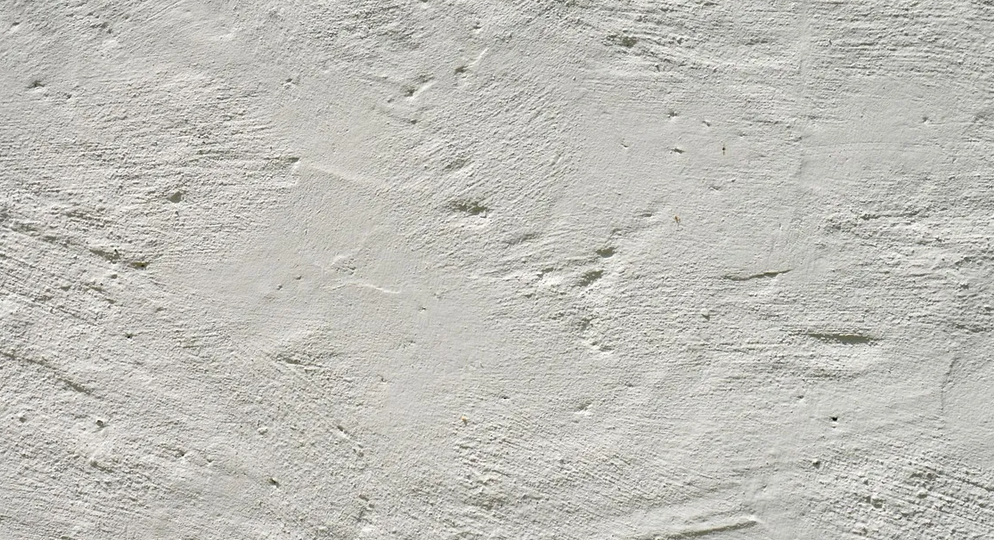
It comes in many finishes. Among the scratched, crushed, and trowelled finishes, the latter option is increasingly attracting homeowners. It combines efficiency, durability, and aesthetics.
If trowelled roughcast interests you, we invite you to read this article. But before going into detail, it is important to first explain the essentials to remember about this facade renovation.
What is meant by trowelled roughcast?
With the variety of models, finding a good paint for a living room or for a kitchen is not a complicated task.
But when it comes to coating exterior walls, making the best choice takes a lot of time. The product must withstand weather conditions and external aggressions.
This is the case with trowelled roughcast, which is capable of lasting for many years. It tolerates rain, wind, sun, or snow very well. Moreover, it does not require regular renovation.
This coating is made of lime, cement, and pigments. It is particularly suitable for modern constructions.
As its name suggests, it is applied using a method called trowelling. You just need to use a tool called a trowel.
The technique is able to provide a texture that is both smooth and uniformly aesthetically pleasing.
The thickness of the trowelled roughcast should not exceed 20 mm. Besides that, its application is prohibited during very hot or very cold weather. Often applied in 2 layers, it can be used on both a wall and a facade.
Understanding and applying trowelled roughcast
Summary table of trowelled roughcast
| Characteristic | Details |
|---|---|
| Appearance | Smooth surface with slight undulations |
| Required tools | Trowels, spatula, buckets, mixer |
| Materials | Roughcast mortar (lime or cement), optional pigments |
| Drying time | 24 to 48 hours depending on conditions |
| Usage | Exterior facades, interior walls |
| Advantages | Aesthetic, wall protection, weather resistance |
| Maintenance | Cleaning with water, simple touch-ups |
Trowelled roughcast
- Preparation of the surface: clean, dry, and dust-free surface
- Application of the first layer: sprayed roughcast or base coat
- Use of the trowel: smooth with circular or linear movements
- Creation of the texture: pressure more or less strong depending on the desired effect
- Drying: respect the recommended time to avoid cracks and imperfections
- Protection: apply a water-repellent treatment outdoors to extend its lifespan
How to apply a troweled render on an exterior wall?
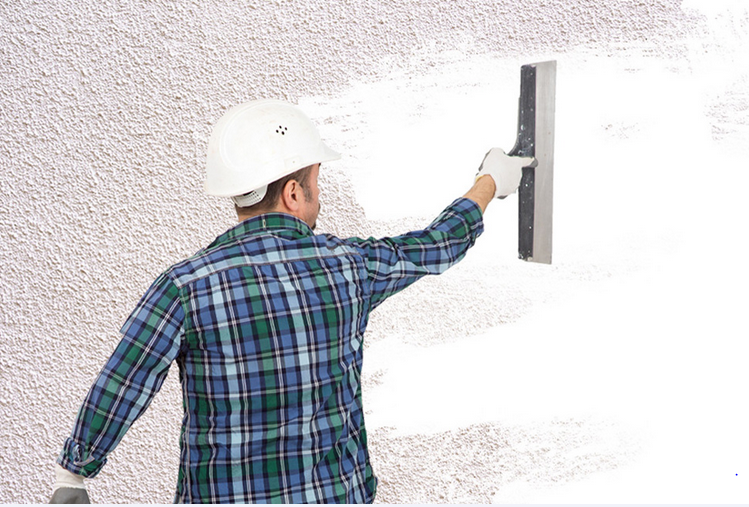
As a result, you will obtain a smooth, uniform, and even surface. To achieve this, you use a sponge trowel or a plastic one.
Whether you apply it mechanically or manually, the troweled plaster application does not require professional equipment. It can therefore be carried out by a qualified painter as well as by a simple individual.
Another advantage of troweled plaster relates to the aesthetic aspect. After its application, your facade is magnificent to look at. With a smoother appearance, it catches the eye.
That’s not all, this coating offers a wide range of shades that are compatible with almost all decoration styles. It beautifies the exterior surface of the house by giving it a more modern look.
Besides that, many people prefer it because of its protective virtue.
It provides resistance to moisture as it tightens the pores of the substrate. That is why it is not only waterproof but also defends against bad weather.
The troweled plaster prevents water infiltration when it rains. It optimizes the waterproofing of your facade. It is capable of extending its lifespan.
Its benefits do not stop there! Thanks to this finish, your exterior walls become less dirty. As a result, they require less cleaning and maintenance.
How can you maintain and clean a wall with troweled plaster?
If you want to enjoy your facade’s coating for a very long time, it is essential to take care of it from time to time. By cleaning it properly, you can extend its lifespan by many years.
It should be noted that troweled plaster is among the easiest products to maintain. Since it makes the surface smooth, it retains little dirt. Even better, rain just slides off the facade. It leaves no marks.
Before cleaning the coating, it is important to assess the condition of the wall. In case of cracks, they must be filled immediately to prevent water infiltration. These imperfections can be the source of moisture problems.
Once this step is done, proceed to dust off the substrate. Then clean the plaster using a water sprayer.
If the coating is damaged, try to reduce the intensity of washing. In case of stubborn stains, scrub the affected area using a special brush or a sponge.
After cleaning, apply an anti-moss product. This prevents the return of these unwanted plants that cause dirt.
Remember that maintenance of troweled plaster takes time. If you have availability issues, consider entrusting the task to a professional. They can promise you quality work.
How to repair a wall whose troweled plaster has been damaged?
Plaster generally consists of a layer of mortar, plaster, and cement. These materials are applied to the surface of exterior walls.
Over the years, it tends to crumble little by little until it causes small cracks. If you remain inactive, these cracks widen, which leads to infiltration problems inside the house.
If the hole is deep, it is wise to consult a professional. They can assess the severity of the problem while proposing durable solutions.
To repair the cracks, you can use a filling compound. This can be applied using a spatula.
Once the product dries, you can sand the damaged part using a sandpaper, preferably very fine. To finish, all that remains is to apply paint for the finish.
What tools are necessary for applying a troweled plaster?
To spread a troweled plaster, you need to use a number of tools and equipment. They can be useful both during the preparation of the surface and for the application of the coating.
First, it is necessary to equip yourself with safety devices such as protective glasses, thick gloves and if possible a coverall.
For work at height, equip yourself with a suitable helmet. Also, use scaffolding or a ladder that ensures your balance, especially for a work area more than 3 m high.
To protect the floor, plants, or windows, it is preferable to provide special tarps. Ideally, they should be moved to another location while you apply the troweled plaster.
For cleaning equipment, use a brush, a bucket, a sponge and cleaners. To speed up and simplify your tasks, using a sprayer is an excellent idea.
Regarding DIY equipment, it is advised to have a painter’s knife, a mixer, a trowel and of course a float. For finishing, use a float of the sponge type.
If the wall is damaged, you will need a undercoat, filler and fixative. Indeed, use a higher quality plaster.
You have the choice between paste and powder coatings. For the latter, a concrete mixer is essential for mixing.
Is troweled plaster resistant to weather and temperature variations?
Unlike other exterior finishing coatings, troweled plaster stands out for its great longevity.
It is capable of covering your facade for many years. Its robustness and resistance to moisture explain its durability.
Whether it is a paste or powder plaster, this material is distinguished by its tolerance to weather conditions. Rain, hail, snow, wind, or even storms, nothing scares it.
Also, whether it is cold or extremely hot, troweled plaster easily withstands temperature variations. That is why it does not give in to the test of time.
What is the typical lifespan of a troweled plaster on an exterior facade?
When comparing scratched, sprayed, crushed, and troweled plaster, the latter shows better longevity. As it is characterized by its durability and resistance, it can cover your exterior walls for as long as possible.
To enjoy it for many years, maintenance is necessary. Fortunately, troweled plaster requires no complicated care. A high-pressure wash is enough to keep it in its original state for a long time.
Its durability also depends on its correct application. If you apply it properly, it can offer you an interesting lifespan compared to other coatings.
While others require a facade renovation sometimes every 10 or 12 years, troweled plaster imposes no such demand. It can last you between 35 and 50 years.
Troweled plaster is applied manually using a trowel, resulting in a smooth and neat finish with slight undulations. Sprayed plaster, on the other hand, is machine-applied and has a more granular and rough texture. The choice therefore depends on the desired aesthetic and the style of the facade.
The average price of troweled plaster ranges between €25 and €50/m², depending on the region, the condition of the surface, and the complexity of the job. If the wall requires prior restoration, the cost may be higher.
It is possible to do troweled plaster yourself if you have the right tools (trowel, float, mixer) and some know-how. However, for a uniform and durable finish, it is often recommended to hire a professional, especially for large exterior surfaces.
- Preparation of the surface: To sand a wall before painting, surface preparation is a phase not to be missed. It is the same with applying troweled render. It must be applied on a healthy and clean surface.
- Cleaning the surface: The first step is therefore to clean the surface with a water jet, regardless of its nature and size.
- Use of a facade cleaner: If possible, do not hesitate to use a product designed for facade cleaning, as it is suitable for its composition materials.
- Filling defects: If the surface has holes or cracks, fill them using filler putty. This operation ensures the uniformity of the surface.
- Sanding and dusting: It is preferable to sand it with abrasive paper then dust it off. Once the wall is well prepared, you can apply the troweled render.
- Choice of render type: Before carrying out this operation, it is important to note that render is available in two types: paste and powder.
- Preparation of paste render: The first is ready to use. It requires no other additives. Just mix it well so that the material and color create a uniform finish.
- Preparation of powder render: As for the second, water must be added. Keep stirring the product until you obtain a homogeneous consistency.
- Application with a trowel: Now back to our subject. To apply the troweled render on the facade, take your trowel and put some render on it. Do not hesitate to use your painter’s knife to apply a thin layer on the surface.
- Direction of movement: During application, you can go from bottom to top. Try to make a consistent movement. Make sure not to stretch the material, otherwise it loses the relief and desired effects.
- Texture effect: Before the render dries, the trowel must be applied over the previous pass. Make circular movements to smooth the render and especially to give it a textured effect.
- Waxed finish: If you want to create a waxed finish on the render, use a product called white wax on the wall with a brush. This also helps protect it. To finish, polish the surface with a cloth.
What are the advantages of using a troweled render for the exterior finish of a house?
Compared to the sprayed, scratched or even pressed finish, the troweled one is very popular for dressing exterior walls.
Its first asset lies in its ease of application. You just have to pass your trowel over the surface. Then, you smooth the lumps of render as well as the roughness.
As a result, you will obtain a smooth, uniform, and even surface. To achieve this, you use a sponge trowel or a plastic one.
Whether you apply it mechanically or manually, the troweled plaster application does not require professional equipment. It can therefore be carried out by a qualified painter as well as by a simple individual.
Another advantage of troweled plaster relates to the aesthetic aspect. After its application, your facade is magnificent to look at. With a smoother appearance, it catches the eye.
That’s not all, this coating offers a wide range of shades that are compatible with almost all decoration styles. It beautifies the exterior surface of the house by giving it a more modern look.
Besides that, many people prefer it because of its protective virtue.
It provides resistance to moisture as it tightens the pores of the substrate. That is why it is not only waterproof but also defends against bad weather.
The troweled plaster prevents water infiltration when it rains. It optimizes the waterproofing of your facade. It is capable of extending its lifespan.
Its benefits do not stop there! Thanks to this finish, your exterior walls become less dirty. As a result, they require less cleaning and maintenance.
How can you maintain and clean a wall with troweled plaster?
If you want to enjoy your facade’s coating for a very long time, it is essential to take care of it from time to time. By cleaning it properly, you can extend its lifespan by many years.
It should be noted that troweled plaster is among the easiest products to maintain. Since it makes the surface smooth, it retains little dirt. Even better, rain just slides off the facade. It leaves no marks.
Before cleaning the coating, it is important to assess the condition of the wall. In case of cracks, they must be filled immediately to prevent water infiltration. These imperfections can be the source of moisture problems.
Once this step is done, proceed to dust off the substrate. Then clean the plaster using a water sprayer.
If the coating is damaged, try to reduce the intensity of washing. In case of stubborn stains, scrub the affected area using a special brush or a sponge.
After cleaning, apply an anti-moss product. This prevents the return of these unwanted plants that cause dirt.
Remember that maintenance of troweled plaster takes time. If you have availability issues, consider entrusting the task to a professional. They can promise you quality work.
How to repair a wall whose troweled plaster has been damaged?
Plaster generally consists of a layer of mortar, plaster, and cement. These materials are applied to the surface of exterior walls.
Over the years, it tends to crumble little by little until it causes small cracks. If you remain inactive, these cracks widen, which leads to infiltration problems inside the house.
If the hole is deep, it is wise to consult a professional. They can assess the severity of the problem while proposing durable solutions.
To repair the cracks, you can use a filling compound. This can be applied using a spatula.
Once the product dries, you can sand the damaged part using a sandpaper, preferably very fine. To finish, all that remains is to apply paint for the finish.
What tools are necessary for applying a troweled plaster?
To spread a troweled plaster, you need to use a number of tools and equipment. They can be useful both during the preparation of the surface and for the application of the coating.
First, it is necessary to equip yourself with safety devices such as protective glasses, thick gloves and if possible a coverall.
For work at height, equip yourself with a suitable helmet. Also, use scaffolding or a ladder that ensures your balance, especially for a work area more than 3 m high.
To protect the floor, plants, or windows, it is preferable to provide special tarps. Ideally, they should be moved to another location while you apply the troweled plaster.
For cleaning equipment, use a brush, a bucket, a sponge and cleaners. To speed up and simplify your tasks, using a sprayer is an excellent idea.
Regarding DIY equipment, it is advised to have a painter’s knife, a mixer, a trowel and of course a float. For finishing, use a float of the sponge type.
If the wall is damaged, you will need a undercoat, filler and fixative. Indeed, use a higher quality plaster.
You have the choice between paste and powder coatings. For the latter, a concrete mixer is essential for mixing.
Is troweled plaster resistant to weather and temperature variations?
Unlike other exterior finishing coatings, troweled plaster stands out for its great longevity.
It is capable of covering your facade for many years. Its robustness and resistance to moisture explain its durability.
Whether it is a paste or powder plaster, this material is distinguished by its tolerance to weather conditions. Rain, hail, snow, wind, or even storms, nothing scares it.
Also, whether it is cold or extremely hot, troweled plaster easily withstands temperature variations. That is why it does not give in to the test of time.
What is the typical lifespan of a troweled plaster on an exterior facade?
When comparing scratched, sprayed, crushed, and troweled plaster, the latter shows better longevity. As it is characterized by its durability and resistance, it can cover your exterior walls for as long as possible.
To enjoy it for many years, maintenance is necessary. Fortunately, troweled plaster requires no complicated care. A high-pressure wash is enough to keep it in its original state for a long time.
Its durability also depends on its correct application. If you apply it properly, it can offer you an interesting lifespan compared to other coatings.
While others require a facade renovation sometimes every 10 or 12 years, troweled plaster imposes no such demand. It can last you between 35 and 50 years.
Troweled plaster is applied manually using a trowel, resulting in a smooth and neat finish with slight undulations. Sprayed plaster, on the other hand, is machine-applied and has a more granular and rough texture. The choice therefore depends on the desired aesthetic and the style of the facade.
The average price of troweled plaster ranges between €25 and €50/m², depending on the region, the condition of the surface, and the complexity of the job. If the wall requires prior restoration, the cost may be higher.
It is possible to do troweled plaster yourself if you have the right tools (trowel, float, mixer) and some know-how. However, for a uniform and durable finish, it is often recommended to hire a professional, especially for large exterior surfaces.