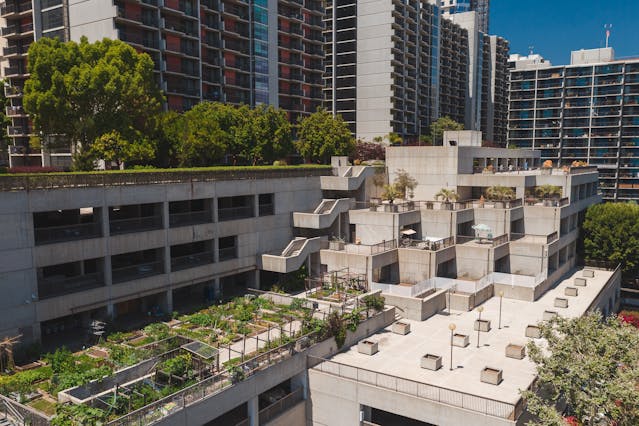
Gardening is one of your passions. The activity helps you relax and relieve your stress. Although you have finished creating a contemporary garden in your outdoor space, you still want to green your roof. Not long ago, you were seduced by the green roof. Also known as vegetated roof, green roof or vegetal roof, it is nothing other than a roof covered with vegetation.
Faced with urban atmospheric pollution, this green space on the roof helps support an ecologically responsible approach. It is generally installed on a concrete, steel, or wooden support. Beyond its aesthetic and eco-friendly aspect, the green roof is an excellent roofing waterproofing solution. It offers a number of significant advantages. To go further on the subject, this article reveals the essentials to consider about green roofs.
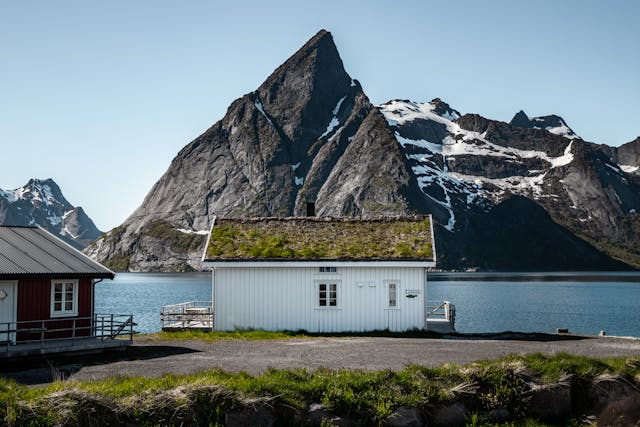
Summary: In my view, the installation of a vegetated roof is one of the most rewarding actions for an owner concerned about their environmental footprint. I consider this system not just as a simple roof, but as a true living ecosystem that offers incomparable natural thermal inertia. In my opinion, the comfort gain in summer, thanks to the evapotranspiration of plants, is much more pleasant than artificial air conditioning, while sustainably protecting the structure’s waterproofing against UV rays.
Which plants to choose for an extensive green roof?
Before answering this question, it is important to provide you with the definition of an extensive green roof. It is a vegetated area on the roof composed of a lightweight structure that can support small plants. These must be drought-resistant.
For example, you can cover your green roof with ground cover plants, lichens, bryophytes, herbaceous plants, succulents, poaceae, but especially sedums. The latter is able to grow in a thinner layer of substrate, which is the particularity of an extensive green roof.
Similarly, sedum requires little maintenance. It grows quickly, easily covering your roof. If you want to plant it on your vegetated roof, remember that there are several varieties. Sedum spurium, sedum spectabile, sedum gracile and white sedum are among the most used species.
If you live in a region where it is cold most of the time, it is advisable to choose white sedum. It tolerates frost and low temperatures without any problem. Beautiful to see, it stands out with its pretty white flowers throughout its flowering period.
As for spurium, it is one of the most widespread sedums since it grows quickly without specific maintenance. This plant is capable of creating a magnificent green carpet on your roof. For sedum spectabile and gracile, they are distinguished by their great resistance to drought.
During my first visit to a green rooftop terrace in the middle of July, I was struck by the silence. Usually, bitumen or metal roofs radiate stifling heat and resonate with every ambient noise. There, I felt an immediate freshness and a surprising acoustic absorption. That day, I realized that we could transform inert and gray surfaces into useful biodiversity spaces: seeing bees buzzing over a garage definitely convinced me of the relevance of this architectural approach.
What is the difference between an intensive and extensive green roof?
With your passion for gardening, you manage to create a small vegetable garden on your balcony. Your next project is to install a green roof. However, you can’t decide between an intensive and extensive green roof. To help you make a decision, let’s discover below the differences between them.
If you want to decorate your roof with a natural hanging garden, opt for an intensive green roof. It consists of flowers, grasses, trees, and shrubs that can grow in more than 30 cm of substrate. This thickness must be significant to allow their roots to develop.
To support this load, its installation requires a support made of unbreakable and durable concrete. It must be able to bear a water-filled weight of 500 kg up to 2 tons per square meter. Since it is a real living garden, you can insert creative garden accessories such as fountains or water points.
On the other hand, an extensive green roof limits your choice of plants to integrate. Unlike the intensive green roof, it allows for a much thinner substrate layer of 10 cm thickness at most. Since the substrate may seem thinner, it only accommodates succulent plants, especially sedums. Its load capacity is around 180 kg per square meter.
Unlike the intensive green roof, this type of roof can be applied not only on flat roofs but also on sloped ones. It is especially suitable for homes with limited surface area. The installation price is more affordable than that of an intensive green roof. Its installation is therefore within everyone’s reach.
What are the advantages of a green roof in the city?
When living in an urban area, space for gardening is often lacking. Fortunately, it is quite possible to green the roof, thanks to the green roof technique. It consists of several types of plants. Your roof can thus remain green throughout the year. In summer, it becomes increasingly flowery.
Know that this flower decoration brings an aesthetic touch to your home. Green also reduces stress and stimulates a positive attitude. With the hectic pace in the city, you need it so much to calmly face the harshness of daily life.
The benefits of a green roof do not stop there! When you garden a bunch of sedum on your extensive green roof, know that this cultivation significantly improves the acoustic insulation of the house. Especially since you live in the city, a sedum roof can reduce ambient noise.
That’s not all, the plants on the roof keep the freshness in summer and the warmth in winter. A better thermal insulator, this form of roofing thus makes the climate much more pleasant inside and outside the house, in all seasons.
Many homeowners also state that the existence of a green roof effectively purifies the air. It is capable of filtering harmful particles. Since many urban dwellings thus decide to equip themselves with one, it helps to eliminate polluting particles, improving the environment. Additionally, this type of roofing limits CO2 emissions. It attracts animals such as insects that contribute to local biodiversity.
Since it retains rainwater, it solves problems of stagnant water, preventing water infiltration and many other issues related to humidity in the house. The advantages of a green roof are numerous. Since the substrate and plants protect the roof’s waterproofing system, this allows its lifespan to be extended to approximately 40 years.
How to maintain a green roof throughout the seasons?
For this roof to remain in excellent condition, it is imperative to take care of it regularly. Its maintenance depends on multiple factors such as the type of vegetation, the climate, the roof slope, the substrate used, and the waterproofing system.
Generally, an extensive green roof requires little maintenance compared to an intensive green roof. In any case, please give importance to this operation to extend the roof’s lifespan.
Maintenance work can be divided into two stages. The first concerns the vegetation layer. To do this, remove debris such as dead leaves, stones, and branches. Pull out all unwanted weeds. Trim damaged or dry parts of the plants to improve their growth. This also allows you to give them a harmonious shape. And don’t forget to fertilize and water them.
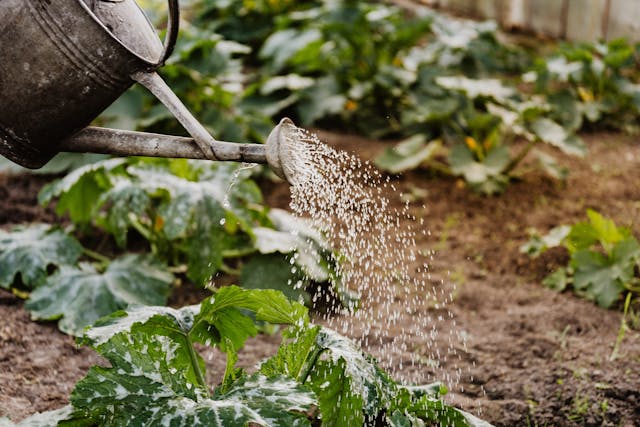
The second phase of maintenance relates to the irrigation system upkeep. To carry this out properly, check the operation of the water supply and irrigation. Clean the filters and look for leaks. Take the opportunity to examine the general condition of the roof. This helps you detect problems early and provide solutions.
As a rule, maintenance of the vegetated roof takes place in spring and autumn. Many people perform this operation before winter sets in, more precisely in November. Since it is work at height, it is essential to remain cautious to avoid accidents.
Does a green roof improve a house’s thermal insulation?
To insulate buildings, more and more households prefer to install a green roof. Among its notable advantages, it offers them significant energy savings, giving them an opportunity to save money.
The substrate layer and plants on the green roof ensure the thermal insulation of a dwelling. They significantly reduce the need for air conditioning as well as heating. The roof can retain heat in winter and reduce roof temperatures during warm days. In short, this type of roofing guarantees thermal comfort inside the house.
Even better, it can retain and absorb moisture, limiting the urban heat island effect. It thus ensures a pleasant temperature even in urban areas. Some green roofs are equipped with photovoltaic panels to generate renewable energy. Thanks to solar radiation, this energy is free, unlimited, ecological, and very economical.
With the different types of plants on the roof, this green space provides room for flora and fauna in cities to contribute to biodiversity. Not only does it provide thermal comfort in the home, but it also offers cleaner air in the surroundings. Know that this has a positive impact on your electricity bill. Stale air requires more energy to properly heat a room.
Comparison of types of greening
| Characteristic | Extensive Greening | Intensive Greening |
| Substrate thickness | 6 to 15 cm | More than 30 cm |
| Average weight (saturated) | 60 to 150 kg/m² | Up to 500 kg/m² or more |
| Type of plants | Sedums, mosses, grasses | Shrubs, vegetable garden, small trees |
| Maintenance | Very low (1 to 2 times per year) | Regular (watering, pruning) |
| Use | Decorative and insulating | True accessible garden |
What are the steps to install a green roof?
Intensive or extensive green roof, this type of green roof can be installed by following these phases:
To start, you need to create a frame on the edge of the roof to hold the substrate. You can make it out of metal or wood. Then, please reinforce the waterproofing with a tarp preferably of EPDM type. You can install it along the support.
Once finished, the next step is to install a drainage system. Its role is to store water in case of heavy rain, slowing down runoff or flow. During high heat, it also helps provide coolness.
Make sure the network is as light as possible to be supported by the roof structure. To do this, it is necessary to perform weight and load calculations considering the maximum water capacity.
Having done that, please now install the substrate. It should be noted that the plants of a green roof do not grow in soil. They need a reconstituted substrate replacing the earth. This nutrient composition guarantees the supply of water, nutrients, and oxygen which are among the essential elements for the rooting of vegetation.
As soon as the substrate is properly installed, all that remains is to choose the right plants. To avoid making a mistake, it is important to consider the climate before making your choice.
How much does it cost to install a green roof per square meter?
Intensive or extensive, the green roof continues to attract a number of people nowadays. Not only is it an ecological roof, but it is also a better natural insulator. Besides its aesthetic aspect, it serves to protect the roof from weather damage. It purifies the air by improving its quality. Due to its multiple advantages, it is not surprising that its installation price is high.
If you plan to add a green roof to your home, please budget accordingly. The price varies depending on several parameters including the type of green roof, labor cost, geographic area, and the configuration of the house on which it will be installed.
Due to the diversity of plants and the thick layer of substrate, an intensive green roof is more expensive to install than an extensive green roof. While the former requires an amount of approximately 100 to 300 euros per square meter, the latter is much cheaper. You can create it for only 20 to 70 euros per square meter. It must be said that the price difference seems significant.
If you plan to call on a professional, it is recommended to request several quotes to find the best price. In most cases, the team is also able to take care of the maintenance of the green roof. For an extensive green roof, maintenance costs range between 50 to 100 euros. On the other hand, the price for an intensive roof ranges between 100 to 200 euros.
What subsidies exist for the installation of green roofs?
To reduce energy production and achieve carbon neutrality, the French government offers various aids related to the acquisition of a green roof. They are dedicated to certain local authorities. To benefit from them, it is important to inquire with your Regional Council, as they may vary depending on the municipality.
Some people, for example, have the possibility to enjoy the 5.5% VAT since this subsidy is among the energy-saving processes. For those living in the Hauts-de-Seine department, the municipality finances up to 80% of the installation of a green roof, with 48 euros per square meter.
Many small and medium-sized enterprises or SMEs can also benefit from numerous schemes such as the Energy Tax Credit, the Energy Savings Loan or PEE, the Green Loan, and more.
Can you install a vegetable garden on a green roof?
Of course, it is entirely possible to accompany a green roof with a vegetable garden. As the latter gains popularity, growing fruits, herbs, and vegetables offers you an opportunity to enjoy organic harvests.
To achieve this, it is imperative to put a thick layer of soil on the roof. Thus, a vegetable garden on a green roof is only reserved for the intensive green roof. Make sure to guarantee waterproofing to avoid water infiltration and accelerate roof deterioration.
Once the insulating materials are installed, create squares to facilitate the maintenance of the vegetable garden and the placement of the substrate. As soon as the latter is spread, you can sow the seeds.
For beginners, it is advisable to favor plants that are easy to grow such as radishes, leeks, lettuces, spinach, zucchinis, pumpkins, carrots, and many other fine herbs. To ensure the growth and durability of the vegetable garden, sunlight exposure must be evaluated. Make sure the vegetation is not in the shadow of a neighboring building. If the area is too exposed, plan a tarping system against sun rays and wind.
What types of substrates are used for green roofs?
Any type of roof can be greened, including the lightest ones with reduced load-bearing capacity. For this, it does not mean installing heavy trays on the roof or putting tons of soil, but rather finding the right substrate. It ensures the survival of the vegetation and meets the technical constraints of the roof.
If you choose an extensive green roof, you can integrate a 10 cm thick layer of substrate. For an intensive green roof, this allows you to add up to 30 cm of substrate. Whatever the type of green roof, this fertile soil must ensure the growth of plants. You can make your choice based on their nutritional needs.
In order for the substrate to properly nourish the plants, please provide it with satisfactory organic matter and good quality aggregate. For the latter, volcanic rock, clay pellets, and pumice are able to retain and drain water in a balanced way. They guarantee the nutrition of plants over a long period.
Green roof: advantages and plants to successfully create your ecological installation
Generally, vegetation can be installed on a slope of up to 35°. Beyond 10° or 15°, it becomes essential to use substrate retention devices, such as grids or cells, to prevent the soil and plants from sliding during heavy rains.
For an extensive type roof composed of sedums, automatic watering is not necessary because these plants are extremely drought-resistant. However, manual watering can be useful during the first weeks after installation or during exceptional heatwave periods to maintain the density of the plant cover.
Yes, it is one of its major advantages. The substrate acts as a mass sound insulator while the vegetation dissipates sound waves. It is estimated that a green roof can reduce external airborne noise by 40 to 50 decibels, which is particularly appreciated in dense urban areas or near airports.