📋 Key points: Personally, I believe that choosing a species suited to the soil can increase growth speed by 30% compared to a poorly placed tree. It is crucial to understand that growth is not linear and strongly depends on the first years. On average, a fast-growing tree gains between 60 and 80 cm per year under good conditions.
Saving time and achieving a lush garden are among the expectations of any outdoor design enthusiast. When patience wears thin and the desire to see trees grow quickly arises, frustration can set in due to growth perceived as too slow. Choosing the right species and understanding their development helps avoid long years of waiting. Given the diversity of species and the complexity of criteria to consider, it becomes difficult to navigate without concrete reference points. That is why a treegrowthtable is the ideal tool to compare, anticipate, and succeed in your plantings, combining speed, robustness, and harmony in your living space.
🎒 On the ground: In 2021, I planted a Paulownia in my clay garden. While I was told it would have record growth, it only grew 10 cm the first year due to poor drainage. The lesson learned is that the tree’s genetics are not everything; preparing the planting hole remains the number one factor.
Which trees have the fastest growth and how to recognize them?
Tree growth varies greatly depending on the species and soil conditions. Some trees, like Paulownia or white willow, show rapid growth that impresses by their ability to reach several meters within the first years. Tree growth also depends on their adaptation to the local climate and the quality of the soil used during planting.
A tree growth table allows easy comparison of tree growth rates and identification of species best suited for a landscaping project. To achieve rapid development, it is advisable to favor trees known for their high annual growth and significant growth in centimeters.
🌟 Advantages
- Rapid garden shading
- Effective CO2 capture
- Immediate aesthetics
🔍 Considerations
- Wood often more fragile
- Roots sometimes invasive
Examples of fast-growing trees
- Paulownia: vegetative growth of 4 to 5 meters the first year
- White willow: annual growth of 1 to 2 meters
- Poplar: height growth of 2 to 3 meters under good conditions
- Black locust (false acacia): progressive growth of 1.8 to 2.4 meters per year
- Wild cherry: plantation growth of 50 to 70 centimeters per year
| Tree species | Annual growth | Height at 10 years | Ideal soil type |
|---|---|---|---|
| Poplar | 1.5 m to 2 m | 15 m | Moist |
| Weeping willow | 1 m to 1.2 m | 10 m | Fresh |
| Pedunculate oak | 30 cm to 50 cm | 4 m | Deep |
| Cedar of Lebanon | 20 cm to 40 cm | 3 m | Drained |
To succeed in your plantings, I advise you to consult my guide on sodium chlorate herbicide to properly prepare your ground. If you lack space in the soil, propagating a rose cutting in water can be an interesting alternative to quickly green your space. Finally, for large projects, don’t forget to check the labor cost for installing rigid fencing to protect your young shoots from pests.
What criteria influence the growth rate of trees?

Natural growth of trees depends on several factors such as sun exposure, water availability, and soil richness. Optimal growth is achieved with well-drained soil, regular nutrient inputs, and appropriate light exposure.
Root growth similarly conditions the growth of branches and the growth of leaves which allow the tree to reach an impressive height. Species with vigorous growth develop a deep root system, which strengthens their resilient growth against climatic hazards.
Key factors to promote growth
- Choosing a species adapted to the climate
- Planting during a favorable period (spring or autumn)
- Rich and well-drained soil
- Pruning and trimming to stimulate controlled growth
- Monitoring seasonal growth
🌍 Did you know?
Eucalyptus can absorb up to 100 liters of water per day to support its record growth, allowing it to reach 30 meters in just 10 years in its natural environment.
How to compare different species using a growth chart?
A tree comparison chart allows you to appreciate the ecological growth of each species and make an informed choice. This type of tool provides information on width growth, height growth, and foliage growth for each variety.
By compiling data on annual growth and development, this chart helps select trees based on the specific needs of the garden, whether it is to create a privacy screen, shade a terrace, or bring biodiversity.
Which fruit trees should be favored for rapid growth and early production?
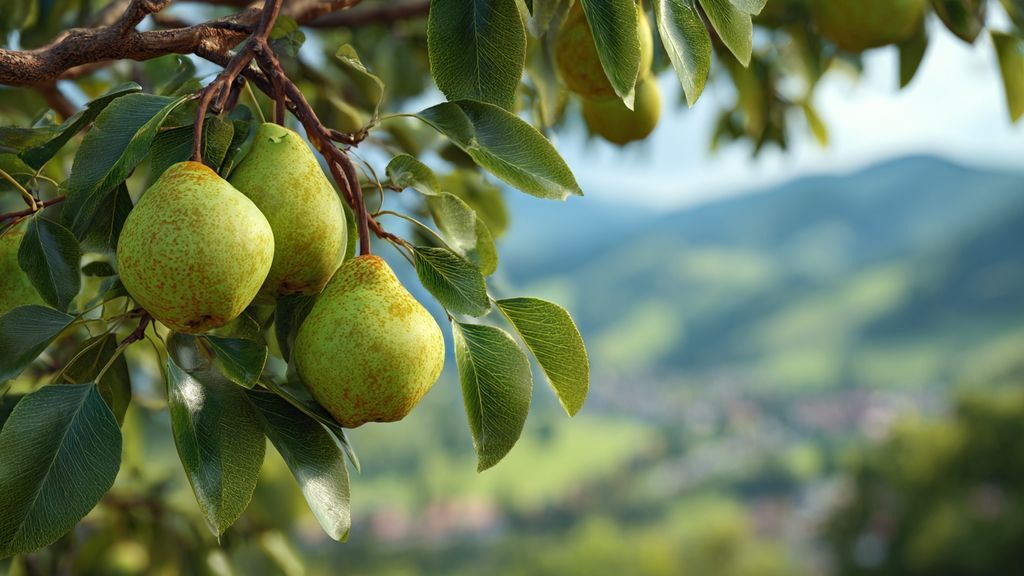
Fruit trees with rapid growth such as cherry, apple, or pear trees offer effective shrub growth while producing fruit from the first years. The fig and plum trees also show progressive growth with an interesting yield.
To ensure ecological growth and a good harvest, it is advisable to choose varieties adapted to the region and to ensure the quality of planting. Resistant growth ensures better longevity and sustainable productivity.
How to optimize tree growth from planting?
The success of plant growth depends on selecting container-grown or balled trees with healthy roots. It is important to avoid specimens with bare or deformed roots to promote rapid development from the first season.
Regular maintenance, appropriate watering, and careful pruning stimulate controlled growth and allow for vigorous growth as well as a harmonious shape. Adapting the choice of species to the garden size and local environment remains a guarantee of sustainable growth.
The Paulownia holds the world record for rapid growth, sometimes reaching more than 5 meters in one year under a temperate climate.
⚠️ Common misconception
Many think that adding a lot of fertilizer speeds up growth. This is false: excess nitrogen weakens cell tissues, making the tree more vulnerable to storms and diseases.
How to interpret data from a tree growth rate table?

A tree growth table provides essential information on the annual growth and width growth of each species. These figures guide the choice to create a harmonious garden adapted to your needs. Such a table highlights differences in progressive growth depending on the type of tree, which facilitates planting planning.
Analyzing foliage growth and branch growth helps anticipate necessary maintenance and the space to allocate around each tree. Species with rapid growth quickly gain height, which is suitable for quickly creating a plant screen or shade. Natural growth varies according to conditions, but the table allows estimating the expected average development.
Careful reading of a tree comparison table highlights species with vigorous growth or resistant growth against diseases and climatic variations. This comparison helps select trees adapted to a specific soil or a precise use, such as root growth for ground stability.
⏱️ Timing
Measure the terminal shoot of your trees every year on the same date, ideally at the end of November, to accurately assess their health and vigor.
Why does root growth influence growth rate?
Rootgrowth determines the absorption of water and nutrients. A well-developed root system promotes more regular widthgrowth and heightgrowth. Trees with deep roots better withstand dry periods and exhibit controlledgrowth over the long term.
What impact does seasonal growth have on tree development?
Seasonalgrowth determines the peaks of vegetativegrowth during spring and summer. Adaptation to the season influences leafgrowth and branchgrowth. Regular monitoring allows optimizing watering and fertilization to support ecologicalgrowth adapted to the local environment.
- Observe growth in centimeters each season
- Choose species with controlled growth for small spaces
- Favor trees with resistant growth to limit maintenance
- Promote vegetative growth adapted to your region’s climate
How to successfully integrate fast-growing trees into an urban garden?
Selecting fastgrowth trees for an urban garden relies on compatibility with available space and neighborhood constraints. A treegrowthchart helps choose species that do not exceed the desired height while ensuring optimalgrowth. Integration is based on planning plantgrowth to maintain balance with other vegetation.
Managing shrubgrowth and foliagegrowth optimizes shade provision without harming brightness. Regular maintenance promotes sustainablegrowth and limits heavy interventions. Trees with controlledgrowth are particularly suitable for small gardens or terrace edges.
Choosing species with resistantgrowth ensures adaptation to urban conditions such as pollution or summer drought. Careful planting, accompanied by monitoring annualgrowth, guarantees harmonious and rapid development.
What are the advantages of a comparative chart for urban plantings?
A treecomparisonchart simplifies selection by displaying key data on vegetativegrowth and branchgrowth. This tool helps anticipate the mature size of trees and limit risks related to proximity to buildings or underground networks.
How to maintain tree growth in an urban environment?
Regular maintenance, appropriate pruning, and targeted fertilization support vigorousgrowth even in the city. Monitoring leafgrowth and rootgrowth helps prevent problems and maintain healthy, balanced development.
- Assess annual growth according to available space
- Plant at a proper distance from infrastructures
- Promote ecological growth with natural mulching
- Monitor progressive growth to adjust pruning
- Choose species with controlled growth to limit interventions
Why consult a tree growth rate chart before making your choice?

Consulting a tree growth chart provides a clear view of the rapid growth or progressive growth of different species. This reference facilitates planning layouts, anticipating plant growth, and managing space. A thoughtful choice ensures sustainable growth and a garden tailored to your expectations, while limiting future interventions. Speed, development, and annual growth then become essential criteria to guarantee a thriving and easy-to-maintain outdoor space.
“Trees are the backbone of the landscape. Their growth shapes the future of the garden.”
FAQ on rapid tree growth and their landscape integration
Favor species whose adult size remains compatible with the available space and immediate environment. Consult annual growth data in a comparative table, check the vigor of the root system, and consider ease of maintenance to avoid uncontrolled expansion. Thoughtful planning allows for harmonious development, even in a small garden.
Regular watering, soil enriched with organic matter, and appropriate light exposure promote vigorous initial growth. Avoid drastic pruning in the first years and monitor root health. Natural mulching helps maintain moisture and limits weed competition, thus supporting optimal growth from planting.