The olive tree, a symbol of longevity and resilience, is nevertheless not immune to difficulties, even in a well-maintained environment. When an olive tree starts losing its leaves, the situation often causes concern and prompts a quick search for the cause. This reaction is legitimate, as leaf loss can reveal imbalances in care or environment. To find the correct diagnosis, a careful analysis of the observed signs and a precise evaluation of the growing conditions are necessary.
My editorial viewpoint: In my opinion, seeing one’s olive tree thin out causes disproportionate anxiety in the gardener, whereas it is often a sign of a tree communicating temporary stress. I believe the most common mistake is to try to compensate for this drop by heavy watering, which, in my view, finishes the tree off by root asphyxiation. My perspective on the matter is pragmatic: an olive tree losing its leaves is a tree making survival choices, and our role is to understand whether the signal comes from the sky, the soil, or a parasite before reaching for the pruning shears.
What are the main causes of leaf loss in the olive tree?
| Possible cause | Visual symptoms | Corrective action |
| Excess water | Leaves yellow and fall off limp | Stop watering: Then: drain the soil |
| Water stress | Leaves curl up and dry out | Slow, deep watering in the evening |
| Peacock eye (Fungal) | Dark circular spots with yellow halo | Treatment with Bordeaux mixture |
| Thermal shock | Sudden drop of green leaves | Protect from wind and mulch the base |
| Mineral deficiency | Discoloration of veins (chlorosis) | Apply special olive tree fertilizer in spring |
| Natural renewal | Old leaves inside the tree | No action (normal phenomenon in spring) |
The green and evergreen foliage of the olive tree sometimes gives the illusion of a plant without particular problems. Yet, this Mediterranean tree requires certain conditions to thrive. As soon as leaf loss appears, several factors such as water stress, inadequate watering, climatic variations, or even diseases may be responsible. Careful observation of the tree and its environment helps better pinpoint the true origin of the problem.
The analysis must focus on the soil moisture level, the frequency and quality of watering, light exposure, changes in temperatures, as well as the possible appearance of fungi or parasites. Examining each of these aspects methodically helps to quickly correct the situation and limit the impact on the olive tree’s vitality.
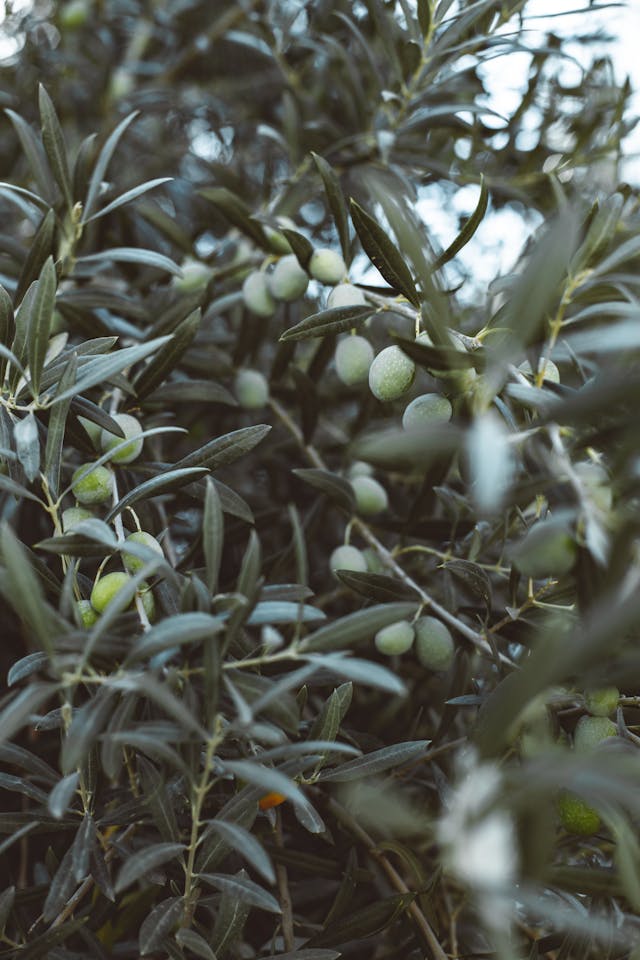
To revitalize a weakened subject, it is sometimes necessary to check if the exposure is still optimal. A well-conducted pruning with a power pruner will stimulate the growth of new vigorous shoots at the heart of the branches. Finally, if you want to offer a worthy setting to your centennial tree, you could create a contemporary garden or even a Chinese garden by playing with contrasts of mineral textures at its base.
How does watering influence the health of the olive tree?
Managing watering remains crucial to maintaining a healthy olive tree. This tree poorly tolerates both excess water and a sudden lack of water. Therefore, it is necessary to aim for a precise balance to avoid any water stress harmful to the plant.
Variations in soil moisture often lead to leaf loss if they become too pronounced. Too frequent watering deprives the roots of oxygen, causing yellowing and then leaf drop. Conversely, a lack of water prevents the roots from properly nourishing the tree, also leading to progressive defoliation.
What signs indicate excess water?
Excess water is one of the main causes of leaf loss in olive trees. When the roots remain submerged in soggy soil, they eventually suffocate. You then observe leaves that quickly yellow before falling. This phenomenon worsens when the temperature drops, as the cold slows sap circulation and accentuates symptoms related to excessive moisture.
Ensuring effective soil drainage becomes essential. In pots, it is crucial that water can drain through holes at the bottom of the container. In the garden, favoring light and loose soil limits the risk of water accumulation and facilitates recovery after an episode of inappropriate watering.
What signs reveal a lack of water?
Drought or too infrequent watering also cause leaf loss in olive trees. In this situation, the foliage browns or curls up, indicating significant water stress. Heatwaves combined with insufficient water supply strongly weaken the plant.
Regular monitoring of the substrate allows for quick detection of excessive drying. Adjusting watering according to the season, taking into account the specific needs of the olive tree, limits the effects of water shortage and reduces leaf loss.
What impact do light and temperature have on leaf loss?
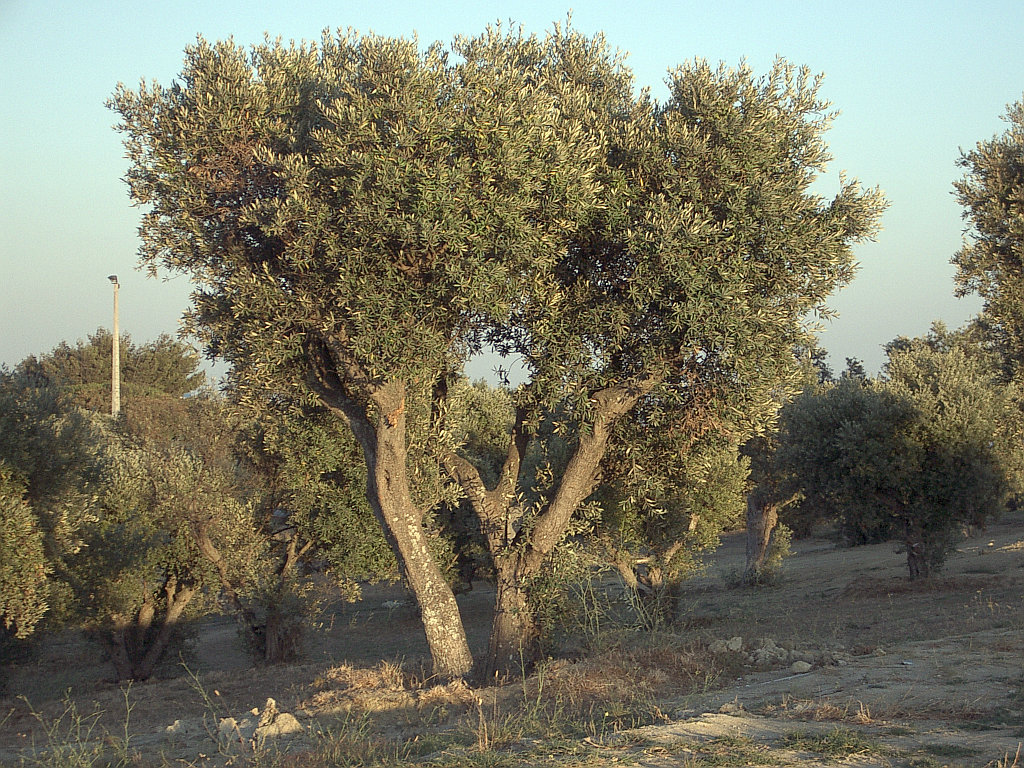
The olive tree, native to sunny regions, appreciates maximum light exposure. Lack of light hinders its growth, especially indoors or when placed in the shade. In this case, leaf drop occurs gradually, a sign of prolonged stress on the tree.
Beyond light, temperatures directly influence the health of the foliage. A cold snap followed by a thaw and then frost greatly weakens the tree. These sudden fluctuations cause physiological stress and accelerate the deterioration of the foliage, sometimes several weeks after the climatic event.
How to protect the olive tree against the cold?
Winter is a challenge for olive tree owners in cold regions. Frost particularly affects young trees or those grown in pots whose roots are exposed. Installing a winter cover and placing the plant near a south-facing wall offers protection against the cold.
If possible, bring the olive tree into a cold greenhouse or place it in a bright and sheltered space. Monitor nighttime temperatures, especially during winter peaks, as a sudden drop in temperature often leads to significant leaf loss.
What is the importance of light intensity?
Brightness conditions photosynthesis and thus the overall vigor of the olive tree. In case of lack of light, activity decreases, flowering becomes rare, and the tree sheds part of its foliage that is far from the light source.
Make sure to place the olive tree in a very bright area, in front of a window without thick curtains, or outside in an open spot during the warm season. If you need to bring the olive tree (in a pot) indoors, gradually adjust the exposure to avoid any additional light shock.
How to recognize diseases causing leaf loss?
Besides problems related to climate or water, diseases often contribute to leaf drop. A careful eye spots spots, abnormal discoloration, or a strange texture on leaves attacked by pathogens. Some fungi proliferate during cool and humid periods.
Sanitary management involves regular inspection of the foliage and branches’ appearance. Treating at the first signs with appropriate solutions, whether organic or not, limits the progression of diseases responsible for defoliation.
- Check the color, appearance, and condition of the leaves: black spots, powdery traces, or sticky appearance should raise alarms.
- Watch for the presence of harmful insects, such as scale insects or mites, which can weaken the tree.
- Apply a specific fungicide or insecticide treatment if necessary.
- Air out the canopy to reduce humidity favorable to fungal attacks.
I personally experienced great concern with an old potted olive tree that lost half of its foliage in just two weeks at the beginning of spring. The realization was immediate when I inspected the underside of the remaining leaves: it was neither thirst nor frost, but a massive attack of cycloconium, also called “peacock eye.” This experience taught me that an olive tree does not die from losing its leaves, but it exhausts itself if the fungal cause is not treated quickly. Since then, I monitor stagnant moisture at the base of my trees, a preventive reflection that has saved me many troubles in the following years.
Frequently asked questions about leaf loss in olive trees
Why is my olive tree suddenly losing all its leaves?
A very rapid leaf loss generally indicates significant stress. This often results from excess water or sudden exposure to cold. Sometimes, improper watering, alternating between dryness and heavy watering, further worsens the situation.
- Always check the soil moisture level before watering.
- Avoid sudden temperature changes.
What actions should be taken when the olive tree shows signs of water stress?
As soon as soft, dull, or easily falling leaves appear, immediately adjust the watering. Too much water requires quick drainage of the pot or plot, while a lack of water demands controlled and regular watering. Observe the soil surface and its moisture a few centimeters deep to adapt your watering.
- Reduce watering in winter, increase frequency during dry summer.
- Aerate the substrate if necessary to improve water distribution.
How to differentiate a disease from a simple water imbalance?
Diseases often cause the appearance of specific spots, deformities, or greasy aspects on the leaves, whereas a water imbalance rather leads to uniform discoloration and gradual leaf drop. Also inspect the trunk and branches for any additional abnormalities.
- Set up a comparison table to easily distinguish:
| Cause | Main Symptoms |
|---|---|
| Water stress | Yellowing, uniform leaf drop, wet or dry soil |
| Disease | Spots, bumps, suspicious exudates, presence of parasites |
What types of exposure are best to avoid leaf loss?
Always place the olive tree in a directly bright location, ideally outdoors from April to October. Protect it from cold wind and favor a south or southwest orientation. Lack of light promotes leaf drop, as do cold snaps at the end of winter or early spring.
- Place the tree near a well-exposed wall to gain a few degrees in winter.
- Limit rapid temperature fluctuations with a cover if necessary.