Whether for indoor or outdoor use, a protective tarp is ideally designed to protect various structures. Available in several models, it adapts to specific uses, which sometimes makes the choice difficult. To help you, we have outlined in this article 4 criteria to consider during selection.
Overview of the criteria: I consider a tarp not just a simple piece of plastic, but the first line of defense for your investments against the elements. In my opinion, the most common mistake is to underestimate the weight in favor of the price. I find that a heavy tarp, although more expensive, offers wind stability and UV resistance that make it much more economical in the long run. To me, it is a choice of peace of mind: it is better to invest once in a robust protection than to have to pick up plastic scraps after the first storm.
Consider the material in particular
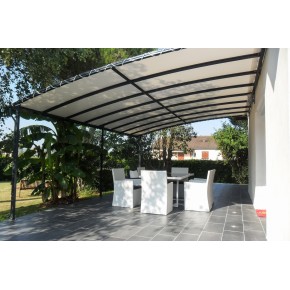
When choosing a protective tarp, the manufacturing material is a key element to examine. Indeed, it directly justifies its effectiveness and durability. The intended use must therefore be well defined in order to select an appropriate material. For example, a custom-made tarp designed for carpenters or roofers will have different requirements than a model intended for light protection.
For intensive outdoor use, materials such as PVC and polyethylene are recommended. These are weather-resistant and offer optimal waterproofing. On the other hand, polyester can be an interesting option if you plan to use your tarp for light requirements. It is the ideal material that offers flawless protection against UV rays and is best suited for light applications.
I learned the importance of quality the hard way during a roof renovation project on a particularly rainy autumn. I had opted for a “budget” tarp to cover a temporary opening. During a stormy night, the plastic eyelets literally popped under the pressure of the wind, letting water seep everywhere. That night, I realized that an effective tarp is defined by its reinforcements: since then, I swear by closely spaced metal eyelets and reinforced hems. This experience taught me that when it comes to protection, savings come from durability, not the price tag.
Pay attention to the size
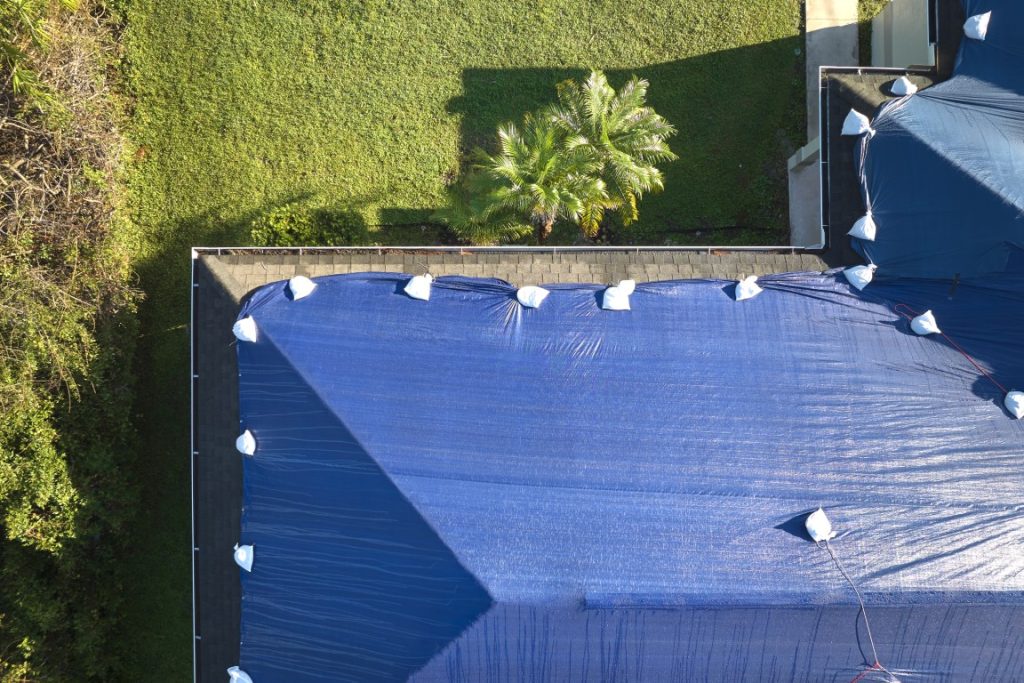
The size of a tarp plays a crucial role in its effectiveness. An improperly sized support can complicate installation, reduce effectiveness, or even cause inconveniences. To choose the right size, it is essential to measure precisely the surface of the object to be covered. By the way, leave a small extra margin to facilitate adjustment.
Moreover, a tarp that is too small may not fully protect the target area, while a tarp that is too large could cause difficulties during fastening. Therefore, it is important to favor a custom-made model. However, tarps with reinforcements on the edges and corners facilitate adjustment and offer increased stability.
Control the weight of the tarp
The thickness of the tarp, measured in terms of weight, is also a crucial criterion. It determines its robustness, density, and ability to meet your specific needs. Thus, the choice of weight will depend on the intensity of use you have planned.
A lightweight tarp with a weight between 50 and 200 g/m² is generally suitable for temporary uses. Models with thicknesses ranging from 200 to 500 g/m² are better suited for outdoor applications where increased resistance is required. Finally, tarps from 500 to 900 g/m² are ideal for demanding work or harsh environments. Although the latter are more effective, they can be heavier and more difficult to handle.
Consider the cost of the tarp
The price of a protective tarp varies depending on several parameters. These include the design material, thickness, and weight. Your budget should therefore be defined according to the intended use. Choose entry-level models for temporary needs. However, for durable or professional applications, it is better to opt for high-end tarps. They are certainly more expensive, but their performance and longevity are indisputable.
Selection table according to use
| Type of tarp | Recommended weight | Estimated lifespan | Recommended use |
| Light tarp (LDPE) | 80 to 100 g/m² | Several months | Paint protection, indoor dust |
| Standard tarp | 140 to 200 g/m² | 1 to 2 years | Firewood protection, summer furniture |
| Heavy tarp (PVC) | 400 to 600 g/m² | 5 to 10 years | Roofing, trailer, long-term protection |
| Reinforced tarp | 160 to 250 g/m² | 2 to 3 years | Garden greenhouses, wind-exposed construction sites |
FAQ: Protective tarp: 4 tips for choosing the right SEO keyword
Securing is as important as the tarp itself. It is strongly discouraged to screw directly through the plastic. Always use elastic bungee cords passed through the eyelets: this allows the tarp to “move” slightly without the anchor points suffering sudden shocks during gusts of wind.
A waterproof tarp completely blocks water but can trap moisture underneath, creating condensation and mold. A breathable tarp is essential for covering living materials like wood or for facade work: it lets water vapor escape while preventing rain from penetrating.
Most polyethylene (PE) tarps are recyclable if they are clean. However: PVC tarps or those soiled by paint or chemicals must be taken to a waste disposal center in the bulky waste stream. Before throwing it away, consider cutting out the still good parts to make small temporary protections for your future DIY projects.