Faced with heat loss in winter, the thermal anti-cold film is increasingly appealing to individuals looking to achieve energy savings while gaining thermal comfort. This discreet accessory helps to enhance window insulation without the need for major renovations. Thanks to its insulating qualities and ease of installation, it establishes itself as an economical solution to protect one’s home from the cold. But what do users really think? How does this product hold up over time?
Summary of my analysis: In my opinion, the thermal anti-cold film is the ultimate “first aid” solution for anyone dealing with freezing glass surfaces without being able to undertake major work. I believe this product in no way replaces high-performance double glazing, but it offers an invisible barrier against the cold wall effect that disrupts the comfort of a room. My editorial view is that it represents a negligible investment considering the immediate perceived gain, provided one accepts a careful installation to avoid unsightly reflections.
How the thermal anti-cold film works
The thermal anti-cold film comes in the form of a thin, transparent sheet to be applied directly onto glass surfaces. It acts as an additional barrier that limits thermal exchanges between the heated interior and the cold exterior. Manufacturers highlight the ease of application and the visual discretion in daily use.
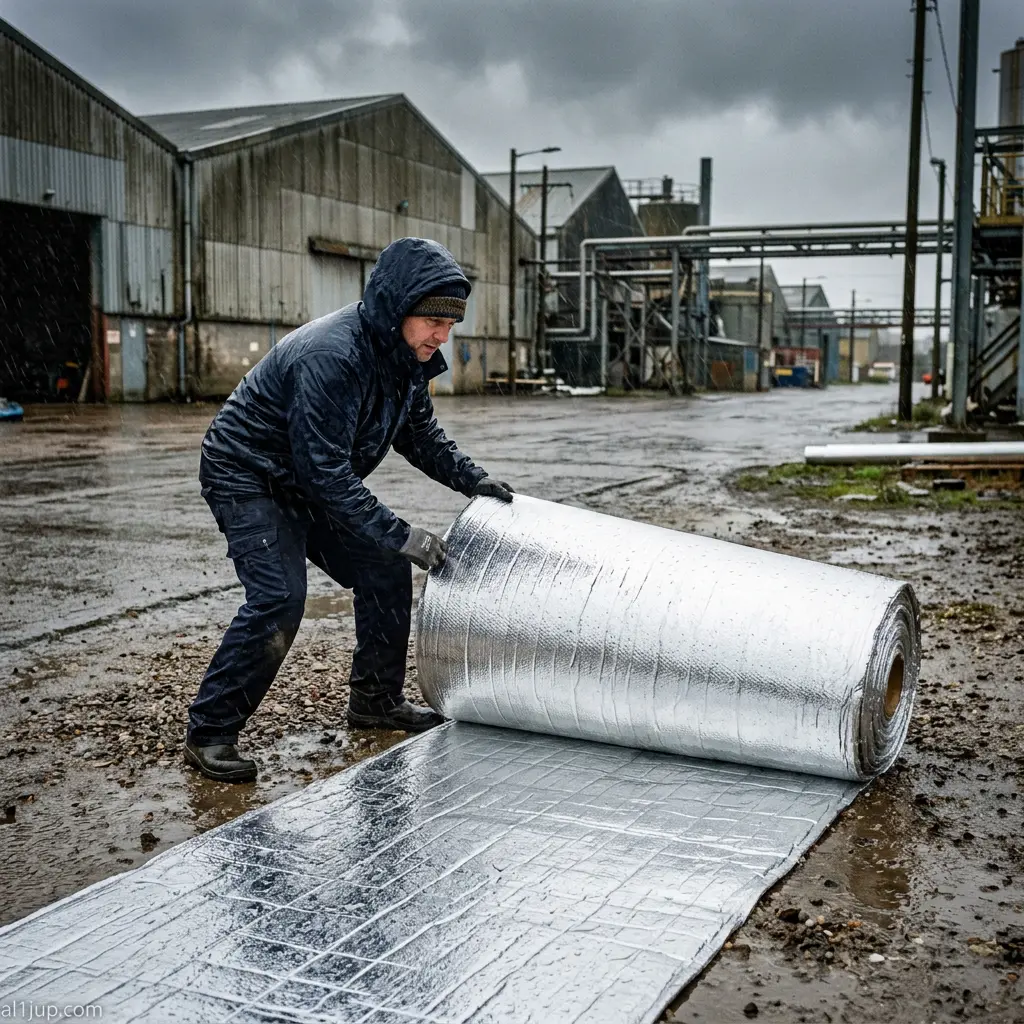
In practice, this solution does not replace double glazing but significantly improves the insulation of single or old windows. Some models feature an anti-UV treatment, reducing furniture fading while preserving indoor brightness.
To optimize the overall insulation of your openings, it is wise to check the sealing of the frames and consult a guide to choose high-performance windows well when planning a future replacement. If you notice cold air entering from under garage doors, you might learn how to effectively insulate a garage door to stop drafts. Finally, for large glazed surfaces like verandas, don’t forget to evaluate the price of a well-insulated veranda to compare the cost of a complete renovation against temporary solutions.
Thermal efficiency: what do user feedbacks say?
The thermal efficiency of the film depends on several factors: product quality, care taken during installation, and the type of window involved. According to many customer reviews, a marked reduction in the sensation of cold walls in winter is often observed, especially in older homes.
Regarding energy savings, users notice differences on their bills, particularly when multiple glazed surfaces are equipped. The reduction of cold drafts and condensation shows that a simple solution can have a significant impact on the overall thermal comfort of a room.
Practical advantages noted by users
Among the frequently cited positive points in customer reviews are the accessible economic cost, the quick installation, and the lack of required technical skills. The film adapts well to both large bay windows and small upstairs or basement windows.
The possibility to easily remove the film at the end of the season is also appreciated. Many DIY enthusiasts highlight this flexibility, ideal for rentals or to test the impact before investing more in window insulation.
Limitations encountered during long-term use
Alongside the advantages, durability sometimes raises concerns. Entry-level films show a certain fragility, with risks of creases or micro-tears during application or removal. While the thermal efficiency is generally satisfactory at first, some report a decline in performance after a few years, then requiring replacement of the film to maintain protection against the cold.
According to feedback, compatibility varies depending on the type of joinery: some very old windows or those with closely fitted shutters can complicate installation, which reduces the expected effectiveness.
Installation of the anti-cold thermal film
One of the main arguments in favor of the anti-cold thermal film remains its ease of installation. Most kits contain all necessary accessories: pre-cuttable sheets, double-sided adhesive tape, and explanatory instructions. No specialized tools are required.
Before application, it is essential to perform a thorough cleaning of the glass to avoid bubbles and premature peeling. The application requires carefully following the instructions, generally using a hairdryer to perfectly stretch the film. In less than an hour, a large bay window can thus be equipped.
- Custom cutting according to window size
- No need to drill or perform major work
- Easy removal without residual marks
- Quick installation time: generally between 20 minutes and 1 hour per window
Comparison: anti-cold thermal film versus other window insulation solutions
In light of user reviews, the anti-cold thermal film falls between a simple insulating seal and a complete glazing renovation. Its main asset lies in its efficiency/price ratio, suitable for small budgets or occasional needs.
A direct comparison helps to better understand its advantages and limitations:
| Solution | Thermal Efficiency | Durability | Average Price | Ease of Installation |
|---|---|---|---|---|
| Anti-cold thermal film | Medium to good | 1 to 3 years (or more depending on range) | Low to moderate | Very easy |
| Foam/rubber seal | Medium | 1 to 2 years | Very low | Easy |
| Glazing replacement | Excellent | More than 10 years | High | Difficult/professional required |
This table highlights that the thermal anti-cold film is particularly suitable for those who wish to improve their window insulation without undertaking major work or increasing their budget.
I personally tested applying thermal films on the windows of an old workshop whose wooden frames let a constant cold radiation through. The realization was immediate during the first freezing night: where the glass was usually untouchable, the film created an air cushion that stabilized the surface temperature. This experience taught me that insulation is often a matter of technical details rather than brute force. Since then, I recommend this tip to all my tenant friends, as it is a pragmatic approach to improving their energy performance certificate without depleting their capital.
Frequently asked questions about the thermal anti-cold film
How to properly install an anti-cold thermal film?
- Thoroughly clean the glass to ensure the film adheres properly.
- Cut the film to the exact dimensions of the window.
- Apply the provided adhesive tape all around the frame.
- Unroll and press the film, then lightly heat with a hairdryer to obtain a smooth, taut surface.
A careful application avoids wrinkles and ensures uniform insulation. Taking your time during adjustment greatly affects the final result and the protection against cold.
What is the actual lifespan of an anti-cold thermal film?
Generally, the durability ranges from 1 to 3 years depending on the chosen range and the care taken during installation and maintenance. A high-end model, installed on a clean surface, withstands handling better and retains its insulating properties longer.
- Economical films: annual replacement recommended
- Intermediate films: up to 3 winter seasons
- Removal and reinstallation possible depending on rigidity
Can an anti-cold thermal film be applied on all types of windows?
Yes, most films are suitable for the majority of glazed joinery (wood, PVC, aluminum), provided the surface is smooth. On curved, ornate windows or old poorly maintained frames, application can become more delicate and may require several attempts.
- Ideal on flat and recent surfaces
- Requires adjustments on old or irregular wood
What alternatives exist if the film is not enough to improve window insulation?
| Alternative | Thermal improvement | Simplicity |
|---|---|---|
| Installation of specific seals | Moderate | Simple |
| Thick thermal curtains | Good | Very simple |
| Glass replacement | Excellent | Difficult (professional) |
Adding thermal curtains, installing insulating seals, or replacing the glass provide complementary solutions to the installation of an anti-cold thermal film to enhance window insulation.