
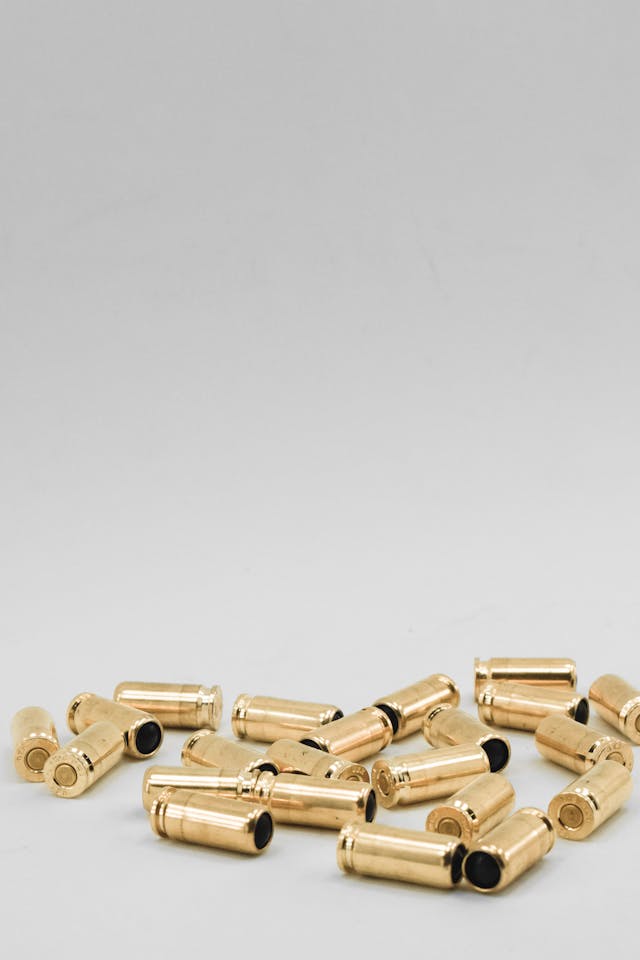
Why does your stock of yellow metal seem to lose its shine when weighed at the scrap yard? The price of brass, this precious alloy of copper and zinc, follows the nervous fluctuations of the LME where the copper price reached 11,891.00 USD per ton in March 2026. This guide breaks down the stock market mechanisms and sorting realities to reveal how to turn your old fittings or clean sockets into an optimized source of profit through meticulous preparation.
- Why does the price of brass fluctuate so much in 2026?
- 2026 Price grid according to the quality of your alloys
- 3 pro tips to boost your buyback price
- Successfully complete your transaction and understand the obligations
🗣️ My experience: During the clearance of an old workshop last March, I almost threw away a box of tarnished plumbing fittings, thinking they were worthless steel. Scraping the surface with a file, I discovered the characteristic yellow shine of brass. The lesson learned is radical: always carry a magnet, because if the object does not stick and is yellow under the patina, you have a little treasure that sells by weight at a golden price.
Why does the price of brass fluctuate so much in 2026?
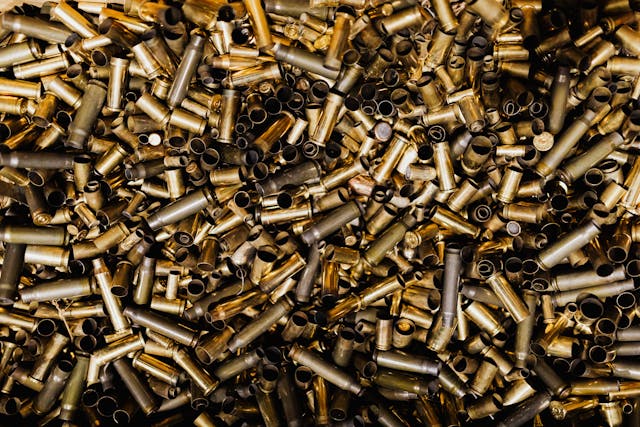
After a period of uncertainty, the non-ferrous metals market shows a complex dynamic that needs to be analyzed to anticipate your gains.
The direct influence of the copper price on the LME
The London Metal Exchange sets the pace. The price of brass closely follows these stock market curves. In fact, copper remains the conductor.
The copper-zinc ratio defines the final value. A high copper content systematically pushes prices upward amid strong global industrial demand.
Foundries react to global tensions. Stock prices jump at the slightest international shock. It is an almost organic market responsiveness.
- Copper LME: 11,891.00 USD / t
- 10-year change: +134.10%
The reality of margins at local scrap dealers
You have to separate the stock market price from physical reality. The scrap dealer must cover his overhead costs. His storage weighs heavily on his financial balance sheet. Here is a small comparison of direct sale vs scrap dealer:
🍀 Advantages
- Immediate payment (transfer/check)
- Ecological and useful clearance
- Recovery of unused waste
🔻 Limitations
- Requires a minimum volume (10-20kg)
- Stock prices fluctuate daily
The price displayed on stock exchange screens is never the one you will receive in cash or by check from your usual recycler.
For your renovation work, I suggest you consult our guide to replace a faucet which often uses brass parts. If you are clearing out a property, the article on house clearance and emptying also provides useful tips. Finally, for the financial aspect, discovering how to invest wisely offers interesting insight into wealth management.
Transport to refining centers is expensive. These logistical costs are deducted from the theoretical value of the batch. Your profit depends on this geographical proximity.
Volatility reigns in sorting centers. Prices shift from one morning to the next according to announcements. Each day brings its share of surprises.
🌍 Did you know?
Brass is infinitely recyclable without ever losing its mechanical properties. Recycling one kilo of brass saves about 80% of the energy required to produce primary metal from ore.
2026 pricing grid according to the quality of your alloys
Understanding stock market mechanisms is useful, but it is the exact nature of your stock that will determine the final amount on your weighing ticket.
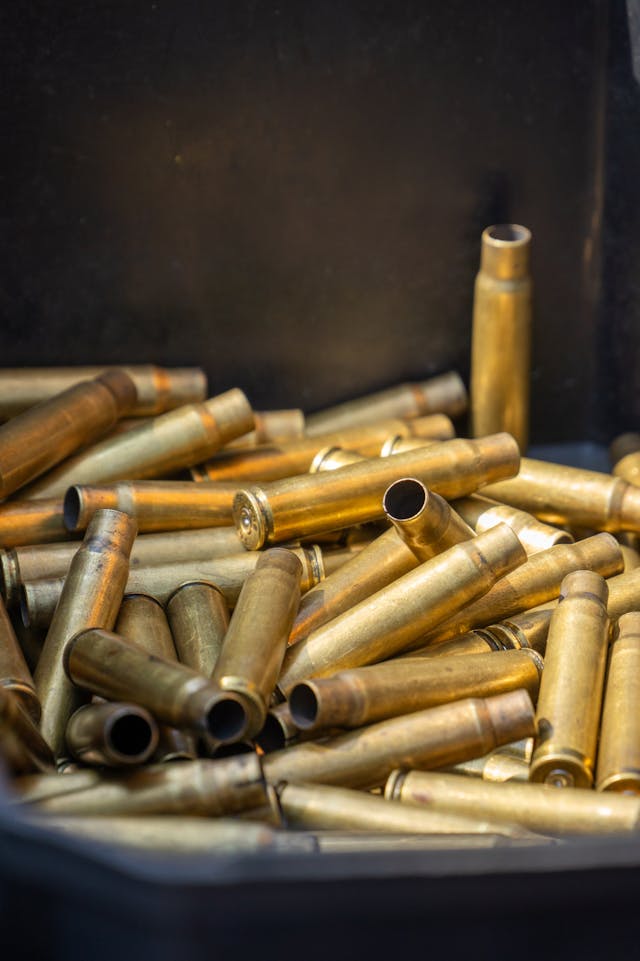
Valuation of mixed brass and turnings
Mixed brass includes everyday objects like old faucets or trinkets. It is the most common category.
Turnings suffer a discount due to cutting oils. This residue requires costly heat treatment which reduces the final purchase price.
The price of mixed brass ranges between €4.30 and €4.50 per kilo. It remains a safe value despite its relative purity.
The specific case of shell casings and clean brass
Ammo casings have excellent value if they are without primers. This care guarantees reaching the maximum price at the scrap yard.
Yellow brass represents the first category with new pieces without welding. The absence of limescale defines this highly sought-after superior quality.
Meticulous sorting boosts your profitability by avoiding markdowns. Separating these noble elements from the mixed scrap ensures a direct and simple financial gain.
⚠️ Classic trap
A common mistake is leaving steel screws or plastic handles attached to your brass pieces. The scrap dealer will automatically downgrade your batch to ‘mixed brass’, which can cost you up to 1 euro per kilo on the final price.
The massive impact of volume on the final price
Volume influences negotiation because scrap dealers prefer tons over kilos. This simplified logistics translates into better applied rates.
Loyalty allows negotiating a few extra cents per kilo. Quantity remains a powerful leverage for improving your overall profit.
Strategic storage limits unnecessary transport costs. Waiting for a significant volume is often the wisest method for each weighing.
| Type | Quality | Price/kg | Use |
|---|---|---|---|
| Mixed | Standard | €4.40 | Faucets |
| Turnings | Oily | €3.90 | Shavings |
| Shells | Clean | €5.00 | Shooting |
| Yellow | New | €5.30 | Scraps |
3 pro tips to boost your buyback price
To avoid leaving money on the table, there are simple methods to ensure your brass is bought at a premium price.
Identifying pure brass versus imitations
First, favor the visual method. Authentic brass sports a golden yellow, unlike red copper. Its shade must remain rich and uniform.
Then pass a magnet over each piece. If the metal sticks, it contains iron. Your brass price will then drastically drop at the scrap dealer.
Finally, scrape the surface with a file. The inner color must reveal a bright yellow. This shine confirms it is solid brass.
The magnet should not adhere. A file stroke must reveal a vivid yellow to confirm it is not just a plating.
Cleaning and removing non-metal impurities
Systematically remove plastics and seals. These elements pollute the weighing. They are considered useless waste on the scale.
Disassemble faucets to remove cartridges. Clean brass sells much better. A fitting still assembled will suffer an immediate markdown.
Scrutinize the inside of tubes. Excessive limescale or tartar penalizes the weight. Healthy metal guarantees a *better valuation* at buyback.
- Remove screws
- Remove plastic handles
- Separate fittings
- Clean paint deposits
🔧 Tip
To reliably identify chrome-plated brass (often confused with stainless steel or aluminum), use a magnet. If the object does not react, file a hidden corner: if the yellow color appears under the gray layer, it is high-value brass.
Successfully complete your transaction and understand the obligations
Once your stock is prepared, the final transaction must comply with a strict legal framework to guarantee your payment.
Physical preparation of metals before weighing
Organize your metals in separate bins by category. This method facilitates the weigher’s work. You thus avoid any unfortunate misjudgment.
Watch the weighing carefully on the weighbridge. Check that the tare is done correctly before unloading. Transparency remains the foundation of a healthy relationship.
Be honest about the contents. Mutual trust speeds up unloading.
Mandatory documents and legal payment methods
Cash payment for metal buybacks is strictly prohibited in France. Payment must be made by check or bank transfer. A valid ID is mandatory for the police register.
Forget cash bills once and for all. The law now requires payment by check or bank transfer. This measure aims to combat illegal trafficking.
French law prohibits any cash payment for metal buybacks, regardless of the transaction amount.
Present a valid ID at each visit. The recycler must keep a police register. They record the identity of each seller there.
Think about environmental traceability. Your action supports the circular economy. You actively participate in the reduction of global mining extraction.
Mastering the value of your alloys requires monitoring the copper price on the LME and carefully sorting your metals. To optimize your gains, purify your stocks before the regulatory weighing. Seize these recycling opportunities now to turn your scrap into a source of sustainable profit.
FAQ
What is the current price per kilo of brass at the scrap dealer in 2026?
For the year 2026, observed prices for standard quality brass are around €4.30 per kilo. However, it is essential to note that this price applies to “clean” metal; for example, your faucets must be stripped of their hoses and plastic parts to be accepted at this rate.
Keep in mind that these values are indexed to the constant fluctuations of copper on the London Metal Exchange (LME). Direct verification with your local sorting center remains the safest approach to obtain a precise quote down to the gram on the day of your visit.
How does the copper price influence the value of my brass?
Brass being an exceptional alloy composed mainly of copper and zinc, its market value closely follows the fluctuations of the copper price like a shadow. As of March 23, 2026, the LME Settlement quotation showed 11,891.00 USD per ton, or approximately 10,242.47 EUR, thus dictating an upward trend for all associated yellow metals.
This correlation is explained by the insatiable demand from the global construction and electronics sectors. When mining supply, notably from Chile or Peru, experiences tensions, the price of your brass stock immediately benefits.
What is the price difference between pure brass and brass mixed with scrap metal?
Purity is the key to maximizing your profits: a batch of brass mixed with scrap metal suffers a significant discount due to the complexity of sorting required in the foundry. By comparison, if clean mixed copper trades around €7.60/kg, its version containing iron and brass drastically drops to around €4.00/kg.
It is therefore financially very advantageous to take the time to separate your metals. A simple heterogeneous mix can halve the value of your contribution if the scrap dealer has to use their own resources to purify the batch before recycling.
What are the legal rules for payment of my metals in 2026?
French legislation is absolutely clear in regulating these transactions: any cash payment is strictly prohibited for the purchase of metals, regardless of the amount. You will systematically receive your payment by check or bank transfer, ensuring full traceability of the operation.
Furthermore, the scrap dealer has the legal obligation to record your identity in their police register. Be sure to bring a valid ID when you come, because without this document, no transaction can be finalized, thus ensuring the security and legality of the recycling chain.
Publications similaires :
 Thermal insulation, how to choose well?
 How to choose a good carpentry service for your construction project?
 Exposed aggregate concrete: Practical guide
 Choosing your electrical equipment for a safe installation
 Kitchen designer to avoid: the pitfalls for your kitchen in 2026
 Successfully completing your Habitatpresto work estimate with peace of mind