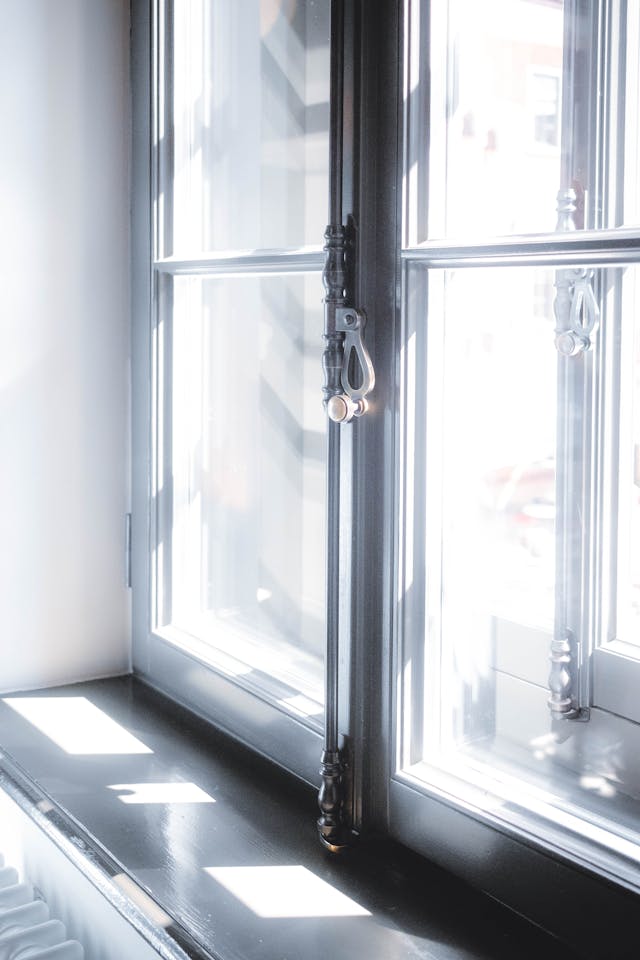
Faced with a dull facade or mismatched joinery, choosing which window sill color to adopt becomes a real aesthetic dilemma for many homeowners. This article guides you through the art of harmonizing your sills with the render and your frames, while respecting the strict constraints of the Local Urban Plan. You will discover how shades of pebble gray or sandy beige turn maintenance into a distant memory, giving your home a lasting and elegant mineral signature.
- The golden rules for matching the color of your window sills
- The impact of materials on visual appearance and longevity
- Light management and maintenance of outdoor shades
- Renovation and customization of existing window sills
🗣️ My experience: During the renovation of my house last summer, I had initially chosen white aluminum sills to match my windows. Big mistake: the slightest deposit of dust or pollution became a black streak visible from 50 meters away. The lesson learned is that it is better to favor slightly textured shades or sandy tones that mask climatic imperfections and require much less daily maintenance.
The golden rules for matching the color of your window sills
🌟 Positives
- Modernizes the overall appearance
- Increases property value
- Durable wall protection
🔻 Limitations
- Maintenance varies depending on the shade
- Possible regulatory constraints
After choosing your joinery, the next step is to link the aesthetics of the sills to the overall envelope of your house to avoid discordant notes.
The art of harmonizing sills with the facade and joinery
The balance between the color of the render and that of the frames is fundamental. The contrast must remain subtle so as not to clash. A too harsh shade breaks the visual unity.
Favoring chromatic continuity is a powerful trick. Using the same color as the window creates a modern monobloc effect. This simplifies the reading of the facade.
Beware of excessive colors. Three shades on a facade constitute a reasonable maximum. Beyond that, harmony fades in favor of a tiring visual disorder.
The constraints of the local urban plan and legal limits
Consulting the local urban plan (PLU) at the town hall is a mandatory step. Each municipality imposes its own rules on the exterior appearance. Never neglect this prior administrative procedure.
Areas protected by the Buildings of France impose strict rules. The palettes are limited to stone or earth tones. The choice then becomes very regulated.
Neutral colors remain preferred for successful integration. Bright shades are often prohibited. Check the color charts before deciding which window sill color to adopt.
Failure to comply with the colors imposed by the Local Urban Plan may result in an obligation to restore at your own expense after inspection.
The impact of materials on visual rendering and longevity
Beyond the simple chromatic aspect, the very nature of the support directly influences the perception of color and its durability over time.
Concrete, stone, and aluminum: mineral or industrial finishes
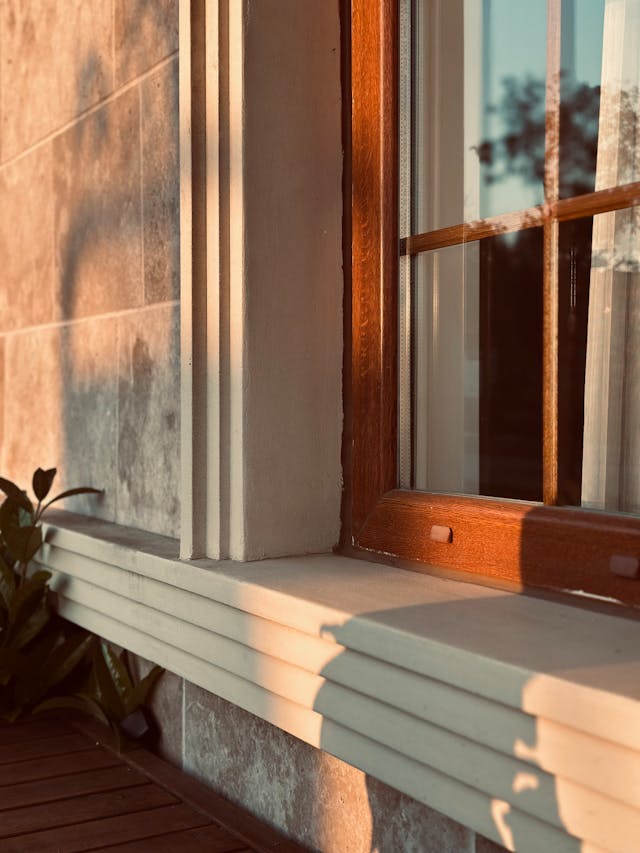
Raw concrete, gray and porous, contrasts with the nobility of natural stone. The rendering changes radically depending on the roughness of the chosen surface. The final appearance varies greatly.
Aluminum pairs perfectly with dark shades like anthracite. It is the ideal choice for contemporary houses. The matte finish brings a sober and elegant industrial touch.
The charm of wood and the impact of natural finishes
Oak or walnut bring incomparable warmth to openings. Each wood species has its own variation of natural brown. It is an authentic choice that transforms your facade.
Regular maintenance is necessary against UV rays. Stains must be renewed to prevent the wood from graying. Sun exposure remains the main enemy here.
To perfect your exterior, I suggest you consult our guide on paint color which can influence your color accents. If you have specific joinery, the article on Schuco PVC frames provides interesting insight. Finally, for facade finishes, discover our advice on trowel render for perfect harmony.
Comparison of resistance between matte, satin, and textured finishes
The modern look of matte contrasts with the practicality of satin. Satin reflects light but is easier to clean. It is a often wise compromise for your thresholds.
Textured finishes are recommended for their robustness. They effectively hide micro-scratches and fingerprints. It is a durable option for which window sill color to choose.
| Material | Recommended finish | Main advantage | Estimated durability |
|---|---|---|---|
| Concrete | Raw | Economical | High |
| Natural stone | Polished | High-end | Excellent |
| Aluminum | Powder-coated | Modern | Very high |
| Wood | Stained | Warmth | Medium |
Light management and maintenance of exterior shades
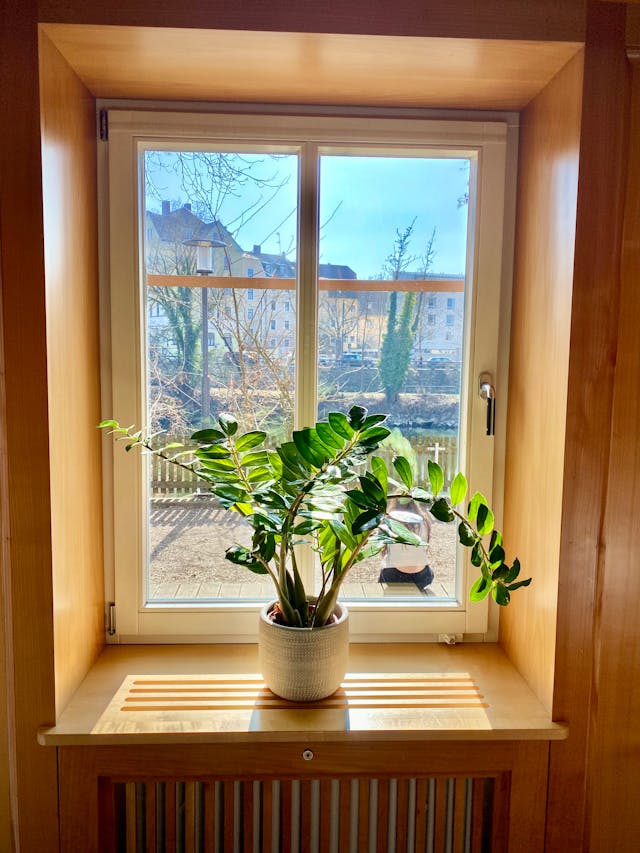
Choosing a beautiful shade is one thing, but anticipating its aging under the assaults of climate and pollution is another.
Which shades to choose to mask pollution and dirt?
Pure white is not recommended for your exterior window sills. This shade highlights the slightest dust or rain marks. Prefer duller tones like beige.
Pebble gray or sand prove to be formidable. These intermediate colors mimic natural dust. Thus, water streaks become almost invisible to the naked eye.
🌍 Did you know?
Using dark colors for window sills facing due south can increase the surface temperature of the element up to 60°C, which can affect the long-term sealing of the window’s silicone joint.
Urban pollution quickly marks light horizontal surfaces. Fine particles adhere tenaciously. A medium tone, however, requires much less frequent washing.
- Medium gray
- Sand beige
- Stone tone
- Earthy brown
Perception of shades under the influence of natural light
Cast shadows radically change the perceived color. A shade can appear gray in the shade and beige in the sun. This variation completely changes the look of your facade.
Using real samples is imperative to avoid mistakes. Never rely on a catalog. Place the tester on the sill and observe the result throughout the day.
Test your samples on site. Perception changes depending on the time and angle of sunlight.
The reflection from the ground also plays a role. Light bounces and can influence the saturation of your sill.
Renovation and customization of existing window sills
If your current sills look shabby, know that there are simple solutions to transform them without having to break everything.
Methodology for painting a concrete or stone sill yourself
Preparing the surface is essential. A high-pressure cleaning removes moss and grease. Without a clean surface, the paint will not hold.
Recommend the use of a special floor or facade paint. These products resist foot traffic and water stagnation. They offer protection against ambient humidity.
Detail the application in two crossed coats. Be sure to respect drying times between each coat. A careful finish guarantees a professional and durable result.
- Preparation: High-pressure cleaning and moss removal.
- Selection: High-resistance paint (type Ultrasol).
- Application: Two crossed coats with drying.
⚠️ Classic Pitfall
A common mistake is choosing a color without consulting your municipality’s PLU (Local Urban Plan). Some regions require specific shades (often stone or ochre tones) to preserve local architectural harmony, even for details like window sills.
Distinguish approaches between interior and exterior sills
The interior sill follows the room’s decoration. Here, the goal is to match it with the furniture or walls. Climatic constraints disappear entirely.
Highlight the use of noble materials such as marble or solid wood. Inside, waterproofing is no longer the top priority. The focus is entirely on pure aesthetics.
Remember that the exterior sill remains a technical element for water runoff. Its slope and drip edge are crucial to protect your walls. Never sacrifice technique.
The window sill is not just a decorative element; it is the first barrier against water infiltration under your joinery.
To succeed, ask yourself which window sill color will harmonize best with your facade while hiding dust.
🔧 Tip
For a flawless finish, choose a paint with a satin finish rather than matte for your sills. This facilitates rainwater runoff and prevents pollution particles from embedding in the substrate’s porosity.
Enhance your facade by prioritizing chromatic harmony between your joinery and thresholds, while imperatively consulting the local urban planning regulations. Opt for neutral or stone tones to sustainably mask dirt. A coherent window sill color choice will instantly transform the look of your home.
FAQ
Which shade should be favored for the window sill to achieve perfect harmony with the facade?
The elegance of a home often lies in the subtlety of its combinations. For a result imbued with modernity and clarity, white sill stands out as a radiant choice, especially if paired with white PVC or sand-colored joinery. It is an option that immediately breathes freshness into the architectural envelope.
However, aesthetic wisdom often leans towards neutral tones such as beige, light gray, or taupe. These shades, true chameleons of exterior decoration, blend remarkably well with most plasters. Beige infuses a warm softness, while gray underscores a decidedly contemporary character, all while offering the valuable virtue of masking the ravages of time and dust.
Is it better to choose a threshold the same color as the joinery?
Adopting the same color identity for the threshold and the window is the royal path to a clean and flawless aesthetic. This visual continuity creates a very attractive monochrome block that simplifies the reading of the facade. It is the ideal solution for those seeking smooth harmony and minimalist design.
However, allowing yourself a slight step aside can enhance the architecture. A delicate contrast, such as a mouse gray sill highlighting an anthracite window, provides striking relief and enhances the frame. The essential thing is to stay within the same color family to avoid any visual cacophony that would break the unity of your home.
What are the easiest shades to maintain for exterior sills?
If beauty is a quest, practicality remains a daily necessity. Intermediate shades like medium gray, taupe, or sandy beige are the allies of savvy homeowners. Unlike pure white, which reveals the slightest particle of pollution or rain trace, these muted tones mimic natural dust and brilliantly hide small imperfections.
For lovers of natural materials, oiled wood or wood imitations also offer a very decent maintenance management. On the other hand, dark or very light materials require more sustained attention to preserve their original splendor against the assaults of climate and urban pollution.
Are there legal obligations regarding the color of window sills?
Before letting your imagination run free, it is imperative to consult the Local Urban Plan (PLU) at the town hall. In many municipalities, and especially within areas protected by the Buildings of France, the authorized palette is strictly regulated. Stone, earth tones, or mineral shades are often favored to preserve the landscape unity and local heritage.
Failure to comply with these directives can lead to unfortunate administrative complications. Regulations generally prohibit overly bright colors in favor of discreet integration into the environment. A visit to municipal services will allow you to choose your color chart with complete peace of mind, in accordance with the requirements of your locality.
Can the color of an already installed window sill be changed?
Giving new life to tired thresholds is a completely achievable adventure with a bit of method. For concrete or stone sills, applying a specialized exterior paint for facades or floors allows a spectacular transformation. These products are designed to withstand stagnant moisture and thermal variations while offering durable protection.
The key to such renewal lies in meticulous preparation: a thorough cleaning is essential to ensure pigment adhesion. By opting for neutral tones or classic white during this renovation, you not only ensure simplified execution but also a restored elegance that will instantly enhance your openings.