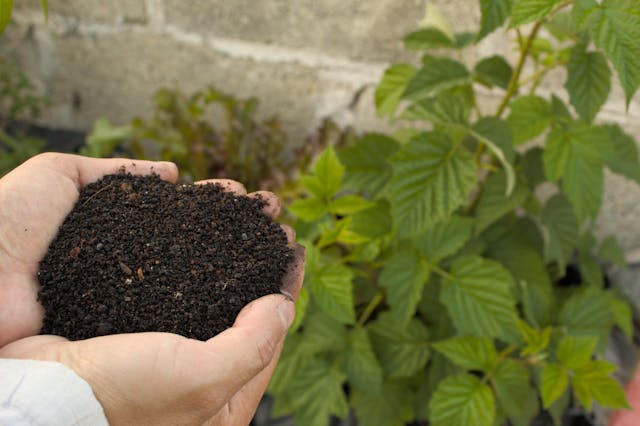
Your plants are stagnating despite your care and the cost of commercial solutions weighs on your budget? Learning to make homemade hydroponic fertilizer transforms your organic waste into a precise nutrient elixir, guaranteeing vigorous growth at a lower cost. This guide reveals recipes based on compost or ashes to master the NPK ratio and stabilize your system with formidable efficiency.
- The pillars of plant nutrition in soilless cultivation
- 3 homemade recipes to make your own hydroponic fertilizer
- How to stabilize the pH and EC of your mixture?
- Reservoir maintenance and prevention of technical failures
🎒 On the ground: During my first attempt with cherry tomatoes, I used a classic fertilizer poorly diluted: my roots burned in less than 48 hours. I had to invest in a 15 euro EC tester to understand that my solution was three times too concentrated. The lesson learned is that precision dosing to the gram is the only guarantee of success in soilless cultivation.
The pillars of plant nutrition in soilless cultivation
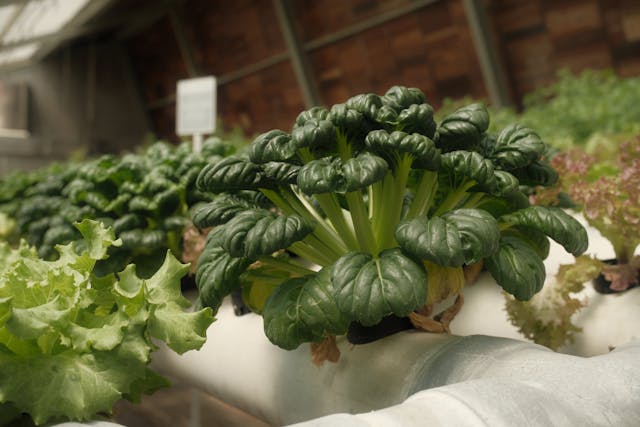
We often imagine that making your own homemade hydroponic fertilizer involves complex chemistry. Yet, the magic happens as soon as you understand the vital needs of plants before handling any nutrient solution.
Understanding the role of the N-P-K trio and trace elements
Nitrogen boosts leaves, phosphorus strengthens roots, and potassium ensures overall vigor. Without this balanced dosing, the plant stagnates or quickly withers.
Iron and magnesium activate photosynthesis like indispensable catalysts. These elements help keep foliage green and vibrant.
- Nitrogen (N) for structure.
- Phosphorus (P) for energy.
- Potassium (K) for resistance.
Adapting inputs according to the growth or flowering cycle
The plant changes its regime as it grows. In the vegetative phase, it demands a lot of nitrogen. To flower, it suddenly requires more phosphorus and potassium.
Chelation optimizes absorption by surrounding metals to keep them soluble. Roots then capture nutrients effortlessly, even if the environment varies.
An inappropriate dosage for the growth stage blocks development and ruins your chances of an abundant harvest.
Manage the oxygenation and temperature of the reservoir
Warm water holds oxygen poorly. If your reservoir exceeds twenty-four degrees, the roots suffocate. The risk of rot then becomes an immediate threat.
Critical threshold: 24°C. Risk: Root rot. Solution: Air pumps.
Use air pumps to keep the solution cool. This is the secret to a white and vigorous root system.
Total darkness of the reservoir prevents algae from proliferating. These consume the oxygen intended for your plants.
To optimize your setup, I recommend looking at how to store rainwater for a pure base. The article on baking soda can also help you regulate pH naturally. And to go further, discovering the secrets of natural pools provides interesting insight into the biological balance of water.
3 DIY recipes to make your own homemade hydroponic fertilizer
🍀 Advantages
- Massive savings in the long term
- Adjustable dosage according to the plant
- Zero unnecessary additives
🔻 Limitations
- Requires measuring equipment (scale, EC)
- Longer preparation time
Moving from theory to practice requires a bit of cooking, but the savings made are well worth it.
Prepare a compost tea or plant extracts
Mix one kilogram of mature compost in ten liters of water. Let infuse for forty-eight hours with an aerator. This maceration releases beneficial microorganisms. Filter very finely before use to protect your pipes.
Nettle also works very well for nitrogen. Avoid fermentations that are too long and smell bad. A fresh tea is always more effective for plant health.
Watch the smell of the mixture. It should remain earthy and never putrid.
Use ashes and feathers for potash and nitrogen
Wood ashes provide pure potassium. Dilute one tablespoon per liter of water. Be careful, this raises the pH very abruptly and quickly.
Crushed feathers provide slow-release nitrogen. This is an effective grandmother’s trick in organic hydroponics. They must be well decomposed before being introduced.
| Ingredient | Nutrient | Dosage / 10L | Caution |
|---|---|---|---|
| Ashes | Potassium | 1 tbsp | Unstable pH |
| Feathers | Nitrogen | 2 handfuls | Slowness |
| Compost | Complete | 1 kg | Filtration |
| Nettle | Nitrogen/Iron | 1 kg | Odor |
Combining natural ingredients and mineral supplements
The hybrid mix offers the best of both worlds. Minerals ensure precise dosing. The natural provides vitamins and precious fulvic acids.
Store your mother solutions in a cool, dark place. Light quickly degrades organic nutrients. Label your preparations with the date and exact composition to avoid any mistakes.
Never prepare too large volumes. Freshness guarantees stability.
📦 Storage
Keep your mother solutions in opaque bottles away from light. UV rays can degrade iron chelates and promote the growth of green algae in your fertilizer.
How to stabilize the pH and EC of your mixture?
Now that the soup is ready, you need to ensure that the plants can actually absorb it without poisoning themselves.
Maintain acidity between 5.5 and 6.5 for total absorption
pH varies because roots release ions. If the water becomes too alkaline, nutrients get locked up. The plant then starves in front of a full buffet.
Aim between 5.5 and 6.5 to guarantee the solubility of minerals in your homemade hydroponic fertilizer.
Use vinegar or citric acid to lower the pH. Go drop by drop. A too abrupt correction stresses the roots and stops clear growth.
Test your solution daily. It is the only really essential routine.
Measure electrical conductivity to avoid overdosing
EC measures the actual concentration of mineral salts. A young plant needs little food. Too many salts burn fragile tissues by reverse osmosis.
If water evaporates, the concentration rises dangerously. Simply add clear water to dilute the mixture. Keep an eye on your tester to avoid accidents.
⚠️ Classic trap
Never mix your calcium and phosphate concentrates in pure form. They will react to form calcium phosphate precipitate (an insoluble solid), making nutrients unavailable to your plants.
Excess fertilizer is harder to recover from than a slight temporary deficiency.
Tank maintenance and prevention of technical failures
Finally, let us not forget that plumbing is the heart of your garden; neglect it and everything stops.
Filter the solution to protect pumps and drippers
Homemade fertilizers often contain solid residues. These particles clog pumps within hours. A fine mesh filter is therefore mandatory at the tank outlet.
Clean your filters at least once a week. Use an old stocking for effective DIY filtration. This saves your pumps and ensures a constant flow everywhere.
Check each dripper individually. One oversight can kill an isolated plant.
Diagnose deficiencies and renew the nutrient solution
Yellow leaves often indicate a nitrogen deficiency. Brown roots signal suffocation or a fungus. Observe your plants every morning with great attention.
Change the entire solution every two weeks. Organic waste accumulates and disrupts everything. A clean tank is the foundation of healthy cultivation.
- Yellow leaves (nitrogen deficiency)
- Burnt tips (overdose)
- Slimy roots (lack of oxygen)
Using a homemade hydroponic fertilizer requires constant vigilance. Rigorous monitoring guarantees a bountiful harvest and avoids unpleasant technical surprises.
Mastering the N-P-K balance, monitoring oxygenation, and recycling your organic matter transform your soilless culture into a thriving ecosystem. By concocting your own nutrient solution for hydroponics, you offer your roots unmatched vigor while making valuable savings. Act now to soon enjoy a handcrafted, healthy, and spectacular harvest.
🌍 Did you know?
Warm water holds much less oxygen than cold water. If your solution exceeds 24°C, your plants risk root suffocation, even with the best fertilizer in the world!
FAQ
Is it really possible to design an effective hydroponic fertilizer yourself?
Absolutely, creating a homemade nutrient solution is an adventure as economical as it is ecological. By using organic materials like mature compost, nettles, or even feathers, you obtain rich liquid preparations that nourish plants with surprising precision. The process relies on macerating these elements in water, followed by meticulous filtration to avoid clogging distribution systems.
What are the best natural recipes to feed my soilless plants?
Compost tea is a classic: simply let an equal parts mixture of compost and water infuse for twenty-four hours before filtering it. For a massive nitrogen boost, macerating plant leaves or feathers (two handfuls for eight liters of water) works wonders. Finally, wood ash, diluted at two kilos per ten liters of water, is an exceptional source of potash and trace elements.
How to adjust the dosage of my homemade fertilizer according to the growth stage?
The plant is a gourmand whose tastes evolve: during its vegetative phase, it demands a dominance of nitrogen to develop lush foliage. When the time for flowering or fruiting arrives, it is advisable to favor phosphorus and potassium, found in ash, to stimulate the emergence of buds and the ripening of fruits. Adjusting the N-P-K ratio is the secret to a generous harvest.
Why is it crucial to monitor the pH and EC of your homemade solution?
pH acts like the key opening the door to nutrients; if it strays from the ideal range (5.5 to 6.5), the plant withers despite abundant food. EC, or electrical conductivity, measures the concentration of mineral salts to avoid fatal overdoses. Daily vigilance allows you to correct the course, for example by adding clear water if the solution becomes too concentrated due to evaporation.
How often should the reservoir liquid be completely renewed?
To maintain a healthy and vigorous environment, a complete solution change is recommended about every fifteen days. This renewal eliminates accumulated organic waste and rebalances nutrient inputs. In small, fast-growing systems, this rotation may even be necessary weekly to prevent the appearance of algae or unwanted pathogens.
What precautions should be taken when using wood ash in hydroponics?
Ash is a powerful but fickle ally, as its pH is extremely alkaline, ranging between 10 and 13. It must be used sparingly so as not to block the absorption of other nutrients. It is imperative to use only ash from untreated natural wood, as reclaimed wood can release toxic heavy metals for your indoor garden.