Smoke extraction is one of the key elements of corporate fire safety, especially in tropical regions like the Antilles. Indeed, it is a device that facilitates the evacuation of smoke and hot gases in case of fire, in order to save human lives as well as real estate and material assets.
But how can you ensure that your building located in the Antilles complies with smoke extraction standards? What are the legal obligations to respect and the steps to follow to guarantee a proper installation? This article provides you with all the answers.
📋 The essentials at a glance: Personally, I consider smoke extraction in the Antilles a unique challenge because it must reconcile fire safety and resistance to extreme cyclonic winds. Did you know that 80% of deaths during a fire are due to inhalation of toxic smoke and not flames? I recommend increased vigilance on the maintenance of vents, often subjected to accelerated saline corrosion that can block safety mechanisms.
Best practices to ensure compliant smoke extraction in the Antilles
Beyond legal obligations, certain practices enhance fire safety and reduce the risk of non-compliance. Here are the best approaches to prioritize:
- Call on a specialized design office to assess the building’s configuration.
- Favor materials resistant to tropical climatic conditions (wind, humidity, corrosion).
- Install smoke extraction systems adapted to the type of use (ERP, housing, warehouse).
- Plan mandatory periodic inspections to verify the proper functioning of the device.
- Train staff and occupants on evacuation procedures and equipment use.
- Provide for annual preventive maintenance to limit the risk of failure in an emergency.
📍 My experience: In 2025, during an audit of a shopping center in Martinique, we discovered that the smoke extraction hatches on the roof were welded shut by saline corrosion. In case of fire, no smoke could have escaped. The lesson learned is vital: in the Antilles, one real test per year is not enough. Semi-annual lubrication of the shafts with marine-grade products is the only way to ensure the system will work on the day.
Smoke extraction in Guadeloupe: a strict legal framework
Smoke extraction in Guadeloupe, like in other French territories, is subject to a strict legal framework designed to ensure the safety of people and property in case of fire.
This regulation, incorporating national standards and adapted to local specificities, aims to facilitate the evacuation of occupants and the intervention of emergency services by keeping circulation routes free of smoke.
In Guadeloupe, the rules relating to smoke extraction fall within the broader framework of fire safety regulations applicable to residential buildings, establishments open to the public (ERP), as well as professional activity buildings.
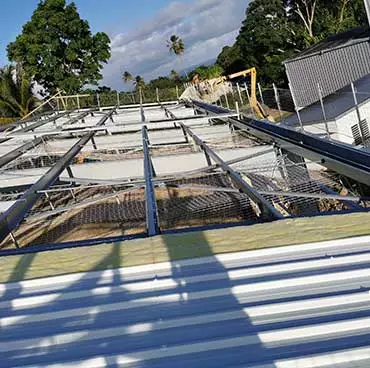
These regulations require the installation of effective smoke extraction systems, designed to limit the spread of toxic smoke, thereby preserving human life and facilitating access for rescuers.
The building and housing code, as well as the fire safety regulations in Guadeloupe related to public buildings (ERP), detail the specific obligations regarding smoke extraction, including design criteria, performance requirements, and regular maintenance procedures.
These legal provisions also require building owners and operators to carry out periodic inspections by accredited organizations to verify the compliance and effectiveness of smoke extraction installations.
In response to the challenges posed by the tropical climate and extreme weather events, such as hurricanes, which can impact Guadeloupe, the local regulations include additional technical specifications.
The latter aim to ensure that smoke extraction systems remain operational even under adverse environmental conditions, thus providing optimal protection throughout the year.
The strict enforcement of this rigorous legal framework regarding smoke extraction is crucial for fire risk prevention in Guadeloupe.
It represents a major issue for the safety of residents and visitors, requiring constant vigilance from the competent authorities, building and fire safety professionals, as well as every individual living or working on the island. The following section presents the advantages of natural smoke extraction:
🌟 Natural Advantages
- Zero electrical consumption
- Simplified maintenance
- No motor noise
🔻 Mechanical Limitations
- Requires backup power unit
- Significant vibrations
Essential criteria for evaluating the compliance of a smoke extraction system in the caribbean
🌍 Did you know?
In the Caribbean, the air temperature under roofs can reach 60°C. If the smoke extraction system is poorly adjusted, unintended triggering of thermal fuses can occur without any fire, simply due to the accumulation of solar heat.
The choice and maintenance of the smoke extraction system must take several parameters into account. The table below summarizes the essential criteria to verify:
| Compliance Criterion | Importance | Recommended Actions |
|---|---|---|
| Building Type | ERP, residential, warehouse or high-rise buildings do not have the same legal obligations. | Check the regulations applicable to the type of construction. |
| Local Standards | Adaptation of French regulations to the climatic specificities of the Antilles. | Respect notably the decree of June 25, 1980 and the NF S 61-931 / 932 standards. |
| Weather Resistance | Systems must operate despite humidity, heat, and hurricanes. | Choose equipment certified resistant to corrosion and strong winds. |
| Inspection Frequency | Some installations require semi-annual checks, others annual. | Plan a schedule of mandatory inspections by an approved organization. |
| Staff Training | Occupants and managers must know how to react in case of fire. | Organize regular evacuation drills and appropriate training. |
| Preventive Maintenance | Ensures long-term proper functioning. | Cleaning, replacement of worn parts, and documented technical follow-up. |
💡 Practical Tip
Always favor mechanisms made of anodized aluminum or 316L stainless steel (marine quality). The initial 20% extra cost is recouped in less than 3 years by avoiding replacement of parts blocked by rust.
Covered warehouses subject to authorization 1510
Covered warehouses subject to authorization 1510 in Guadeloupe are, like other ERPs, concerned by the smoke extraction system. To ensure optimal safety for occupants and stored equipment, these establishments must comply with current standards, particularly regarding the installation and maintenance of smoke extraction systems.
Fire pump rooms
Fire pump rooms are a key element in fire prevention and firefighting within buildings. These technical spaces generally include one or more smoke extraction pumps, a network of pipes, and control equipment ensuring their continuous proper operation.
French regulations require that these rooms be equipped with a smoke extraction system certified compliant with the standards set out in the amended decree of June 25, 1980 relating to protection.
Ensuring the compliance of your installation: Steps and stakes
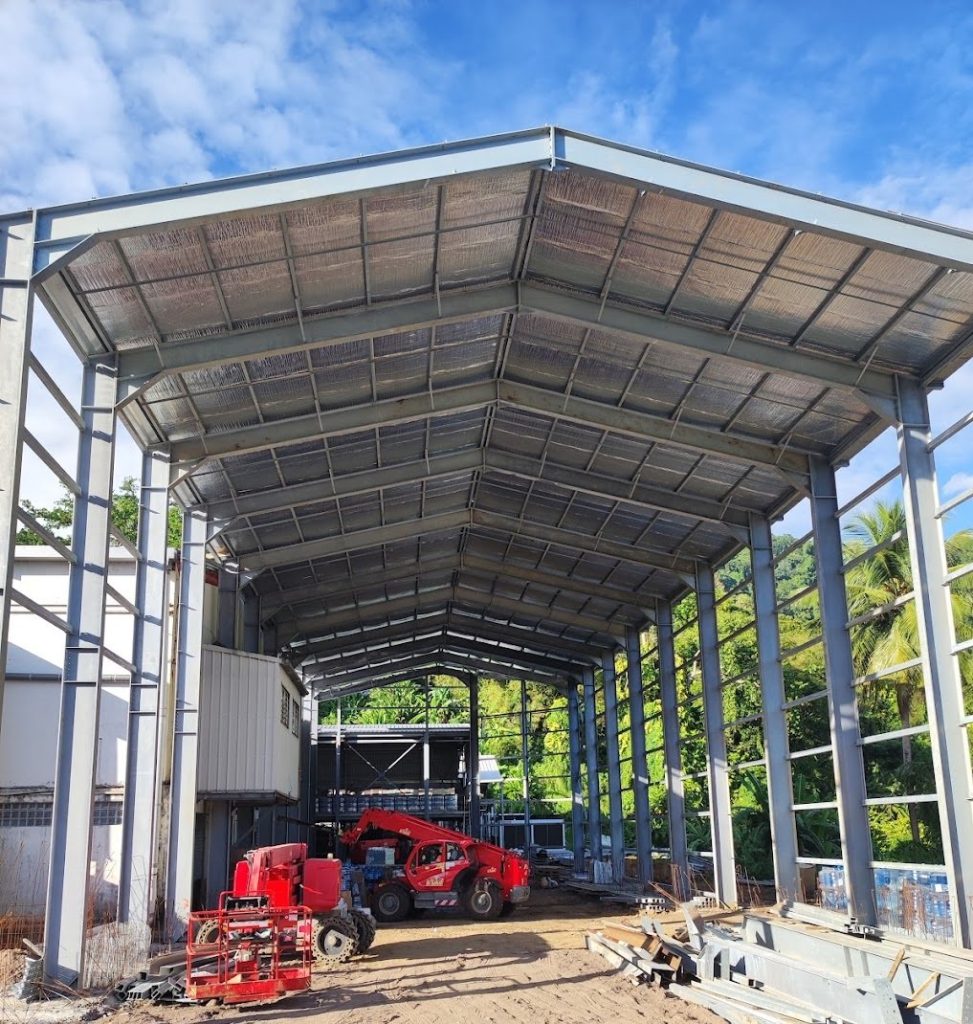
To guarantee the compliance of your building located in the Antilles regarding smoke extraction, it is essential to strictly follow the various legal steps defined by the regulations. Here are the main ones:
- Conduct a feasibility study: before any installation, a qualified professional can advise you on the smoke extraction solution best suited to your building and its specific constraints.
- Proceed with the installation of the smoke extraction system by a specialist: call on a certified and approved company for this type of work to benefit from a reliable result compliant with current standards.
- Carry out mandatory periodic inspections: depending on the nature of the building concerned and the type of smoke extraction system installed, inspection obligations may be imposed every year, or even every six months.
- Implement preventive and corrective maintenance of the system: beyond the legal inspections, it is essential to regularly maintain the entire smoke extraction system (cleaning, replacement of spare parts, etc.) to ensure its optimal performance.
⚠️ Common pitfall
A frequent mistake is to place the manual control (trigger) behind an obstacle or too high. It must be located at a height between 0.90m and 1.30m from the ground and remain accessible at all times, even if the building undergoes interior renovations.
The main issue behind these procedures is obviously the fire safety of the building and its occupants. However, they also help to preserve your real estate and equipment assets while promoting energy and maintenance savings – notably thanks to the reduction of risks related to the presence of smoke and hot gases in the event of a fire.
Therefore, it is crucial not to overlook the legal aspect of smoke extraction for your building located in the Antilles. Covered warehouses subject to authorization 1510 in Guadeloupe are an integral part of the category of Establishments Open to the Public (ERP) and, as such, must comply with strict regulations aimed at ensuring the safety of people and the protection of property.
This regulation includes specific provisions relating to smoke extraction, a crucial aspect of fire safety designed to limit the spread of smoke in the event of a fire, thereby facilitating the evacuation of occupants and allowing effective intervention by emergency services.
To obtain the operating authorization, owners or managers of these warehouses must submit their installations to a rigorous evaluation. This involves verifying the compliance of smoke extraction systems with standards NF S 61-931 and NF S 61-932, which define requirements for the design, installation, and maintenance of mechanical and natural smoke extraction devices.
These standards ensure that the systems are adapted to the building’s specificities, including its size, structure, and intended use of the spaces.
Furthermore, the regulation requires regular monitoring and meticulous maintenance of smoke extraction systems to ensure their proper functioning at all times.
This includes periodic inspections carried out by qualified professionals, who must verify the physical integrity and operational performance of each component of the system. Defects detected during these inspections must be corrected as soon as possible to maintain the required level of safety.
The managers of covered warehouses must also ensure that staff are properly trained to respond effectively in case of fire.
This includes knowledge of evacuation procedures, the use of smoke extraction equipment, and coordination with rescue teams. Regular training and evacuation drills help prepare all occupants to act appropriately and in a coordinated manner in an emergency.
The application of these safety measures is all the more crucial in Guadeloupe, where climatic and environmental conditions can amplify fire-related risks.
The regulation specific to authorization 1510 emphasizes the importance of a proactive approach to fire safety, requiring ongoing commitment from warehouse operators to protect not only material assets but above all human lives.
Fire pump rooms
Fire pump rooms, as essential components of fire safety systems, play a crucial role in the prevention and management of fires within residential, commercial, and industrial structures.
These spaces are specially designed to house sophisticated equipment, including smoke extraction and fire pumps, which are critical to maintaining the pressure and flow of water necessary for extinguishing fires and ventilating buildings.
The configuration of these rooms, as well as the selection and installation of equipment, must strictly comply with the guidelines established by French regulations, particularly the amended decree of June 25, 1980, which sets the conditions for fire protection in buildings open to the public (ERP) and high-rise buildings (IGH).
This legislation specifies performance criteria for smoke extraction systems and reliability requirements for fire-fighting pumps, thereby ensuring that these installations are capable of operating effectively in an emergency.
Furthermore, fire pump rooms must be designed to facilitate secure access for rescue and maintenance services, allowing for rapid and efficient intervention when needed.
This involves implementing safety measures such as fire doors, emergency lighting systems, and clear signage to guide intervention teams.
Regular maintenance of these rooms and their equipment is also a critical aspect of the regulations. Building owners and managers are required to carry out periodic inspections and operational tests to ensure the effectiveness and reliability of smoke extraction and fire pumps.
These checks must be performed by qualified professionals, in accordance with the intervals recommended by manufacturers and regulatory guidelines.
These rigorous requirements aim to enhance building safety in the event of fire, ensuring that pumping and smoke extraction systems operate optimally when their use is necessary.
Thus, fire pump rooms constitute a cornerstone of the overall fire safety strategy, providing effective protection of people and property against fire risks.
Ensuring the compliance of your installation: Steps and challenges
To guarantee the compliance of your building located in the Antilles regarding smoke extraction, it is essential to strictly follow the various legal steps defined by the regulations. Here are the main ones:
- Conduct a feasibility study: prior to any installation, a qualified professional can advise you on the smoke extraction solution best suited to your building and its specific constraints.
- Proceed with the installation of the smoke extraction system by a specialist: hire a certified and approved company for this type of work to ensure a reliable result that complies with current standards.
- Carry out mandatory periodic inspections: depending on the nature of the building concerned and the type of smoke extraction installed, inspection obligations may be imposed annually or even every six months.
- Implement preventive and corrective maintenance of the system: beyond legal inspections, it is essential to regularly maintain the entire smoke extraction system (cleaning, replacement of spare parts, etc.) to ensure its optimal performance.
The main issue behind these procedures is obviously the fire safety of the building and its occupants. However, they also help to preserve your real estate assets and equipment while promoting energy and maintenance savings – notably through the reduction of risks related to the presence of smoke and hot gases in case of fire. Therefore, it is crucial not to overlook the legal aspect of smoke extraction for your building located in the Antilles.
Frequently asked questions
No, smoke extraction is mainly mandatory for public access buildings (ERP), collective housing, and professional buildings. However, it is still recommended to install smoke detectors for domestic safety.
The frequency varies depending on the type of building. As a general rule, an annual inspection is required, but some public access buildings require semi-annual inspections.
They face administrative sanctions, administrative closure of their establishment, and especially potential civil and criminal liability in case of fire.