
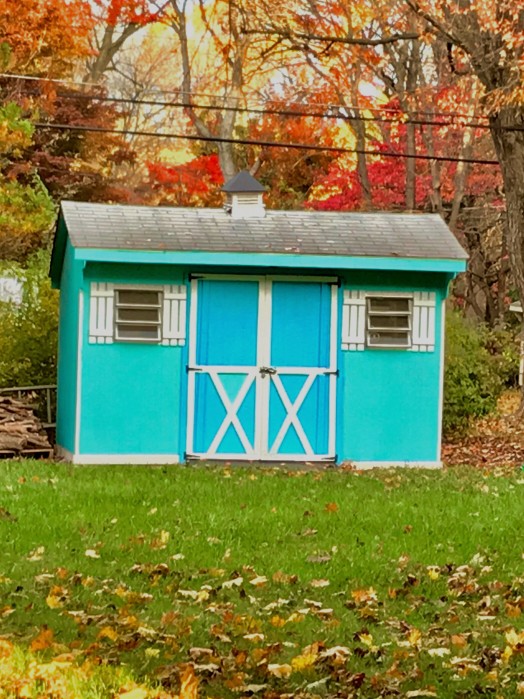
Whatever the style, French, vegetable garden, zen, urban or aquatic, almost all modern gardens are equipped with a garden shed. Besides being a safe place to store your tools and equipment, it serves many purposes.
Whether you build it yourself or buy it custom-made, this small cabin requires optimal protection. Rainwater passes through its lower part. If you do not act, moisture may accelerate its deterioration.
To avoid this, it is crucial to provide it with a good treatment. Before getting to the heart of the matter, it is important to explain the roles of a garden shed.
What is a garden shed used for?
- Creating additional storage space: Sometimes the house lacks space, and the garden shed offers a practical solution to store bulky items.
- Replacing the attic or garage: It can accommodate boxes, bicycles, skis, bags of potting soil or surfboards, thus freeing up space inside.
- Storing gardening tools: Rake, pneumatic pruner, spade, shovel or wheelbarrow easily find their place in the shed.
- Workshop for DIY projects: By increasing its size, the shed becomes a space where sawing, cutting or assembling becomes possible.
- Preparing seedlings: It offers an ideal corner to start seedlings without needing a dedicated workshop.
- Storing pots and seeds: Easily organizes pots and seeds, facilitating their access and preservation.
- Protecting plants in winter: The shed serves to protect sensitive plants from the cold during the winter season.
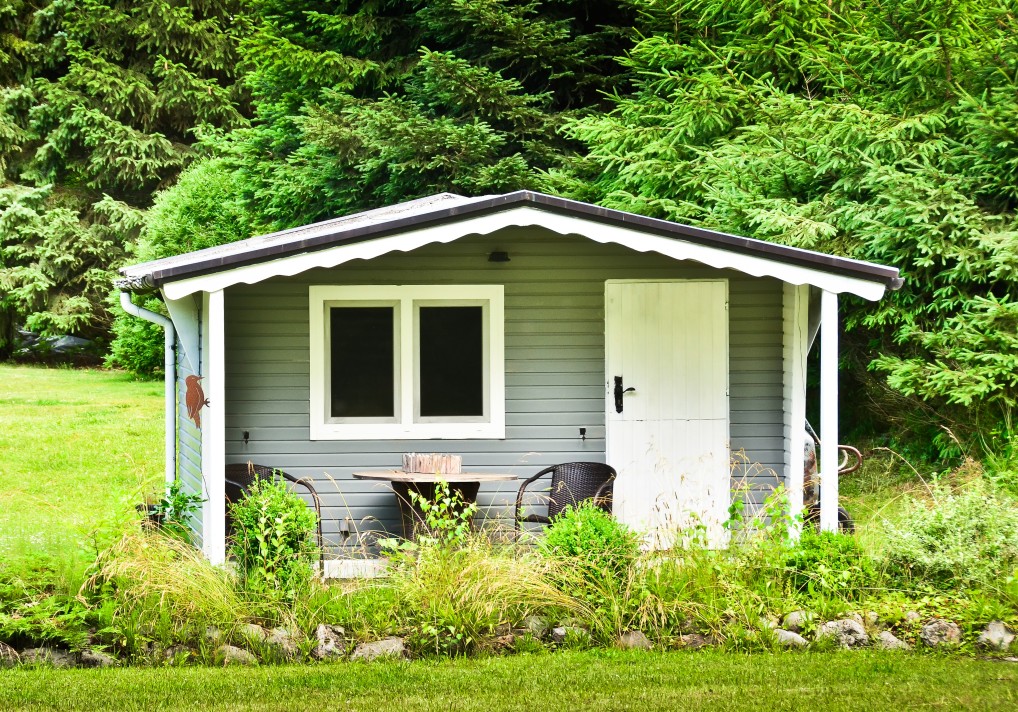
Good reasons to protect the bottom of a garden shed?
A garden shed is placed outdoors. Regardless of its construction materials, it cannot withstand moisture in the long run.
| Protection method | Description | Advantages | Disadvantages | Usage tips |
|---|---|---|---|---|
| Bitumen sealing strip | Application of a self-adhesive or glue-on strip at the base of the shelter to prevent moisture. | Excellent barrier against water and moisture. | May deteriorate under prolonged sun exposure. | Clean the surface before application for good adhesion. |
| Treated wood skirting boards | Fixing treated wood planks around the base to protect against moisture and impacts. | Natural aesthetic, good mechanical protection. | Requires regular maintenance (painting or staining). | Choose treated wood to avoid rot. |
| Metal or aluminum strip | Installation of a rigid metal strip at the base to protect against impacts and water. | Very durable, resistant to impacts and water. | May rust if untreated or poorly maintained. | Use corrosion-treated metal. |
| Gravel or paving around | Creation of a draining area with gravel or slabs at the foot of the shelter. | Prevents water splashes and improves drainage. | Does not directly protect the structure. | Combine with direct protection on the base. |
| PVC protective strip | Application of a flexible plastic strip around the base to prevent water from rising. | Moisture resistant, easy to install. | Less aesthetic than wood or metal. | Secure well to prevent the strip from peeling off. |
The cabin is exposed not only to wind, pollution, and sun, but also to rain. All these factors contribute to its rapid deterioration, especially moisture.
If you plan to keep it in excellent condition, try to protect its lower part. This part remains in direct contact with ground water or rainwater. When moisture stagnates, this phenomenon causes premature rotting of the bottom of the structure.
How to protect the bottom of a garden shed?
There are many ideas to help you ensure its protection. Installing a concrete slab is among the most used and effective solutions. This material blocks the rise of underground water at the bottom of the cabin.
To ensure its effectiveness, it must be built according to the external dimensions of the garden shed. If the size of the slab does not match, this mistake causes the opposite effect. It encourages water stagnation and triggers the development of moss and mold.
Besides the concrete screed, it is possible to optimize the protection of the base of the shelter with a silicone joint. You apply it between the small house and the slab. It forms a waterproof membrane preventing water infiltration.
Finally, it is possible to complete the treatment of the lower part of the shelter by installing a gutter.
Whether made of PVC, zinc, or aluminum, it allows rainwater to be collected so it does not pour at the base of the cabin.
This small cabin does not tolerate moisture. It must be protected from ground water to extend its lifespan.
Installing a concrete slab stops moisture from rising from the ground. Take the opportunity to install a silicone seal.
Publications similaires :
 How to dig a hole in your garden with an electric auger?
 How to trim a thuja hedge that is too wide?
 Effective stump removal: Everything you need to know about the stump grinder
 Rainwater harvesting: our opinion on these three storage methods
 Jardipedia: connected garden tips and ideas
 Fruits starting with Z: complete list of rare and exotic fruits