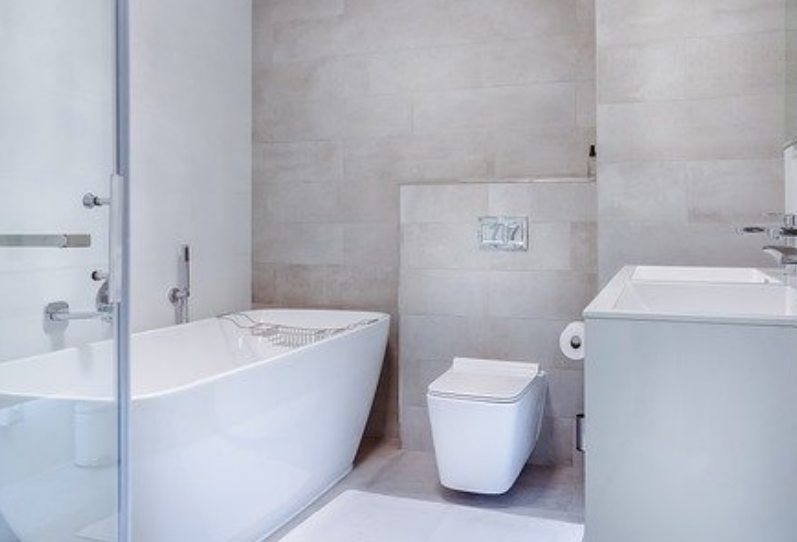
When you are considering undertaking a bathroom renovation, toilet cleaning is an important step not to be missed.
When you haven’t taken care of it for a long time, the bowl is probably limescaled.
To get rid of limescale deposits, a wipe with a cloth is no longer enough. You need a highly effective technique that provides excellent results.
Among the best-known tips, hydrochloric acid has already proven its worth.
Many households use it and are satisfied with its effectiveness. Before going into details, it is appropriate to explain what is meant by hydrochloric acid.
What is hydrochloric acid?
There are many cleaning products used daily, for example to clean the roof, walls, or floor. Generally, they pose no danger to human health.
On the other hand, it must be acknowledged that hydrochloric acid is a chemical substance that can have health repercussions.
If you accidentally inhale its odor, for example, it can cause headaches. In any case, it is entirely possible to use it safely.
Simply put, hydrochloric acid is a colorless aqueous solution obtained from water and hydrogen chloride. In most cases, it is used to descale and disinfect septic tanks as well as sanitary facilities.
Furthermore, its handling is not limited to domestic use. It also helps solve problems in industries such as mining, petrochemicals, metallurgy, and many other sectors.
What is the effect of hydrochloric acid on toilets in terms of cleaning?
Summary table: Hydrochloric acid for toilets – Use with caution
| Aspect | Detail |
|---|---|
| Main use | Dissolve limescale and unclog toilets |
| Effectiveness | Very high on limescale deposits and organic blockages |
| Recommended dosage | About 20 to 30 cl, to be poured slowly into the bowl |
| Action time | 15 to 30 minutes (do not leave on too long) |
| Precautions for use | Gloves, protective goggles, well-ventilated room |
| Dangers | Toxic vapors, corrosive to PVC pipes if improperly dosed |
| Incompatibilities | NEVER mix with bleach (deadly toxic gas) |
| Recommended frequency | Maximum once a month to avoid premature wear |
| Ecological alternatives | White vinegar + baking soda, citric acid, enzymatic cleaners |
| Average price | About €2 to €5 per liter in supermarkets |
In some regions, the limestone content of the water can be extremely high. It is therefore common to find limestone deposits on toilets. Especially if you do not have a water softener, the toilets quickly become encrusted with limescale.
It is observed that this problem is not easily resolved. Although you have already applied many techniques to get rid of it, the grime persists.
Faced with this situation, hydrochloric acid is your last resort. Since it is not just a simple chemical compound, but a very powerful acid, it can be useful for effectively descaling your toilets.
There is no need to scrub the toilet bowl. You just have to pour, for example, a glass of it. The acid immediately dissolves the limescale as well as the ingrained dirt. With this solution, your toilets become like new again.
However, it is important to emphasize that hydrochloric acid is a corrosive liquid product. It must therefore be handled with care.
Whether you are a weekend handyman or an expert, safety measures must always be respected.
How to use hydrochloric acid safely to clean toilets?
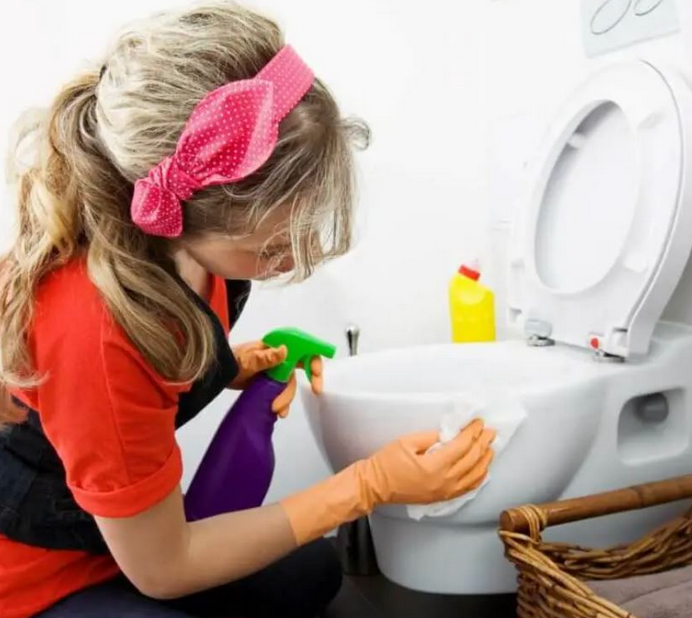
To treat humidity in the house, the intervention of a professional is necessary. This is not the case with toilet cleaning.
Mr. and Mrs. Average can do it without any problem. But since hydrochloric acid is a chemical solution, it is imperative to use it with caution.
First, you should open the doors and windows to ventilate the room. Equip yourself with protective devices such as gloves and masks to minimize accidents.
Having done that, now open the bottle of hydrochloric acid. Then pour some into the bottom of the bowl. A quantity of 200 ml may be sufficient.
Let it sit for many hours with the lid closed. Then leave the room and do not allow anyone to enter while the product takes effect.
Once the time has passed, lightly scrub the bottom and walls of the bowl with a special brush. The last step is to flush the toilet. This removes the hydrochloric acid as well as the dissolved limescale deposits.
Even if the limescale disappears and your toilets become particularly shiny, you must continue to ventilate the space for half an hour.
It should be noted that hydrochloric acid has a strong persistent odor. You must let it dissipate before closing the windows, otherwise the product causes headaches.
Why is hydrochloric acid often used as a cleaning product for toilets?
Also known as hydronium chloride or muriatic acid, hydrochloric acid is one of the products widely used by countless people to clean toilets, thanks to its remarkable effectiveness.
It requires no specific or complicated procedure. Yet, it manages to remove encrustations from sanitary fixtures or septic tanks.
You do not have to scrub the walls for a long time to get good results. Just pour a sufficient amount of solution into the bowl and it does all the work.
Hydrochloric acid is not only used to descale your toilets. It also helps to remove limescale and bacteria. Even if the bowl is covered with stubborn stains, the product is capable of making it ultra clean. That’s not all, it also brings shine to it.
Many people also prefer it for toilet maintenance because of its ease of use. Unlike grandmother’s recipes, the product is already prepared.
If you have to search for and gather the ingredients for the first option, the second is ready to use. Just open the bottle, pour the substance into the toilet, and you’re done.
Despite its practicality and effectiveness, hydrochloric acid does not cost much. Unlike other cleaning products, it is available at an affordable price. As such, anyone can purchase it without any problem.
Moreover, it can be found more easily in almost all specialized stores or shops. It is usually supplied in a drum or jerrycan at 1 or 2 euros per liter.
What are the health risks associated with using hydrochloric acid in toilets?
Hydrochloric acid is among the most commonly used products for toilet maintenance. It must be admitted that it is effective in restoring their original state.
Despite its strength, handling it still poses significant risks. It is therefore important to be aware of this before using it.
If you do not wear protective equipment, know that its use can cause burns to your skin.
This situation can occur after the body is exposed to the chemical substance. A few splashes are enough to cause serious burns.
Besides that, the use of hydrochloric acid is dangerous for your respiratory tract. Note that it is characterized by its pungent smell.
This smell can suffocate you at any moment. It is therefore essential to protect your respiratory system every time you clean the toilets.
And in the worst case, this colorless acid can also be deadly. If accidentally ingested, it can cause vomiting, mouth pain, or digestive hemorrhages up to the point of death.
To avoid this, it is imperative to store it properly after each use and keep it far away from children. They might ingest it without realizing its harmful effects on their health.
What precautions should be taken when using hydrochloric acid to clean toilets?
Compared to natural methods or grandmother’s recipes, hydrochloric acid is practical for removing grime from toilets. However, caution must be exercised during its handling to limit any risk.
The first thing to do is to check if the room and the materials of the toilet bowl are suitable for the use of this acid.
Once everything is in order, you must wear household gloves to protect your hands from burns. Also remember to put on your safety glasses. These protect your eyes by reducing the risk of splashes.
A construction mask helps cover your mouth and nose. It should be noted that hydrochloric acid irritates the lungs as well as the throat.
During cleaning, open the windows and door wide. Keep pets and your children away from the room where you are working.
Can hydrochloric acid damage toilet materials, such as porcelain or plastic?
Hydrochloric acid is among the very strong acids. It is capable of dissolving many mineral materials, including carbides and metals.
However, this chemical does not attack sanitary or toilet materials. They generally consist of organic components.
But if you are afraid that the solution might damage plastic or porcelain, simply avoid using it too concentrated. On the other hand, let it act for a long time and the result will surely impress you.
Hydrochloric acid is valued for its ability to remove limescale, bacteria, and calcium deposits, but not to damage toilet materials.
How can the effects of hydrochloric acid be neutralized if it is accidentally spilled in the toilet?
There is nothing easier than neutralizing hydrochloric acid. To do this, simply flush the toilet. Water has the ability to dilute it. Make sure to spray the affected areas thoroughly.
And even if this concentrated substance is spilled on other bathroom fixtures, tap water can still do the job. It is important that the water is not too cold. Ideally, use water with a temperature of 10 to 18 degrees.
Yes, but with caution. Wall-hung toilets often have more sensitive PVC pipes. The dose should be reduced and exposure should not exceed 15 to 20 minutes to avoid damaging seals or pipes.
Indirectly yes. By dissolving limescale and organic deposits, it removes the sources of persistent odors. But for a lasting effect, regular cleaning with less aggressive products is recommended.
Some property managers or landlords prohibit its use because it can attack common pipes or septic tanks. Before use, it is advisable to check the condominium regulations or consult the manager.