Garden maintenance is becoming a passion for more and more individuals. They spare no time to take care of it according to the rules of the art. It is no surprise that they equip themselves with many tools such as the electric pruner, the rake, the plant shredder, the electric auger, the spade, or the claw.
As an alternative to manual weeders, many people prefer to use AdBlue as a herbicide. By getting rid of unwanted weeds, the use of AdBlue harms neither human health nor biodiversity.
Besides being a natural herbicide, it is a German brand from the automotive industry VDA. To clarify, this article explains the essential points to remember about this product.
Perspective on this practice: I often look with curiosity at the “DIY” tips circulating on the web, and the use of AdBlue as a herbicide is undoubtedly one of the most peculiar. My opinion is nuanced: while I understand the appeal of a radical solution based on a high concentration of urea, I believe one must remain extremely cautious. This product was not designed for this use, and I find it essential to keep in mind that diverting an industrial fluid is a strong action that directly impacts the balance of our soil. For me, this technique perfectly illustrates the fine line between excessive fertilization and targeted elimination.
What is AdBlue, and how is it traditionally used?
Due to advances in anti-pollution standards, many automobile manufacturers continuously introduce new technologies to limit pollutant emissions from diesel vehicles. The use of AdBlue is part of this. It should be recalled that AdBlue is a brand belonging to the German association automotive industry VDA.
To make diesel vehicles more environmentally friendly, they must be equipped with a liquid solution called AdBlue. This allows the removal of a significant amount of nitrogen oxides resulting from diesel combustion.
To achieve this, the use of SCR technology is necessary. This is a selective catalytic reduction system that converts pollutants such as nitrogen oxides into harmless nitrogen and water vapor through an additive. The use of AdBlue is mainly reserved for diesel vehicles.
Also known as diesel exhaust fluid, this product is composed of urea and demineralized water. By injecting it into exhaust gases, it significantly reduces pollutant emissions to comply with Euro level 6 standards. The goal is to minimize environmental impact as much as possible.
It should be noted that untreated exhaust gas contains a large amount of NOx or nitrogen oxides. However, these are among the most dangerous atmospheric pollutants. When using AdBlue as diesel exhaust fluid, this aqueous solution creates a chemical reaction that breaks down toxic nitrogen oxides into harmless nitrogen and water vapor.
Since 2006, the use of AdBlue has been mandatory on heavy goods vehicles running on diesel. To refill, it is sufficient to purchase containers of AdBlue in 5 or 10 liters. Professionals have the option to acquire tanks up to 1000 liters.
However, it should be remembered that this diesel exhaust fluid must be stored under more specific conditions, up to 18 months from its production date.
I tested this method one afternoon on a gravel area overrun by stubborn weeds. Thinking I was doing well, I was a bit heavy-handed with the dosage. The realization was immediate: beyond the disappearance of the targeted plants, I noticed that the ammonia smell lingered much longer than expected. This made me realize that, even though the product is made of demineralized water and urea, its concentration is such that it acts as a real shock to the soil’s micro-ecosystem. Since this experience, I approach this kind of alternative methods with increased caution, always favoring very localized areas and avoiding contact with my vegetable plants.
Is AdBlue effective as a weed killer?
AdBlue, originally a trademark registered by a German association automotive industry VDA, is perfect for reducing the emission of pollutants from diesel vehicles. But its functions do not stop there! It can also have another use in gardening.
Many people decide to use AdBlue as a weed killer. Thanks to it, it becomes possible to eliminate weeds without harming the environment or human health. Just like white vinegar, it is part of an ultra-effective natural weed killer.
As detailed in the previous paragraph, professionals use AdBlue as an additive to reduce pollutant emissions from diesel vehicles. But it was later discovered that it also helps to make weeds disappear in a more environmentally friendly way.
If you do not have it yet and plan to purchase it, know that the price of a container of AdBlue varies depending on the place of purchase and its capacity.
Generally, a 5-liter container of AdBlue water costs between 9 to 20 euros. If you want a 10-liter model, expect 15 to 30 euros. You can find it more easily at gas stations or online stores.
Using AdBlue as a natural weed killer offers countless advantages. It is a 100% natural, reliable, and effective solution. It works by preventing the appearance of weeds and exterminating their roots, simplifying their removal.
Besides applying AdBlue as a weed killer and white vinegar, other natural products have a powerful weed-killing action, such as boiling water, baking soda, lime, plant decoctions, wood ash, elbow grease, salt, and much more.
Comparative table of alternative weed control solutions
| Solution | Mode of action | Speed of effect | Residual impact |
| AdBlue (Urea) | Nitrogen overdose (burn) | 24 to 48 hours | High (enriches the soil) |
| Boiling water | Thermal shock | Immediate | None |
| White vinegar | Tissue acidification | Fast (a few hours) | Medium (acidity) |
| Manual weeding | Mechanical extraction | Immediate | None |
What are the best practices for using AdBlue as an ecological weed killer?
AdBlue, originally designed to reduce pollutant emissions from diesel engines, can also be used as a natural weed killer. However, its use in the garden requires certain precautions to achieve the best results without harming the environment. Here are the essential rules to follow:
- Properly dilute the solution: maintain a dilution between 5 and 10% (50 to 100 ml per liter of water).
- Use a sprayer for targeted and even application on weeds.
- Avoid rainy periods to prevent the product from being washed into the soil.
- Treat in the morning or late afternoon, when temperatures are lower and evaporation is limited.
- Protect useful plants with covers or by spraying only the unwanted weeds.
- Wear personal protective equipment (gloves, goggles, mask) to handle the product safely.
- Perform a preliminary test on a small area to assess the tolerance of the soil and surrounding plants.
What are the components of AdBlue that could act as a herbicide?
The component of AdBlue that has a herbicidal action is urea. When applied to unwanted weeds, it converts into ammonia upon contact with moisture. This then disrupts the plants’ ability to produce proteins essential for their growth. This inhibition leads to a reduction in cellular activity followed by the permanent death of the weeds.
Besides this, AdBlue herbicide application, also called diesel exhaust fluid by car manufacturers, disrupts the energy metabolism of invasive weeds.
For this, the product interferes with the composition and use of energy necessary for their development. This causes their gradual weakening until they cease to survive.
It is noted that using AdBlue as a herbicide acts particularly on plants with less developed root systems as well as young seedlings. It is mainly deployed for preventive use to avoid the formation of unwanted plants in a flowerbed or on a plot.
It should be emphasized that their removal is essential for the growth of cultivated plants in your small vegetable garden. Weeds grow where they are not welcome.
Their roots steal natural light and mineral substances from the soil that are reserved for good plants. Thus, they are better nourished and develop quickly.
For the optimal growth of your flowers, vegetables, or fruits, it remains necessary to get rid of them. Please use AdBlue as a herbicide. This product is part of a natural solution combining effectiveness and reliability.
How to compare the effectiveness of AdBlue with other natural or chemical herbicides?
Before choosing AdBlue as an alternative, it is interesting to compare its advantages against other weed control solutions. Here is a summary table:
| Type of herbicide | Effectiveness on weeds | Environmental impact | Estimated average cost | Key features |
|---|---|---|---|---|
| AdBlue | Good preventive effectiveness and on young weeds | Biodegradable, low toxicity | 9 to 20 € for 5 L | Urea-based solution, acts on plant metabolism. |
| White vinegar | Very effective on surface, less on roots | Natural, acidic for the soil | 5 to 10 € for 5 L | Ideal for driveways and terraces, fast action. |
| Baking soda | Medium, rather on dry soils | Respectful, biodegradable | 2 to 5 € per kilo | To sprinkle, acts only on small surfaces. |
| Chemical herbicide | Very powerful, even on stubborn plants | Highly polluting, dangerous | 15 to 30 € per liter | Health risks, regulated and controversial use. |
| Boiling water | Effective on surface | 100% ecological | Practically free | Requires multiple applications, no action on roots. |
How to use AdBlue as an herbicide in terms of dilution and application?
The use of AdBlue as an additive product for diesel vehicles is quite different from its application as a natural herbicide. It is essential to take this into account to avoid making irreversible mistakes.
Although its main role is to preserve the environment, procedures such as precautions for using AdBlue are not necessarily the same.
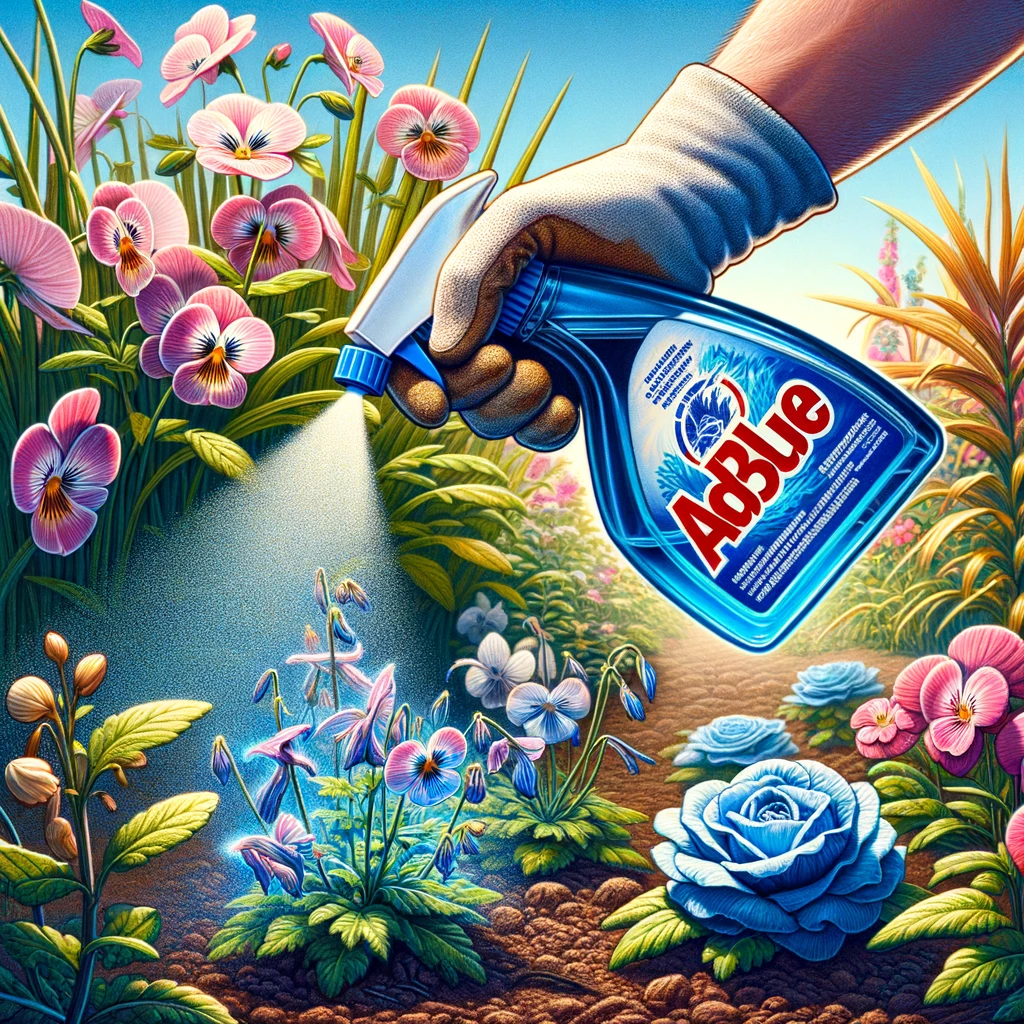
Despite its effectiveness, the AdBlue usage method as an herbicide is child’s play. To better cover the surface, it is preferable to use a sprayer which also simplifies application. Simply pour the solution on the parts infested by invasive weeds while protecting the desired plants.
It is advised to use it early in the morning or late in the day. At these times, temperatures are cooler and evaporation is less abundant.
To better use AdBlue as an herbicide, it must be mixed with water in sufficient proportion. The proper dilution is between 5 and 10%, equivalent to 50 to 100 ml of AdBlue per liter of water. You can choose the concentration depending on the climatic conditions during use and especially the type of plant to be treated.
It should be noted that warmer temperatures make the solution more concentrated. It is therefore necessary to adjust the dilution according to this circumstance. To check the compatibility of AdBlue with surrounding plants, try to do a preliminary test.
Regarding the amount of product to apply, you need to do a small calculation based on the area to be treated. Note that the required volume can vary depending on the density and size of the unwanted weeds. In most cases, a 5-liter application of diluted AdBlue herbicide solution per 100 square meters does the job.
Like other natural solutions, using AdBlue as an herbicide is an ecological option helping you control weeds in your green space.
With proper application, this product helps keep your garden healthy and free of unwanted plants. Moreover, it spares you the environmental impacts of chemical products.
Are there environmental risks associated with using AdBlue as an herbicide?
Known as a brand established by a German association automotive industry VDA, AdBlue remains both an ecological and powerful solution for weed control.
Unlike other chemical herbicides, the product poses no danger to the environment or human health. Nevertheless, some AdBlue usage precautions deserve to be explained.
Before using AdBlue as a herbicide, it is strongly recommended to follow the manufacturer’s recommendations regarding handling and storage of the product. This ensures its proper functioning and prolongs its use.
Please wear personal protective equipment during preparation, handling, and application of AdBlue herbicide. These devices include safety glasses, masks, gloves, and if possible, appropriate clothing.
To avoid any contamination, refrain from using it near water points or on edible plants.
After using AdBlue as a herbicide or as an additive preventing polluting emissions from diesel vehicles, it must be kept out of reach of pets and especially children. Choose storage in a dry and cool place, away from light.
What is the difference between using AdBlue and traditional chemical herbicides?
If you are looking for an easy solution, nothing beats opting for a classic chemical herbicide. However, it must be admitted that handling it presents risks.
There are countless models, but glyphosate is among the most requested products. Chemical herbicides consist of active ingredients to which other chemical substances are added to improve their effectiveness.
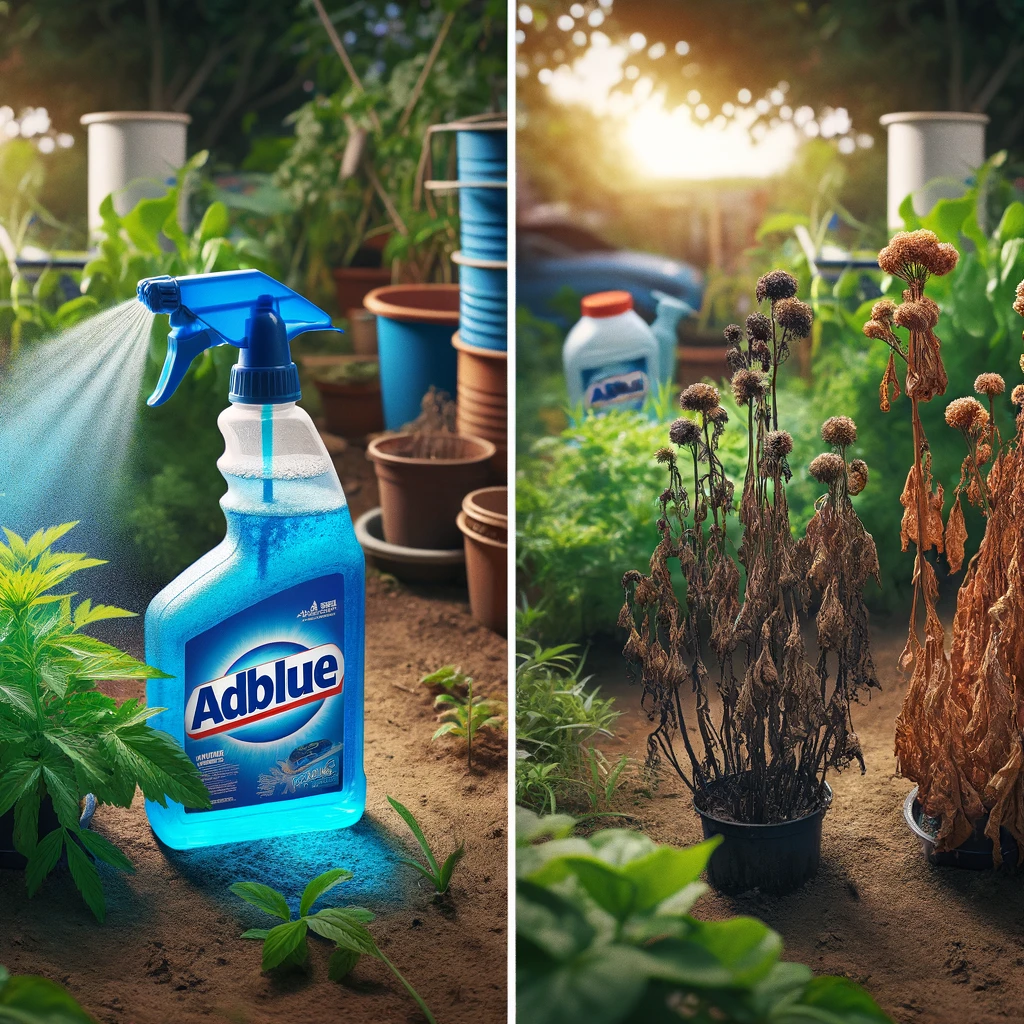
Unlike using AdBlue as a herbicide, their handling endangers human health. Their components can cause serious diseases such as cancers. Although the ban on their sale is controversial, they are still available on the market.
If you plan to use AdBlue in the garden, this solution is not only biodegradable but also non-toxic. It only brings beneficial properties to the green space to be treated.
On the other hand, a chemical herbicide impoverishes the soil microfauna. By eliminating unnecessary weeds, it also destroys small animals. As its chemical components migrate by runoff or infiltration into the soil, this causes pollution of watercourses.
To put it simply, using AdBlue as a herbicide offers countless advantages. But if this solution does not suit you, thermal herbicide and manual herbicide are also good alternatives to chemical herbicide. The latter has many drawbacks despite its ease of use and effectiveness.
Where and when should AdBlue not be used as a herbicide?
If you want to achieve better results, it is highly recommended to respect the weather. If you choose to use AdBlue as a herbicide during rainy weather, you should not expect its effectiveness.
This weather condition causes the substance to be washed out into the soil. This reduces its effectiveness but increases environmental risks.
The ideal time is during sunny seasons so that AdBlue herbicide works better. Its effectiveness is guaranteed to destroy weeds throughout spring or summer.
It is important to emphasize that the AdBlue usage as a herbicide must be well mastered. Otherwise, it may have a negative impact on your cultivated plants.
Remember that some plants do not tolerate the presence of nitrogen contained in the urea of AdBlue. This element affects their health as well as their growth. To avoid making mistakes, it is crucial to conduct preliminary tests on a small area before applying AdBlue herbicide. This helps you minimize risks.
Finally, using AdBlue as a herbicide proves to be remarkably effective. Despite its potential, the product is not without risks. Its beneficial effects can turn harmful if you neglect the AdBlue usage precautions. It is equally imperative to use it according to best practices.
The most important rule is to avoid overusing it. If you apply an excessive amount of AdBlue herbicide, it undoubtedly harms soil quality and, in the worst case, could disrupt the ecosystem. To avoid this, always try to follow the manufacturer’s recommendations.
Frequently Asked Questions
No, it should be avoided near water points or on edible plants, as urea can disrupt their growth.
One to two applications per season are sufficient. It is not recommended to overuse it in order to preserve soil quality and ecosystem balance.
When used correctly and in moderation, it is much more environmentally friendly than chemical herbicides. However, overuse can harm the soil and disrupt microfauna.