Neoprene glue, often called contact adhesive, is an essential solution in the world of DIY and construction. Known for its versatility and resistance to various conditions, it stands out as a preferred ally for bonding different materials such as wood, metal, rubber, or leather. But how can this powerful adhesive be used effectively to ensure an optimal result? This article explores the various applications of neoprene glue, offering practical advice for each situation.
Main characteristics of neoprene glue
Neoprene glue stands out due to several properties that make it particularly useful for DIY enthusiasts. First, it is a contact adhesive, which means it offers immediate grip after assembling the glued parts. This feature is ideal for all types of projects where time is pressing and where firmly fixing elements in the blink of an eye is essential.
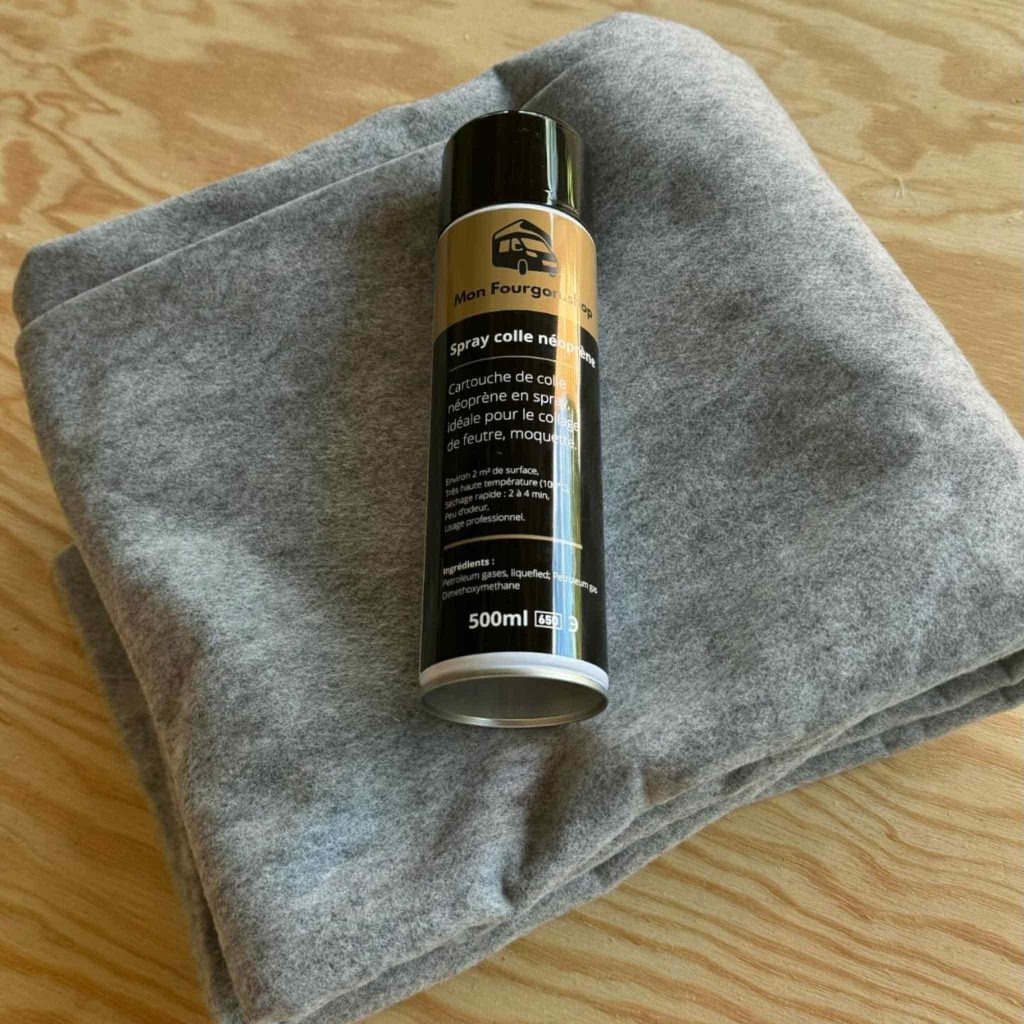
Furthermore, heat resistance is an intrinsic quality of this glue, allowing its use even in hot environments. Neoprene glue is thus perfectly suited for projects requiring indoor and outdoor application, ensuring impeccable hold despite temperature variations.
| Type of glue | Ideal use | Resistance | Particularity |
|---|---|---|---|
| Liquid neoprene | Wood, laminate, leather | Very strong | Brush application |
| Gel neoprene | Vertical surfaces | Strong | Does not drip |
| Spray neoprene | Large surfaces | Medium | Quick application |
Resistance to environmental conditions
One of the major strengths of neoprene glue lies in its water resistance. This not only allows it to be used on objects intended to remain outdoors but also in humid environments, such as a bathroom or kitchen. Moreover, neoprene glue retains its adhesive properties even when subjected to repeated vibrations, making it an ideal choice for furniture and structures likely to undergo regular movement.
Thus, for any renovation or installation project, incorporating neoprene glue guarantees a durable and professional finish. Its ability to bond various materials also ensures great flexibility, enabling combinations impossible with other less robust adhesives.
Practical applications of neoprene glue
Dedicated to multiple uses, neoprene glue finds its place in a variety of DIY and construction projects. Whether for urgent repairs or complex installations, this product offers unmatched versatility.

For example, to fix wooden panels on the walls of a room, a proper application of neoprene glue will be enough to hold the elements in place without resorting to nails or screws, thus preserving the aesthetics of the surfaces.
Projects related to furniture and decoration
Another popular use concerns furniture restoration. Whether it is reattaching a chair leg or renovating a leather sofa, neoprene glue offers a quick and reliable solution, conveying all its effectiveness through its strong adhesive capacity.
In the field of decoration, applying this glue to join various fabrics or decorative accessories is often recommended. By allowing the bonding of different materials with ease, this glue makes your creativity virtually unlimited.
Outdoor use: structures and infrastructures
In order to effectively prepare a children’s playground or stabilize a balcony railing, neoprene glue can be an excellent option thanks to its robustness. When weather conditions become unfavorable, its weather resistance guarantees the durability of the structures made.
This property adds to an immediate grip relieving critical moments on the construction site where speed is a serious asset. Thus, incorporating this glue into your processes significantly enhances the overall cohesion of your outdoor projects.
How to apply neoprene glue effectively
To maximize the benefits offered by neoprene glue, certain steps must be followed during its application. First, make sure that the surfaces to be glued are clean, dry, and free of grease or dust. Careful preparation facilitates adhesion and strengthens the bond between materials.
During application, be sure to spread the glue evenly on both surfaces to be joined, then let it dry slightly until it forms a dry film to the touch before placing the surfaces together. This process optimizes the grip and consolidates the fixation.
Common mistakes to avoid
Among the frequently observed mistakes is pressing immediately after application. Always allow a few minutes for optimal bonding. Also, do not forget to work in a well-ventilated area, as the fumes can be quite strong during drying.
On the other hand, do not apply too much pressure during the initial bonding, as this risks excessively expelling the adhesive from the joined surfaces. Work gently to ensure a perfect meeting of the pieces.
Drying time and subsequent adjustments
Most of the time, complete drying occurs within 24 hours, guaranteeing maximum stability of the materials. However, avoid subjecting freshly glued joints to heavy stresses during this period.
Also know that if a minor adjustment remains necessary, it must be done immediately after assembly and with care. This maximizes the integrity of the union thus formed.
To optimize your DIY projects, discover how to use resin for renovation: learn to master the silicone gun: and explore the basics to sand plaster properly.
FAQs on Using Neoprene Glue
Neoprene glue works effectively on a wide range of materials such as wood, leather, metal, and certain plastics. It is particularly used for the bonding of different materials and where heat and water resistance is desired.
The drying time of neoprene glue varies depending on conditions, but generally, it is recommended to let the glued materials rest for 24 hours for full adhesive strength. During this time, avoiding excessive stress on the joints will ensure better durability.
Yes, neoprene glue is ideal for both indoor and outdoor projects. Its adhesion persists under varied weather conditions. Naturally water-resistant and resistant to temperature changes, it is perfectly suited for exposed structures.
Be sure to wear gloves and work in a well-ventilated area. Avoid pressing the materials together too hard immediately after application and allow sufficient time for them to reach maximum adhesion before heavy use.