Although you choose the best decor with dark flooring in your bedroom, black stains dirty the wall. Your ceiling has also become covered with mold.
And you notice condensation appearing on your windows. Coming home from work, an unpleasant musty smell rises and spreads throughout the room.
All these signs reveal the presence of moisture in the bedroom. It is observed that many people tend to underestimate this issue. However, it can cause quite serious damage. To avoid this, this article summarizes the solutions as well as the various preventions for the bedroom moisture problem.
📋 The essentials at a glance: Personally, I consider sleeping in a damp room a major health risk, increasing respiratory problems by 30% in vulnerable people. The ideal humidity rate should be between 45% and 55%. I recommend acting as soon as the first musty odors appear, as early intervention often costs 10 times less than a deep treatment against ingrained mold.
What are the main causes of moisture in a bedroom?
| Visible Sign | Probable Cause | Urgency Level | Immediate Solution |
|---|---|---|---|
| Fog on windows | Poor ventilation | Moderate | Air out for 15 min/day |
| Peeling wallpaper | Infiltration or condensation | High | Check exterior waterproofing |
| Black stains / mold | Thermal bridge | Critical | Clean with white vinegar |
| Musty smell | Air saturation | Medium | Install an absorber |
Before asking yourself how to repair a water leak or how to clean mold on walls, it is important to know the factors of excessive bedroom moisture.
In most cases, condensation is one of the most frequent causes of moisture presence in the bedroom. When air renewal seems insufficient, it blocks the evacuation of humid indoor air. Water vapor then appears around PVC, aluminum, or wood windows.
🌍 Did you know?
Warm air can hold much more water vapor than cold air. That is why, in winter, moisture “seeks” the coldest areas of your bedroom (windows, corners of walls) to turn into liquid water.
When a bathroom is also located near your bedroom, it gradually increases the humidity level in the bedroom. Thus, grayish or blackish stains form on ceilings and walls.
Water infiltrations also cause bedroom moisture problems. This phenomenon often comes from outside. When pipes are defective, windows appear poorly sealed, or the roof is in poor condition, rainwater seeps into the masonry. This situation will have a negative impact on the house.
Because of the room humidity level, the wallpaper peels off and the paint cracks. Mold forms and spreads. Besides that, the room does not reach the ideal humidity level due to rising damp. When the exterior walls remain in contact with the ground, they absorb stagnant underground water which then spreads into the interior masonry. It is not surprising to see traces of bedroom humidity especially since it is located on the ground floor.
📍 My experience: In winter 2025, I noticed black spots behind my headboard against the north wall. I spent 150 euros on an electric dehumidifier before realizing that the problem was simply a ventilation grille clogged with dust. The lesson learned is that you should always check air circulation before investing in costly solutions: a simple VMC cleaning solved the problem in 5 minutes.
How to measure the humidity level in a bedroom?
Nothing is simpler than assessing the house humidity level with a hygrometer. This electronic device is specially designed to accurately calculate the moisture content of the air.
The scale is expressed in % and if it shows 0%, it means a very low bedroom humidity level. The ambient air is indeed extremely dry. When the scale goes to 100%, it indicates a very high room humidity level. Thus, the air seems terribly water-laden. In this situation, it is urgent to find bedroom humidity solutions.
If the building structure or foundation is affected by humidity problems, it is safer to call a professional. Humidity treatment requires technical knowledge and expertise to definitively resolve the issue.
Apart from the hygrometer, there are portable weather stations used to determine the house humidity level. Otherwise, a psychrometer is a practical tool especially used by professionals. This instrument is nothing other than a more advanced version of a hygrometer.
Whatever the device, the important thing is to reach the ideal humidity level around 45%. It should be noted that this content can vary from one bedroom to another. If the scale reads 30%, it means the air is too dry, and for a value above 50%, the air is then too humid.
What bad habits promote humidity in a bedroom?
Certain daily practices worsen humidity without us always realizing it. Avoiding them already helps reduce excess humidity in a bedroom:
- Drying laundry indoors without using a dehumidifier.
- Blocking air circulation by pushing furniture against exterior walls.
- Ventilating the room too rarely, especially in winter.
- Overheating the room then abruptly turning off the heating, promoting condensation.
- Ignoring small water infiltrations (windows, roof, walls) which worsen over time.
- Closing shutters completely all day, preventing air renewal and light.
What are the health risks related to humidity in a bedroom?
As a general rule, excessive humidity in the bedroom as such does not pose a health hazard. But when the room humidity level is above 50%, it quickly encourages the appearance and spread of dust mites and mold. They are responsible for countless health problems and allergies.
The presence of humidity in the bedroom is a favorable condition for the formation and growth of mold fungi. This situation should alert you since an abnormal humidity level in the home makes it unhealthy, which is harmful to the health of all occupants.
It is especially the respiratory system that suffers the consequences of excessive humidity in the bedroom. Molds, dust mites, and spores cause diseases such as rhinitis, bronchitis, and asthma.
Chronic cough is also part of it. The same goes for allergy health problems. According to reliable sources, 90% of people suffering from allergies live in damp buildings.
Besides that, a too high humidity level in the bedroom promotes joint diseases. This condition triggers ailments such as osteoarthritis and arthritis. Rheumatism and other muscular disorders are similarly sensitive to the presence of humidity in the bedroom.
Along the same lines, an overly humid atmosphere can cause eye irritation. Occupants may experience edema and swelling because excessive humidity in the bedroom affects the circulation of bodily fluids. To avoid reaching these stages, it is advisable to find the most effective humidity solutions for the bedroom.
What solutions exist to reduce humidity in a bedroom?
Although humidity-related health problems are numerous, it is entirely possible to reduce the abnormally high room humidity level. The first thing to do is to optimize the ventilation of the dwelling. This allows the excessive humidity in the bedroom to be expelled and also renews the ambient air.
If your house does not have it, it is advisable to equip yourself with a Controlled Mechanical Ventilation system. This system effectively improves air circulation in the bedroom or other rooms in the house.
Take the time to check that there are no non-sealed areas or leaks on your ceiling or walls. These situations lead to the presence of humidity in the bedroom.
Avoid placing furniture against the walls as well. It is preferable to leave, for example, a few centimeters allowing air to circulate. This simple gesture prevents humidity problems in the bedroom.
Sometimes there is a tendency to dry laundry inside the home. However, this bad habit increases the house humidity level. It is therefore recommended to dry it outside, for example on the balcony or terrace. Make sure it is completely dry before putting it away.
Last but not least, good ventilation of the bedroom is one of the most effective solutions to reduce the room humidity level. Every day, leave your windows open for 15 minutes. To let your mattress breathe, turn it over from time to time and don’t forget to open the sheets.

What is the average cost of dehumidifiers for a bedroom?
Before using a bathroom dehumidifier, in the bedroom or in the kitchen, it is important to know the ideal humidity level. For a bedroom, it ranges between 30 % and 50 %. As for an office, the optimal value is between 40 and 50 %. And in living rooms or the lounge, the humidity content should be between 40 and 50 %.
The use of a dehumidifier is crucial to ensure comfort in the bedroom. Like controlled mechanical ventilation, this device is among the practical measures to combat humidity problems.
🍀 Ventilation Advantages
- Completely free
- Renews oxygen
- Eliminates indoor pollutants
🔻 Dehumidifier Limitations
- Electricity consumption
- Operating noise
However, it does not address the cause of excessive bedroom humidity. It simply serves to absorb a sufficient amount of water contained in the air to optimize indoor comfort. Its main role is to reduce the house humidity level.
When purchasing one, its price varies depending on the models, its performance, and the brand’s reputation. If you prefer an entry-level electric product, it costs between 25 to 50 €.
A high-end electric dehumidifier, on the other hand, is offered between 250 up to 500 €. If your budget is limited, know that a good quality model costs only 100 €.
It should be noted that the dehumidifiers on the market can be classified into two categories, including the electric dehumidifier and the chemical dehumidifier. Although the latter has many advantages, it proves to be less effective than the former.
How can ventilation help control humidity in a bedroom?
A well-ventilated bedroom is unlikely to encounter humidity problems. If stale and humid air cannot be expelled outside, it accumulates in the room causing the growth of mold and fungi. These then cause a number of illnesses that can be more or less serious, depending on the physical condition of each occupant.
To avoid reaching this stage, a simple, quick, but effective action is to properly ventilate the bedroom every day. You just have to open your windows for 10 to 15 minutes each morning including in winter. Good air circulation prevents the proliferation of dust mites and mold. It also helps limit indoor pollution.
This daily ventilation does not prevent the occupant from installing a controlled mechanical ventilation system. Regardless of the model, this system ensures permanent and adjustable ventilation according to use.
Its use is not only part of prevention but also solutions for bedroom humidity. It remains possible to use it in an already humid bedroom.
That said, some measures are necessary to optimize the home’s ventilation. If your windows are in poor condition, try to replace them with double-glazed models. They anticipate the bedroom humidity problem and reduce heat loss.
Check the condition of the air vents. If they are clogged, stale air cannot escape properly. Please remove dust with a damp cloth or a vacuum cleaner. Remember to check the sealing of the roof, windows, and walls. Make sure the seals do not have any cracks.
Which building materials are most resistant to moisture for a bedroom?
In presence of bedroom moisture, most materials do not tolerate this condition. It is especially the wall coverings that are attacked by excessive bedroom moisture, namely paints, plasters, wallpapers, and more.
Similarly, it is observed that wooden structures have difficulty resisting excess moisture. Window seals can also deteriorate. There are many other cases, but these are just examples among many.
To deal with bedroom moisture or in living spaces, the selection of materials is not taken lightly.
For walls, major manufacturers offer anti-moisture paints. They are designed to withstand bedroom moisture problems and to protect it from this excess water. Otherwise, alkyd paint and acrylic paint are better choices. They resist condensation as well as splashes.
Regarding floor coverings, tiles are the most suitable for an environment with an abnormal room humidity level. Many also opt for PVC. It is not afraid of moisture. If you like natural materials, parquet flooring will suit you perfectly. Favor exotic woods like bamboo or teak.
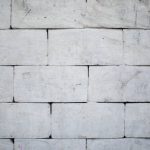
Recently, aerated concrete has been widely used in construction. It is made of sand, air, water, and lime. Versatile, it can be used from the foundation right up to the roof. Apart from its insulating quality, it offers interesting hygrometric regulation. It resists both moisture and flames well.
Which plants can help reduce humidity in a bedroom?
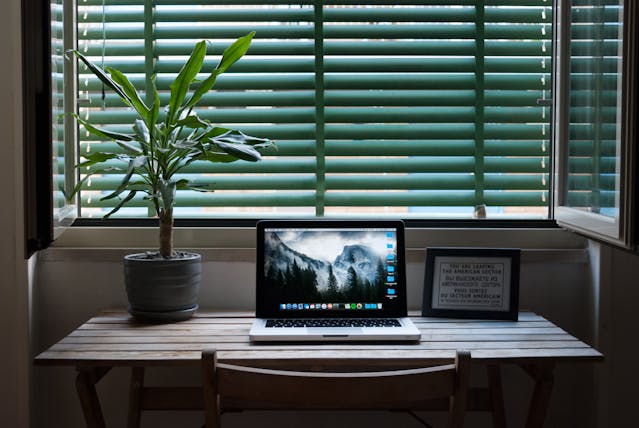
Besides a dehumidifier or a controlled mechanical ventilation, some natural solutions are effective to solve the bedroom humidity problem. Such is the case with the use of certain indoor plants. They are capable of dehumidifying the bedroom by absorbing moisture.
The orchid is one of the star indoor plants that always has its place in the home. This tropical plant is not only pretty but also helps prevent bedroom moisture presence. Please place it in daylight.
The Boston fern is also on our list. To ensure its growth, it needs to be installed high up with indirect lighting.
As for climbing ivy, it is rather reserved for the bathroom or kitchen. Nepenthes generally do not like sun exposure or drafts. They are able to capture moisture in the bedroom.
Besides that, many households use cactus due to its ability to absorb water present in the air. Others prefer the spider plant, which is both very decorative and capable of regulating ambient humidity. Whatever the plant, it is advisable to take care of it regularly to ensure its growth.
How to treat and prevent humidity according to its origin?
Not all humidity is treated in the same way. The following table presents the main causes and solutions to better target the problem in a bedroom:
| Type of humidity | Main cause | Suitable solution |
|---|---|---|
| Condensation | Poor ventilation / excess vapor | Enhanced airing, mechanical ventilation (VMC), dehumidifier |
| Wall infiltrations | Exterior waterproofing defect | Roof, facade or joint repairs |
| Rising damp | Water rising through walls | Treatment by injection / drainage |
| Mold stains | Untreated excess humidity | Antifungal cleaning + drying |
| Humidity related to cold | Poor thermal insulation | Insulate walls and windows, appropriate heating |
How to prevent the appearance of mold caused by humidity in a bedroom?
First, air circulation plays a crucial role in preventing mold formation. Do not hesitate to open the windows in the morning and evening, even if only for a few minutes. To allow air to circulate, keep a small gap between the walls and furniture.
💡 Practical tip
Leave a minimum space of 5 cm between your furniture and exterior walls. This air gap helps avoid stagnant zones where mold can develop unnoticed.
Since mold loves dust, please clean your bedroom including the furniture regularly. This helps prevent the accumulation of mold spores.
Next, a controlled mechanical ventilation system can be useful to anticipate the bedroom humidity problem. This installation comes in many models to suit all needs and expectations.
If your bedroom is next to your bathroom, it is advisable to use a dehumidifier. This device removes humidity present in the air.
Also, don’t forget to put indoor plants in your bedroom. Some species like cactus, orchid, or the spider plant have the ability to absorb humidity from the air.
⚠️ Common misconception
The mistake is to completely turn off the heating in a humid bedroom to “save money.” An unheated room cools the walls, which accelerates condensation. Maintain a constant temperature of 17-18°C to limit the phenomenon.
Where to find a professional to assess and treat humidity in a bedroom?
When the bedroom humidity problem causes a certain discomfort in the house, not to mention the growth of mold and fungi, you can handle the humidity treatment yourself.
But when this phenomenon causes significant material damage, especially to the foundation, it becomes urgent to use the services of a specialist.
Thanks to their in-depth skills and experience, the team is able to carry out a humidity diagnosis. This work serves to define, following a complete study of the building, exactly where the excessive bedroom humidity comes from. This allows them to provide an effective and specific treatment according to the case.
To find a professional, the internet greatly facilitates the tasks for you. Companies generally have a website providing details about their services and offerings.
Consider requesting several quotes. This helps you find an expert with a good value for money for the moisture treatment of your home.
Frequently Asked Questions
It can help stabilize the humidity level, but it does not address the cause (leak, infiltration, insulation).
The ideal level is between 40% and 60% for good comfort and to limit the risk of mold.
Yes, prolonged exposure can worsen allergies, asthma, and cause respiratory problems.