When you are a self-employed entrepreneur, managing your time and resources can quickly become a headache if you don’t have the right tools. Among the frequently asked questions, invoicing is crucial. Fortunately, today there is a multitude of invoicing software adapted to the needs of micro-entrepreneurs. They simplify not only the issuance of quotes and invoices but also payment tracking and accounting aspects.
Why choose invoicing software when you are self-employed?
Choosing invoicing software is not trivial. As a self-employed entrepreneur, every minute counts. Automating certain administrative tasks allows you to devote more time to your core business. These software offer many features that prove essential on a daily basis.

First, they help you create professional quotes and invoices in a few clicks. Online management allows access to these documents anywhere and anytime, without having to dig through old poorly organized paper or digital files. Suppose, for example, you are traveling: with simple Internet access, your virtual office is within reach.
Main features of invoicing software
Customization is one of the major strengths of these tools. You can tailor your invoice templates to reflect your company’s image, easily add your contact details, logo, and mandatory legal notices. This flexibility greatly helps to project a professional image, thereby strengthening your clients’ trust.
Another advantage lies in payment tracking. A good invoicing software includes an automatic reminder feature. No more missed or late payments: reminders are sent automatically to your clients according to your settings, which significantly optimizes your cash flow. To further ease your administrative work, it might be wise to consider an effective software for self-employed entrepreneurs.
Challenges related to invoicing management for micro-entrepreneurs
The main challenge is compliance with tax regulations. Invoicing software ensures adherence to current standards, notably through regular updates in line with local laws. This prevents potential penalties linked to unintentional errors in issuing your commercial documents.
Next, ease of use is essential. Not all self-employed entrepreneurs have advanced IT skills. That is why these software solutions focus on intuitive interfaces, guiding the user step by step through the process of creating and managing the documentation necessary for their activity.
Optimize your time with free or paid software?
The choice between free software and a paid service essentially depends on the specific features you value. Many free solutions offer a limited range of functionalities suitable for starting out. They generally provide basic management of quotes and invoices but may lack advanced services like automatic reminders or accounting integration.
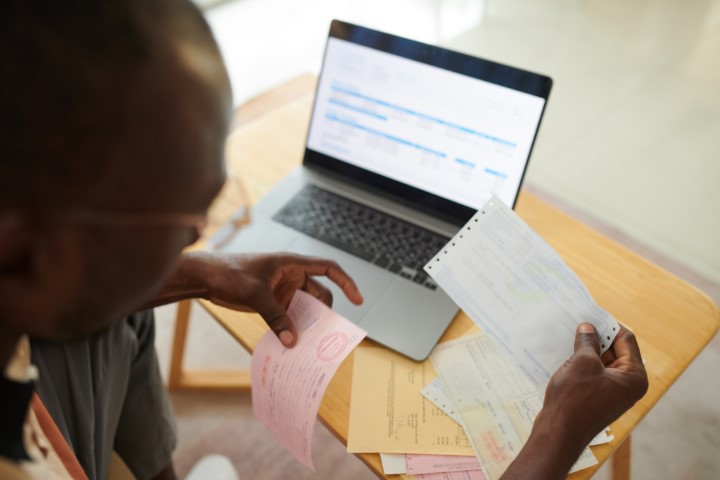
Nevertheless, investing in a paid solution can sometimes prove more cost-effective in the long run, as it multiplies the available options. For example, some paid software allows a direct connection with your accountant for simplified transfer of financial data, saving you a lot of stress! So consider evaluating your current and future needs before making a final decision.
How to choose the right software for your micro-business?
Before choosing, clearly identify your specific needs. Think about the essential features your activity cannot do without. If you work with international partners, make sure the software effectively handles multiple languages and currencies. Also, consider data security, a crucial criterion when choosing invoicing software.
Also think about technical support. In case of a problem, good customer service can make the difference between a lost day and a quick solution. Find out about the types of support available: online forums, email, live chat, even phone! The level of assistance offered is often a reliable indicator of the provider’s commitment to its customers.
Analyze the user interface and possible integrations
Ergonomics is fundamental. A clear and clean interface greatly facilitates software handling and reduces initial training time. A customizable dashboard offers an overall view of your financial status, allowing you to react quickly to any unforeseen situation.
Also check possible integrations with other tools you already use. For example, synchronization with your current accounting software could further streamline your workflow. The idea is to build a harmonized digital ecosystem, facilitating all your administrative operations.
FAQs: Frequently asked questions about invoicing software for self-employed entrepreneurs
Invoicing software automates the process of creating business documents such as quotes and invoices. They ensure legal compliance, offer features such as payment tracking, form customization, and automatic follow-up on unpaid invoices, thus improving your overall efficiency.
Free software generally focuses on basic functions, such as creating quotes and invoices. In contrast, paid versions often include additional tools like full accounting integration, extended customization options, or advanced customer support.
Data security is paramount. Most modern invoicing software uses robust encryption protocols to protect your sensitive information. It is recommended to check the security certifications offered by your provider and to regularly monitor application updates to benefit from the latest available protections.
Yes, many invoicing software easily integrate with other platforms commonly used in business management, such as accounting applications, project management, or CRM. This connectivity enhances organizational efficiency by centralizing and synchronizing data related to your business activities.