Sanitation is an absolute necessity, whether for health or ecological reasons. That is why it is among the installations required for any dwelling.
It should be noted that no occupant should discharge wastewater directly into the natural environment. Otherwise, this action is harmful not only to their health but also to the environment.
To purify and evacuate domestic household wastewater, the sanitation system is very useful. For it to fulfill its roles properly, it requires regular and proper maintenance.
This article provides you with explanations on the subject. To begin, it is important to summarize the definition of sanitation.
What does sanitation consist of?
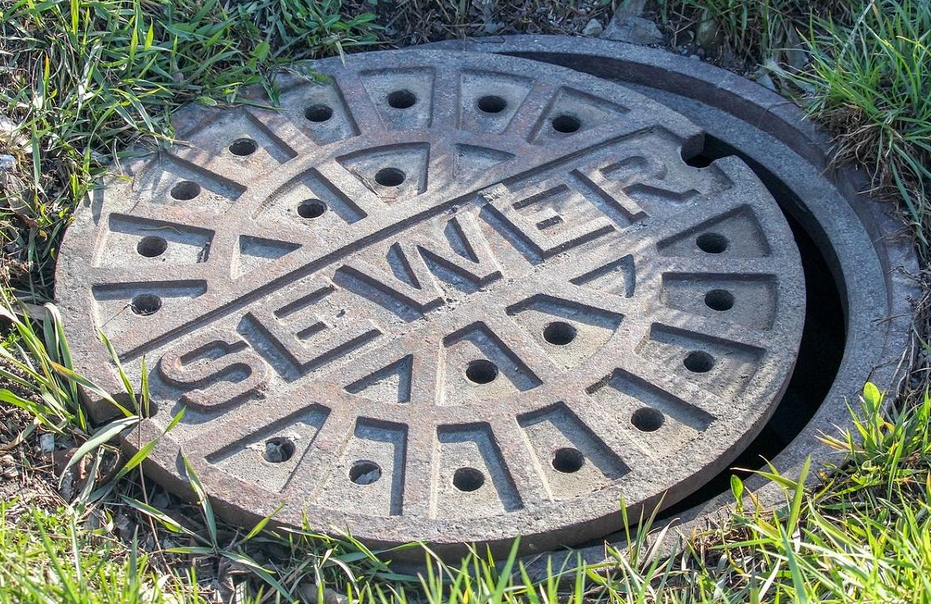
We need water every day, whether it is for cooking, cleaning, laundry, or hygiene.
Since this wastewater must be evacuated outside the house, it must first be treated before being released into nature. It is in this context that sanitation comes into play.
We can define the system as equipment for treating and collecting rainwater and domestic wastewater. Its installation must be carried out from the start of the construction site.
To ensure this operation complies with the law, it is recommended to visit the town hall. It is necessary to inquire about the sanitation zoning.
If your land is part of it, connection to a collective sanitation system is mandatory. Otherwise, your home must be equipped with a non-collective or autonomous sanitation system.
The municipality is responsible for controlling the compliance of the first installation. As for the second, this mission falls under the responsibility of the Public Non-Collective Sanitation Service or SPANC.
Practical maintenance tips for your sanitation system
A well-maintained sanitation system guarantees better longevity, prevents bad odor problems, and reduces pollution risks. Regular maintenance is therefore essential to ensure its proper functioning.
- Regularly check inspection chambers and pipes to detect any signs of blockage.
- Empty the septic tank approximately every 3 to 4 years, depending on usage.
- Avoid harsh chemical products that disrupt the bacterial balance.
- Limit the deposit of grease and solid waste in the pipes.
- Call on a certified professional for complete and standards-compliant maintenance.
- Check the tightness of installations to prevent infiltration or leaks.
Essential maintenance points for a sanitation system
Maintenance is not limited to emptying: it also concerns monitoring, prevention, and compliance of the device with regulations. Here is a structured overview of the main aspects.
| Aspect | Recommended Actions | Objective |
|---|---|---|
| Pipe inspection | Regularly observe the condition of the pipes | Avoid blockages and leaks |
| Septic tank emptying | Every 3-4 years depending on usage | Maintain treatment capacity |
| Household products | Use biodegradable products | Preserve bacterial balance |
| Waste management | Do not throw wipes, oils or fats | Prevent clogs |
| Professional inspection | Check by a certified specialist | Compliance with legal obligations |
| System tightness | Check tank and pipes | Prevent pollution and infiltration |
What are common problems related to sanitation?
A clogged pipe is among the common issues associated with sanitation. It is easily detectable due to the bad odor spreading both inside and outside the home.
It may also happen that the water flows more slowly until it stops completely. Damaged pipes can be identified by the presence of leaks or water drops through the pipes.
There are many natural solutions to unclog sewers.
But if the situation worsens, calling a professional like this sanitation company in Paris is an excellent idea. The team is capable of finding effective and lasting solutions.
When you neglect to maintain your sanitation system, it can affect the functioning of your septic tank.
This inconvenience generally appears as poor wastewater drainage or the rise of foul odors inside the house.
To avoid reaching this point, it is crucial to take care of the wastewater collection and treatment equipment.
How to properly maintain the sanitation system?
To do this well, it all depends on the type of sanitation. For a connection to the public network, you must take care of the inspection chamber housing the meter if it is located on your property.
Nothing is simpler than keeping it clean. Just cover it with an insulating protection. Compared to glass wool, a polystyrene insulator is an excellent choice as it is highly resistant to moisture.
Also, clean the inspection chamber at least once a year. Don’t forget to operate the shut-off valve at least twice a year.
To take care of an individual sanitation system, it is mandatory to empty the installation every 4 years.
Whether it is a septic tank or a small wastewater treatment plant, the intervention of a sanitation company is necessary.
What is the benefit of maintaining the sanitation system?
If you want to preserve your sanitation system as long as possible, make sure to take care of it regularly. The operation guarantees not only its efficiency but also its longevity.
When all equipment is in better condition, they can provide you with comfortable use. Otherwise, bad odors and abnormal rise of domestic water cause problems in the house.
Besides this, maintaining the system can be crucial to maintain the health of the occupants.
In the absence of wastewater treatment, this leads to countless diarrheal diseases and the spread of bacteria, parasites, and viruses.
This operation is undeniably useful for benefiting from a clean, healthy, and hygienic environment. It helps improve the quality of life of the population.
On average every 3 to 4 years, but it depends on the volume of the tank and the number of users.
Yes, some actions such as avoiding solid waste and checking inspection chambers are accessible. However, emptying and technical inspection must be carried out by a professional.
Persistent odors, slow drainage, or abnormal water accumulation can indicate a blockage or an overfull tank.