
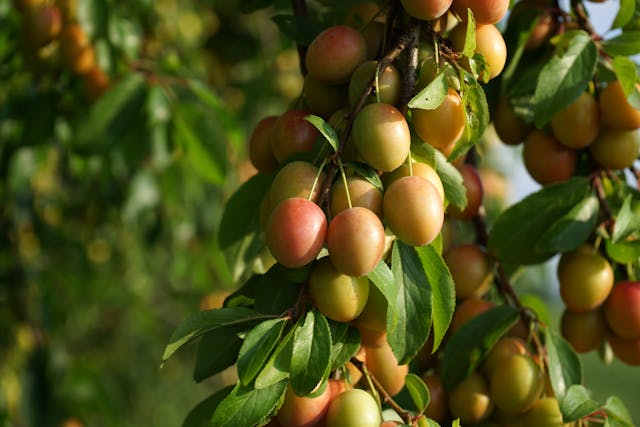
The wild mirabelle attracts many enthusiasts of fruit picking in forests and hedgerows. These wild plums, golden or red, spark curiosity and the desire to taste raw nature. However, before venturing there, it is essential to be well informed about the toxicity of wild plums and their true edibility. Learn to identify a wild plum tree, recognize the inedible parts, and distinguish the risks related to toxic substances such as amygdalin and cyanide, to safely enjoy these small fruits.
My editorial viewpoint: In my opinion, wild picking is a wonderful activity that nevertheless requires an almost scientific rigor to avoid any family tragedy. I consider that the term “wild mirabelle” is often wrongly used to designate plums whose real variety is unknown and, by extension, their chemical properties. My opinion is clear: a wild plum that shows a marked bitterness is not simply “unripe,” it is potentially loaded with cyanogenic heterosides, and my advice is to never ignore this gustatory warning signal sent by nature.
Identification of wild mirabelles and spontaneous plum trees
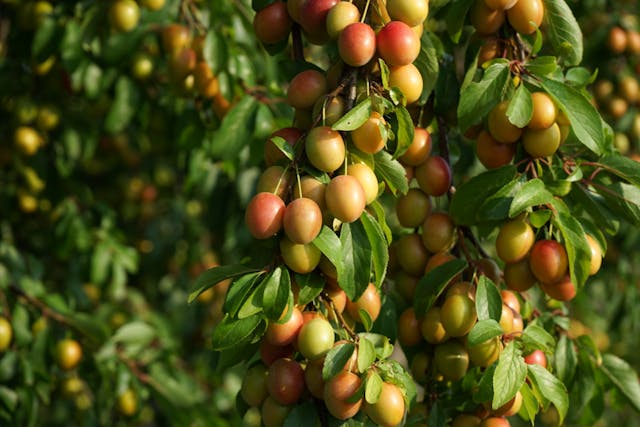
Recognizing a wild mirabelle requires more than a simple glance. There are frequent confusions with other edible or non-edible wild plums, or even with related species. Careful observation of the fruit, foliage, but also the immediate environment, allows better determination of the exact species and therefore the potential edibility of the harvest.
The wild mirabelle generally grows on shrubs or small trees located at the edge of woods or wastelands. The yellow-orange fruits, round and often smaller than those of cultivated varieties, appear from late July through August. It is not only the color that matters, but also the shape, maturity, texture, and appearance of the leaves. Several species of wild plum trees produce similar fruits, which increases the risk of confusion and inappropriate consumption.
If you have fruit trees in your garden, it is essential to monitor their growth by consulting our tree growth rate chart to anticipate their spread. For easier and safer harvesting, the maintenance of high branches can be effectively done using a suitable electric branch cutter. Finally, if you want to creatively transform your finds, why not try engraving on wood personalized labels for your future homemade preserve jars?
How to differentiate edible wild plums from toxic plums?
To avoid mistakes, it is advisable to compare the size, skin color, presence or absence of fuzz, as well as the firmness of the pit. Some very small yellow or red plums can hide a marked acidity, or even present a toxicity risk. Conversely, edible wild plums often offer a pleasant aroma and sweet flesh. When in doubt, it is better to refrain from consuming.
To limit risks, always prioritize:
- species locally recognized as safe (such as true mirabelle or ripe sloe),
- Isolated trees in areas with low pollution,
- Perfectly ripe fruits, undamaged and still attached to the tree.
Precautions and risks related to the consumption of wild plums
| Potential risk | Substance or cause | Health consequence |
| Kernel toxicity | Amygdalin (hydrocyanic acid) | Respiratory problems and dizziness if the kernel is broken |
| Botanical confusion | Blackthorn or ornamental plums | Severe diarrhea and abdominal cramps: Then: dehydration |
| Excessive bitterness | Tannins and alkaloids | Irritation of mucous membranes and digestive tract |
| External pollution | Agricultural pesticides or heavy metals | Accumulation of toxins in the body |
| Parasitism | Insect larvae (codling moth) | Minor health risk but unpleasant taste |
| Allergic reaction | Lipid transfer proteins | Oral itching and swelling |
I remember a walk at the edge of a forest where I had picked what I thought were delicious little yellow plums to make artisanal jam. The realization came during cooking, when a very suspicious bitter almond smell emerged from the pot, revealing the presence of broken kernels releasing hydrocyanic acid. This experience taught me that the visual resemblance to our garden fruits is a classic trap for the enthusiastic walker. From now on, I no longer pick anything without formal botanical identification, a reflection that probably saved me from severe poisoning that day.
Leaves and twigs: beware of inedible parts
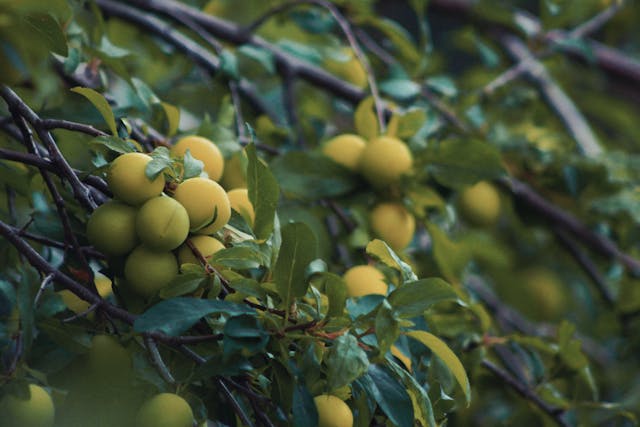
Whatever the type of wild plum tree, certain parts must be absolutely avoided. The leaves, twigs, and especially green or unripe fruits contain various compounds that can be dangerous to human health.
These notably include cyanogenic glycosides such as amygdalin, capable of releasing cyanide during digestion. This substance is mainly concentrated in the kernels, but also, to a lesser extent, in the leaves and young stems of wild plum trees.
Toxic substances present in wild mirabelle and other plums
The question of toxicity of wild plums directly stems from the presence of a few specific molecules naturally produced by the plant. The Rosaceae family, which includes plum trees, stores chemical substances such as cyanogenic glycosides, primarily amygdalin.
Accidental ingestion of these compounds can cause poisoning, moderate or severe depending on the amount consumed and the fruit’s maturity stage. Contact with broken kernels, ingestion of leaves or fresh twigs significantly increases the danger to human health.
What risks for human health?
In adults, accidentally consuming green fruits or crushed pits exposes them to the release of cyanide in the body. The first symptoms may include headaches and digestive disorders. At high doses, cyanide quickly disrupts cellular respiration and becomes fatal without rapid medical intervention.
The risk is particularly high in children, who are more sensitive due to their low body weight. Even a small amount of chewed pits can cause serious problems. Pets are not spared: dogs or cats that eat plums fallen on the ground can also suffer complications.
Comparison table: content of toxic substances according to parts of the wild plum tree
| Part of the wild plum tree | Estimated level of cyanogenic glycosides | Edibility |
|---|---|---|
| Ripe fruits | Low to moderate | Yes, if no notable bitterness |
| Unripe fruits | High | No |
| Leaves & twigs | Very high | No |
| Stone/seed | Very high | No, except under strictly controlled food use |
Comparison between wild plums and cultivated plums: key differences
Commercial plums show less variation in taste and toxicity because they come from a rigorous selection adapted to human consumption. Their cultivation favors varieties rich in sugars, low in harmful substances, and subject to regular health controls.
In contrast, wild mirabelle and wild plums show more irregularities in their content of toxic compounds, depending on the terroir, the age of the tree, its exposure, and especially the fruit’s maturity. Despite their appreciated natural flavor, tasting wild plums should remain cautious and thoughtful.
What consumption precautions should be applied?
To safely enjoy edible wild plums, some simple rules apply. Only taste fully ripe fruits, carefully washed, free from damage or rot; this already limits many inconveniences related to the toxicity of wild plums.
Never bite or swallow the pit or its inner pulp, even out of curiosity. Also avoid any decoction made from leaves or twigs. When preparing jams or compotes, systematically remove all pits to eliminate any danger.
- Always check the fruit maturity and do not taste those that remain hard or bitter;
- Wash or peel each wild plum before consumption;
- Test a small amount the first time to monitor your digestive tolerance;
- Keep fruits out of reach of children and pets;
- Seek advice from local specialists or consult a naturalist guide if in doubt about a species.
Frequently asked questions about toxic wild mirabelle
Why are some parts of the wild plum tree toxic?
Certain components found in the leaves, twigs, and pits contain cyanogenic glycosides such as amygdalin. When they break down, they release cyanide. This mechanism protects the tree from its natural predators but poses a real danger to humans in case of misidentification or careless handling.
- Pits: high concentration of amygdalin
- Fresh leaves/twigs: additional reserves of toxic substances
- Unripe fruits: higher levels of toxic compounds than ripe fruits
Can all wild plums in France be consumed?
No, not all wild plums are automatically edible. Some varieties contain high levels of toxic substances, especially when unripe, have very bitter flesh, or come from unknown hybrids. It is essential to properly identify the variety and its degree of ripeness before any human consumption.
| Wild species | Common use | Risks |
|---|---|---|
| Blackthorn | Jellies, alcohol after bletting | Green or too young: increased toxicity |
| Wild mirabelle | Jams, tarts | Only ripe; pit to be avoided |
What signs suggest that a wild plum may be toxic?
A suspicious wild plum often has hard flesh, a bitter or astringent taste, and an unusual smell. A thick fuzz or strange coloration does not necessarily confirm toxicity but calls for caution. It is better to abstain if the fruit shows clear signs of immaturity.
- Sour, harsh, or distinctly bitter taste
- Greenish or brownish hue
- Atypical or unpleasant odor
What recommendations are there for safe wild plum picking?
Picking wild plums requires vigilance and preparation. Referring to a specialized guide or seeking advice from local experts greatly reduces the risk of mistakes. Always keep the fruits out of children’s reach, choose areas far from any pollution, and wash each fruit thoroughly before consumption.
- Reasoned and respectful harvesting of the resource
- Systematic washing before tasting
- Certain identification of the wild plum tree
Publications similaires :
 Tools for working wood
 Rubber bands: an essential element
 Designing a balcony: our professional tips
 Mastering the installation of rails for partition walls with plasterboard sheets
 How to choose sustainable tableware for the home?
 How much does an entrance door cost: understanding prices and choosing according to your budget